
Dr. Anil Garg
About Me
Dr. Anil Garg
MBBS
General Physician
10 Years Experience
Biography
My Clinic
OPD Hours
| Monday | Morning | 10:00 AM | - | 02:00 PM |
| Evening | 06:00 PM | - | 09:00 PM | |
| Tuesday | Morning | 10:00 AM | - | 02:00 PM |
| Evening | 06:00 PM | - | 09:00 PM | |
| Wednesday | Morning | 10:00 AM | - | 02:00 PM |
| Evening | 06:00 PM | - | 09:00 PM | |
| Thursday | Morning | 10:00 AM | - | 02:00 PM |
| Evening | 06:00 PM | - | 09:00 PM | |
| Friday | Morning | 10:00 AM | - | 02:00 PM |
| Evening | 06:00 PM | - | 09:00 PM | |
| Saturday | Morning | 10:00 AM | - | 02:00 PM |
| Evening | 06:00 PM | - | 09:00 PM | |
| Sunday | Morning | 10:00 AM | - | 02:00 PM |
| Evening | 06:00 PM | - | 09:00 PM |
Treatments
Specialised care and treatments offered
GASTROESOPHAGEAL REFLUX DISEASE (GERD) MANAGEMENT
Gastroesophageal reflux disease (GERD) occurs when stomach acid frequently flows back into the esophagus. Managing GERD effectively requires understanding its triggers and adopting lifestyle changes alongside potential medication interventions.
- Sypmtoms predominantly include persistent heartburn, regurgitation of food or sour liquid; additional signs could involve difficulty swallowing or chronic coughs associated with reflux episodes.
PREVENTIVE VACCINATIONS

Vaccinations are critical in preventing various infectious diseases. Staying up-to-date with recommended vaccines protects not only individual health but also community wellbeing through herd immunity.
- Commonly recommended vaccines include those for influenza, hepatitis B, tetanus-diphtheria-pertussis (Tdap), among others depending on age and risk factors.
- The vaccination process begins with evaluating patient history to determine necessary immunizations based on existing guidelines from healthcare authorities.
- A side effect profile often includes mild reactions like soreness at the injection site but serious complications are rare compared to the benefits provided by immunity against severe diseases.
Catching up on missed vaccinations is especially important for populations with lower immunity levels or increased exposure risks.
ANNUAL HEALTH CHECK-UP
An annual health check-up is an important preventive measure aimed at identifying potential health issues before they escalate into serious conditions. It plays a vital role in promoting overall well-being and longevity.
- Typical components include a physical examination, discussions about medical history, lifestyle habits assessments, and necessary laboratory tests like cholesterol levels or liver function tests.
- Early signs of conditions such as diabetes or hypertension may be detected through these routine evaluations.
- This proactive approach enables clinicians to provide personalized health advice based on individual risk factors identified during the check-up.
Regular check-ups are essential in maintaining good health throughout one’s lifetime by ensuring any emerging issues are addressed promptly.
ASTHMA MANAGEMENT
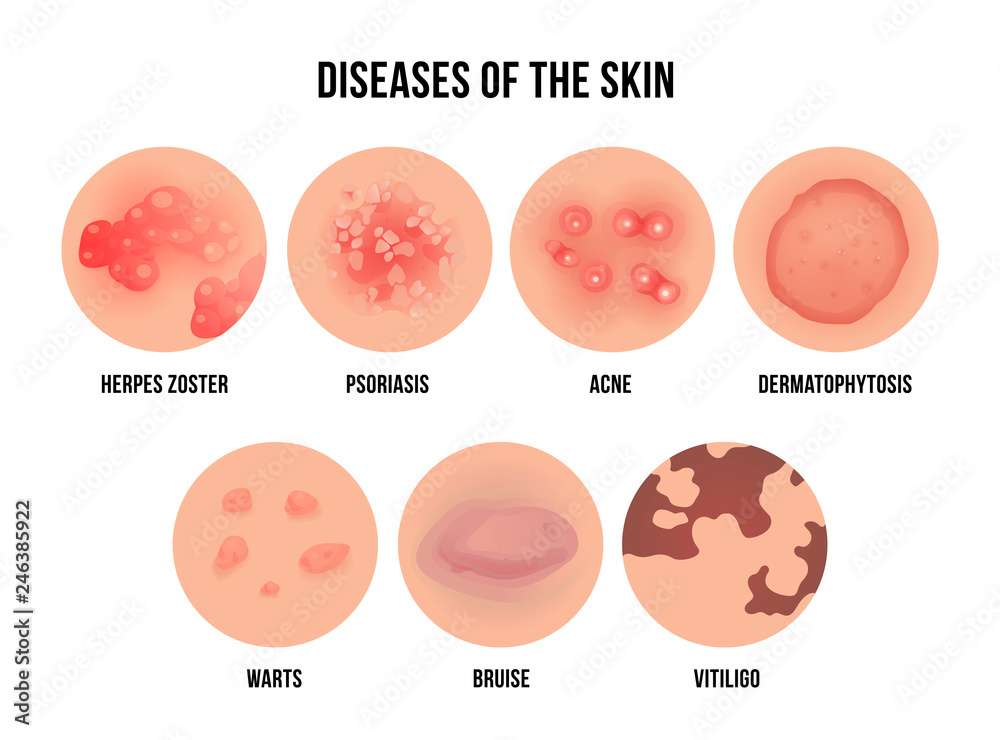
Asthma is a respiratory condition that causes the airways to become inflamed and narrowed, leading to difficulty breathing. Effective asthma management can help patients maintain a good quality of life.
- Main symptoms include wheezing, coughing (especially at night), chest tightness, and shortness of breath during physical activities.
- A comprehensive diagnosis involves pulmonary function tests and evaluating medical history to identify triggers such as allergens or pollutants.
- Treatment plans often incorporate inhalers—both rescue inhalers for immediate relief and long-term control medications—to manage symptoms effectively.
- Education on avoiding asthma triggers plays a crucial role in managing this chronic disease successfully.
With appropriate management strategies in place, most patients can control their asthma effectively and lead active lives.
DIABETES SCREENING

Diabetes screening is essential for early detection of this chronic condition, which can lead to serious long-term health issues including cardiovascular disease and kidney dysfunction. Early diagnosis allows for timely intervention.
- The primary symptoms may include increased thirst, frequent urination, extreme fatigue, and blurred vision.
- Diagnosis often involves fasting blood sugar tests or A1C tests that measure average blood glucose levels over several months.
- If diabetes is confirmed, management may include dietary changes, regular physical activity, and potentially insulin therapy or oral medications.
- Continuous monitoring of blood glucose levels is vital for maintaining control over the condition.
Regular screenings can be a pivotal part of preventive healthcare for at-risk populations.
HYPERTENSION MANAGEMENT
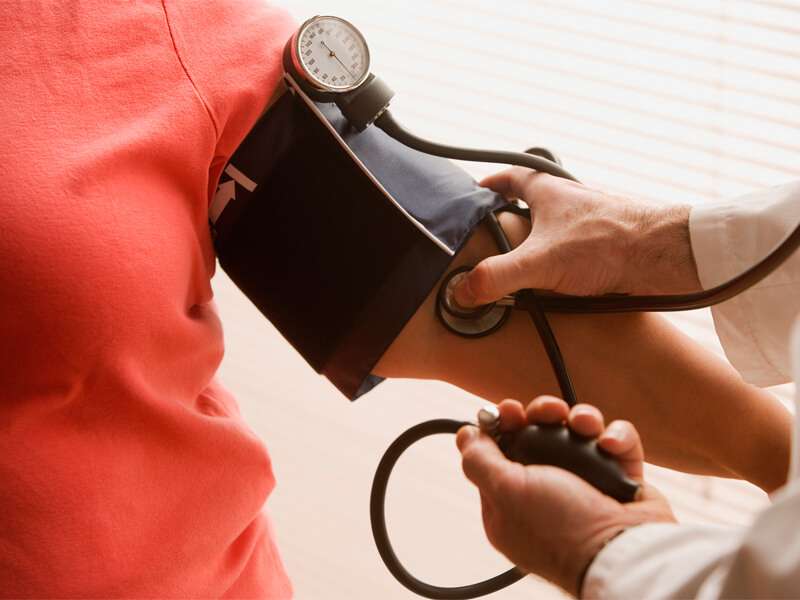
Hypertension, commonly known as high blood pressure, is a prevalent condition that can lead to severe health complications if left untreated. Effective management is crucial to prevent issues such as heart disease or stroke.
- Common symptoms include headaches, shortness of breath, and nosebleeds, although many individuals may experience no symptoms at all.
- Diagnosis typically involves measuring blood pressure readings over multiple visits and assessing risk factors such as age and lifestyle.
- Treatment options consist of lifestyle modifications like diet and exercise, alongside medications such as diuretics or ACE inhibitors.
- Regular monitoring of blood pressure will help in managing the condition effectively and adjusting treatment as necessary.
- Patients should collaborate closely with their healthcare provider to ensure optimal control of their blood pressure levels.
Taking proactive steps can significantly improve overall health outcomes for those with hypertension.