
Dr. Anand Jain
About Me
Dr. Anand Jain
MS
Orthopaedic Surgeons
10 Years Experience
Biography
My Clinic
OPD Hours
| Monday | Morning | 10:00 AM | - | 02:00 PM |
| Evening | 06:00 PM | - | 09:00 PM | |
| Tuesday | Morning | 10:00 AM | - | 02:00 PM |
| Evening | 06:00 PM | - | 09:00 PM | |
| Wednesday | Morning | 10:00 AM | - | 02:00 PM |
| Evening | 06:00 PM | - | 09:00 PM | |
| Thursday | Morning | 10:00 AM | - | 02:00 PM |
| Evening | 06:00 PM | - | 09:00 PM | |
| Friday | Morning | 10:00 AM | - | 02:00 PM |
| Evening | 06:00 PM | - | 09:00 PM | |
| Saturday | Morning | 10:00 AM | - | 02:00 PM |
| Evening | 06:00 PM | - | 09:00 PM | |
| Sunday | Morning | 10:00 AM | - | 02:00 PM |
| Evening | 06:00 PM | - | 09:00 PM |
Treatments
Specialised care and treatments offered
SPINAL DISC HERNIATION
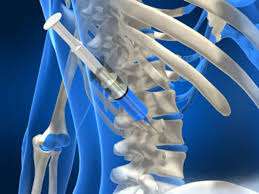
A spinal disc herniation involves an abnormal bulging of an intervertebral disc resulting from wear-and-tear or sudden trauma. This condition can lead to significant back pain radiating into limbs depending on affected nerve roots’ compression levels
.- Sypmtoms :The classic signs encompass localized backache along with radiating pains ; numbness/tingling sensations possibly deterring everyday tasks dictated by back position/movements too..
PLANTAR FASCIITIS

This painful condition occurs when the band of tissue known as fascia that runs across the bottom of your foot becomes inflamed. Plantar fasciitis is often prevalent among runners and those who stand for extended periods on hard surfaces.
- Symptoms : Characterized by stabbing heel pain during first steps after waking up & after long periods of sitting .
- Causes : Usually stemmed from excessive strain placed on feet due primarily overuse , obesity & improper footwear choices .
- Diagnosis : A healthcare provider will typically conduct physical examinations alongside considering patient history for assessing risk factors involved .
- Treatment Options : Initial treatments include rest , ice application , stretching exercises ; chronic cases may require orthotics , steroid injections , or shockwave therapy.
While plantar fasciitis can be frustratingly persistent , adherence towards suggested therapies typically leads patients toward improved outcomes restoring regular daily activities eventually .
HIP FRACTURES

A hip fracture is a serious injury commonly affecting older adults. These fractures usually occur from falls but can happen even during normal activities due to weakened bone density (osteoporosis).
- Symptoms: Severe pain in the hip or groin area along with inability to put weight on the leg are typical signs of a fracture.
- Causes: Risk factors include age-related bone loss (osteoporosis), previous fractures, balance disorders etc., increasing fall risk substantially among seniors.
- Diagnosis: Diagnosis often requires an X-ray followed by CT scans for detailed imaging to assess fracture severity .
- Treatment Options: Surgical repair options can range from internal fixation techniques to partial hip replacements depending on fracture type .
- What to Expect: Rehabilitation is crucial post-surgery; patients usually experience significant recovery following targeted physical therapy programs aimed at restoring mobility .
If you suspect a hip fracture , seek immediate medical attention to minimize complications and facilitate optimal treatment plans .
CARPAL TUNNEL SYNDROME

This condition occurs when the median nerve becomes compressed as it travels through the wrist. Carpal tunnel syndrome often manifests due to repeated wrist movements and can significantly impact daily functions.
- Symptoms: Patients typically experience numbness, tingling sensations in fingers particularly at night, and weakness in grip strength.
- Causes: Common causes include repetitive hand movements, certain health conditions like arthritis and diabetes which may increase tissue swelling.
- Diagnosis: Diagnosis usually includes a clinical assessment along with nerve conduction studies to evaluate nerve function accurately.
- Treatment Options: Initial treatments often focus on wrist splinting and lifestyle changes; if symptoms persist, corticosteroid injections or surgery may be recommended for decompression.
If you are facing discomfort in your hands affecting your quality of life, it’s advisable to consider a consultation for appropriate interventions.
ROTATOR CUFF TEAR

A rotator cuff tear occurs when one or more of the muscles or tendons that stabilize the shoulder become damaged. This injury is prevalent among athletes but can also occur in individuals due to natural aging or repetitive overhead movements.
- Symptoms: Common signs include shoulder pain at rest or during specific activities and weakness when lifting your arm.
- Causes: Often results from acute injuries such as falls or chronic degeneration associated with aging or overuse.
- Diagnosis: A thorough examination along with imaging studies like ultrasound or MRI helps confirm the extent of the tear.
- Treatment Options: Initial management may involve physical therapy and anti-inflammatory medications; severe cases may require surgical repair.
- Recovery Expectations: With proper treatment, most individuals will regain functional use of their shoulder over time.
If experiencing shoulder issues that limit your daily activities, it's essential to seek professional advice for proper management strategies.
KNEE OSTEOARTHRITIS

Knee osteoarthritis is a common degenerative joint condition that affects millions worldwide. It arises from the wear and tear of cartilage in the knee over time, leading to pain and reduced mobility.
- Symptoms: Includes stiffness, swelling, and pain during movement, particularly after rest.
- Causes: Factors include age, previous injuries, obesity, and genetic predisposition.
- Diagnosis: Typically involves a physical examination, imaging tests like X-rays or MRIs to assess damage.
- Treatment Options: Management may involve physical therapy, lifestyle modifications, medications for pain relief, or in severe cases, surgical intervention such as knee replacement.
- What to Expect: With appropriate management, many individuals experience significant improvement in function and quality of life.
If you suspect you have knee osteoarthritis, consult with an orthopedic specialist for a comprehensive evaluation and tailored treatment plan.