
Dr. Amit Mittal (Focus health care)
About Me
Dr. Amit Mittal (Focus health care)
MS
General Surgeons
10 Years Experience
Biography
My Clinic
OPD Hours
| Monday | Morning | 10:00 AM | - | 02:00 PM |
| Evening | 06:00 PM | - | 09:00 PM | |
| Tuesday | Morning | 10:00 AM | - | 02:00 PM |
| Evening | 06:00 PM | - | 09:00 PM | |
| Wednesday | Morning | 10:00 AM | - | 02:00 PM |
| Evening | 06:00 PM | - | 09:00 PM | |
| Thursday | Morning | 10:00 AM | - | 02:00 PM |
| Evening | 06:00 PM | - | 09:00 PM | |
| Friday | Morning | 10:00 AM | - | 02:00 PM |
| Evening | 06:00 PM | - | 09:00 PM | |
| Saturday | Morning | 10:00 AM | - | 02:00 PM |
| Evening | 06:00 PM | - | 09:00 PM | |
| Sunday | Morning | 10:00 AM | - | 02:00 PM |
| Evening | 06:00 PM | - | 09:00 PM |
Treatments
Specialised care and treatments offered
DIVERTICULITIS

This condition arises when diverticula (small pouches) form within the intestinal wall become inflamed or infected. Diverticulitis predominantly affects older adults but understanding it helps all age groups.
COLON CANCER SCREENING
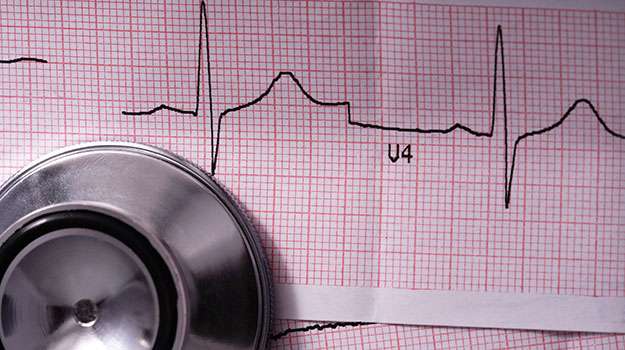
Colon cancer screening plays a crucial role in detecting cancer at an early stage when treatment is most effective. Regular screening is recommended for individuals over 45 years old or those with risk factors for colorectal cancer.
- Symptoms may not be apparent until later stages but can include changes in bowel habits, blood in stool, unexplained weight loss, or abdominal discomfort.
- Diverse methods exist for diagnosis including colonoscopy which allows direct visualization of abnormal growths for biopsy purposes.
- If detected early during screenings like colonoscopy or sigmoidoscopy, treatment options are more favorable and can significantly improve outcomes.
- The goal is prevention through timely intervention; lifestyle changes also contribute positively alongside medical treatments offered based on findings from screenings.
GALLBLADDER REMOVAL
The gallbladder stores bile produced by the liver, aiding in digestion. However, conditions like gallstones can lead to significant pain and complications necessitating removal of this organ through cholecystectomy.
- Typical symptoms include intense pain in the upper right abdomen, nausea after meals high in fat, and digestive disturbances.
- Healthcare providers diagnose this condition via ultrasound or CT scans to visualize stones obstructing bile flow.
- Surgical options include laparoscopic gallbladder removal which offers quicker recovery times than traditional surgery.
- Postoperative effects usually involve dietary adjustments but most patients resume normal activities relatively quickly.
This procedure effectively alleviates pain from gallstones and prevents further complications related to gallbladder disease.
HERNIA REPAIR
A hernia occurs when an organ pushes through an opening in the muscle or tissue that holds it in place. This condition can happen in various body parts, most commonly in the abdomen. Understanding this condition aids in early intervention and effective management.
- Common symptoms include a noticeable bulge, pain or discomfort especially during lifting or straining, and sometimes digestive issues.
- Diagnosis is usually made through a physical exam and imaging tests if necessary.
- Treatment typically involves surgery to return the organ to its proper place and repair the opening.
- Laparoscopic techniques may reduce recovery time compared to open surgery methods.
- Post-surgical care includes activity modifications to promote healing and prevent recurrence.
A timely approach is vital since untreated hernias can cause serious complications including incarceration or strangulation of organs.
APPENDICITIS
Appendicitis is a condition involving inflammation of the appendix, a small pouch connected to the large intestine. This common ailment can affect individuals of all ages, particularly younger patients. Early detection and treatment are crucial to prevent complications.
- Symptoms include severe abdominal pain, particularly on the right side, nausea, vomiting, and fever.
- The diagnosis typically involves a physical examination and imaging tests such as an ultrasound or CT scan.
- Treatment often requires surgical removal of the appendix (appendectomy), which can be performed laparoscopically for quicker recovery.
- In some cases, antibiotic therapy may be considered if surgery is delayed.
- Post-operative care is essential to monitor recovery and manage any potential complications.
If left untreated, appendicitis can lead to serious infections or rupture, underscoring the importance of timely medical attention.