
DR. Amit Bhatnagar
About Me
DR. Amit Bhatnagar
MS
Orthopaedic Surgeons
10 Years Experience
Biography
My Clinic
OPD Hours
| Monday | Morning | 10:00 AM | - | 02:00 PM |
| Evening | 06:00 PM | - | 09:00 PM | |
| Tuesday | Morning | 10:00 AM | - | 02:00 PM |
| Evening | 06:00 PM | - | 09:00 PM | |
| Wednesday | Morning | 10:00 AM | - | 02:00 PM |
| Evening | 06:00 PM | - | 09:00 PM | |
| Thursday | Morning | 10:00 AM | - | 02:00 PM |
| Evening | 06:00 PM | - | 09:00 PM | |
| Friday | Morning | 10:00 AM | - | 02:00 PM |
| Evening | 06:00 PM | - | 09:00 PM | |
| Saturday | Morning | 10:00 AM | - | 02:00 PM |
| Evening | 06:00 PM | - | 09:00 PM | |
| Sunday | Morning | 10:00 AM | - | 02:00 PM |
| Evening | 06:00 PM | - | 09:00 PM |
Treatments
Specialised care and treatments offered
ACHILLES TENDON RUPTURE
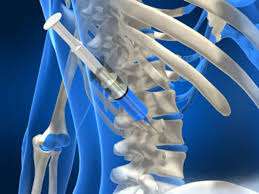
The Achilles tendon connects calf muscles to the heel bone. A rupture often results from sudden increases in activity levels or trauma during sports activities.
- Symptoms generally include sudden sharp pain at the back of the ankle accompanied by difficulty walking.
- Diagnosis relies primarily on clinical evaluation along with imaging modalities like ultrasound.
- Treatment starts conservatively with rest while more severe ruptures may warrant surgical intervention followed by rehabilitation programs focusing on restoring strength within time frames set out by your physician.
- It's paramount that patients adhere closely toward their rehabilitation schedules post-treatment ensuring effective return-to-activity capabilities!
Early recognition paired along effective therapeutic protocols empowers athletes preserving mobility throughout periods challenging around healing phases.
OSTEOARTHRITIS
This degenerative joint disease occurs when cartilage wears down over time, leading to pain, stiffness, and decreased mobility. While it is common as people age, younger individuals can also be affected due to prior injuries or overuse of joints.
- The main symptoms consist of joint tenderness during movement as well as swelling after extended usage.
- A definitive diagnosis usually involves a comprehensive review of patient history combined with physical assessments and imaging techniques like X-rays.
- Treatment options often start with lifestyle modifications including weight management followed by medications for pain relief; advanced cases might require surgical interventions such as joint replacement surgery when other treatments have failed to provide relief.
Pursuing effective management strategies early on can help maintain quality of life throughout progression of osteoarthritis!
ROTATOR CUFF INJURIES

The rotator cuff consists of muscles and tendons stabilizing the shoulder; injuries here can lead to pain and restricted movement. These injuries often result from repetitive overhead activities or acute trauma.
- Common symptoms include shoulder pain that worsens with activity, stiffness, and discomfort at night.
- A physical examination along with imaging tests like MRI helps confirm this issue's presence and extent of injury.
- Treatment may involve anti-inflammatory medications, physical therapy aimed at strengthening shoulder muscles, or surgery for severe cases where conservative methods fail to alleviate symptoms.
An effective treatment plan will address both immediate pain relief and long-term rehabilitation needs for optimal recovery outcomes.
CARPAL TUNNEL SYNDROME

This condition arises when the median nerve becomes compressed at the wrist. It can lead to significant discomfort and functional limitations in daily activities.
- Suffering from numbness, tingling, and weakness in the hands is common among those affected.
- A thorough medical history and nerve conduction studies typically establish a diagnosis.
- Treatment varies from wearing braces to surgical options that relieve pressure on the nerve if conservative methods fail.
Persistent symptoms may necessitate intervention to ensure full hand function returns after treatment.
TORN LIGAMENTS

A torn ligament is a common injury resulting from sudden twists or impacts. This condition often leads to instability and pain in the affected joint.
- Causes typically include sports activities or accidents that put excessive strain on joints.
- Main symptoms are swelling, bruising, and limited range of motion.
- The diagnosis is confirmed through MRI scans or physical exams assessing joint stability.
- Treatment ranges from conservative management with rest and ice to more invasive options like surgery, depending on the severity.
Coping with a torn ligament effectively requires a tailored treatment plan focusing on recovery and prevention of future injuries.
FRACTURES

Fractures are breaks in the bone that can occur due to trauma, falls, or stress. They can vary in severity and type, impacting how they are treated.
- Symptoms of fractures often include pain, swelling, and deformity in the affected area.
- Diagnosis usually involves a physical examination and imaging tests like X-rays or CT scans.
- Treatment options depend on the fracture type but may include immobilization with casts, braces, or surgical intervention for complex cases.
- Post-treatment rehabilitation is crucial for restoring function through physical therapy.
- Patients should monitor for signs of complications like increased pain or infection during recovery.
A timely and appropriate approach to fractures can significantly aid recovery and improve outcomes.