
DR. Alka Gupta
About Me
DR. Alka Gupta
MS
Cardiothorocic Surgeon
10 Years Experience
Biography
My Clinic
OPD Hours
| Monday | Morning | 10:00 AM | - | 02:00 PM |
| Evening | 06:00 PM | - | 09:00 PM | |
| Tuesday | Morning | 10:00 AM | - | 02:00 PM |
| Evening | 06:00 PM | - | 09:00 PM | |
| Wednesday | Morning | 10:00 AM | - | 02:00 PM |
| Evening | 06:00 PM | - | 09:00 PM | |
| Thursday | Morning | 10:00 AM | - | 02:00 PM |
| Evening | 06:00 PM | - | 09:00 PM | |
| Friday | Morning | 10:00 AM | - | 02:00 PM |
| Evening | 06:00 PM | - | 09:00 PM | |
| Saturday | Morning | 10:00 AM | - | 02:00 PM |
| Evening | 06:00 PM | - | 09:00 PM | |
| Sunday | Morning | 10:00 AM | - | 02:00 PM |
| Evening | 06:00 PM | - | 09:00 PM |
Treatments
Specialised care and treatments offered
CARDIAC MRI
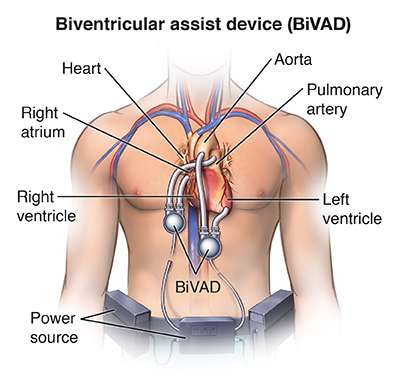
A cardiac MRI provides detailed images of the heart using magnetic fields and radio waves. This non-invasive imaging technique offers clarity about both structure and function of cardiac tissues without exposure to radiation....
- Symptoms such as ongoing shortness of breath or irregular heartbeat often lead physicians to recommend this advanced imaging option....
- The diagnosis involves lying still inside an MRI machine while powerful magnets create detailed images across various planes....
- Treatment approaches post-imaging depend entirely upon observed abnormalities; they could range from monitoring specific conditions more closely through regular check-ups....
- Duration varies but expect about 30-90 minutes depending upon what specific views are required...
In conclusion, cardiac MRI serves as an essential diagnostic tool enabling healthcare providers to diagnose conditions accurately while planning effective treatment protocols...
HOLTER MONITORING
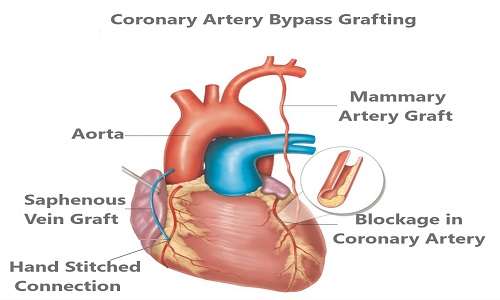
Holter monitoring is a continuous recording of your heart's rhythms over 24-48 hours. This method allows doctors to detect abnormal heart activity that may not occur during standard tests.
- Dizziness, skipped beats, or unexplained episodes of fainting can indicate the need for Holter monitoring to evaluate arrhythmias more closely.
- The procedure involves wearing a small portable monitor attached with electrodes placed on your chest; these record data continuously throughout daily activities.
- Treatment depends significantly on results; lifestyle changes may be recommended along with possible medications if irregularities are discovered during monitoring.
- You will be instructed on how to maintain normal daily activity while recording your heart’s rhythm without interruption...
Overall, Holter monitoring offers comprehensive insight into cardiac function over longer periods than standard tests can provide...
CT ANGIOGRAPHY
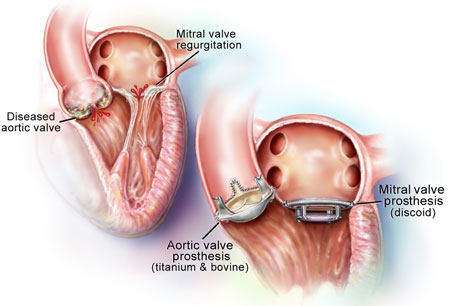
CT angiography is an advanced imaging technique combining CT scans with contrast material to visualize blood vessels throughout the body. Its precision makes it invaluable for diagnosing arterial diseases quickly and efficiently...
- This test might be ordered if you exhibit signs such as sudden chest pain or have risk factors for vascular disease like high cholesterol or hypertension...
- The diagnostic process includes injecting contrast dye into a vein followed by rapid imaging which captures detailed views of blood vessels...
- Depending on results, treatment options may range from lifestyle adjustments to interventional procedures aimed at improving blood flow...
- The actual scan lasts just a few minutes; however, preparation time may vary depending upon individual cases...
In summary, CT angiography plays a crucial role in modern diagnostics by helping physicians make informed decisions regarding patient care...
STRESS TEST
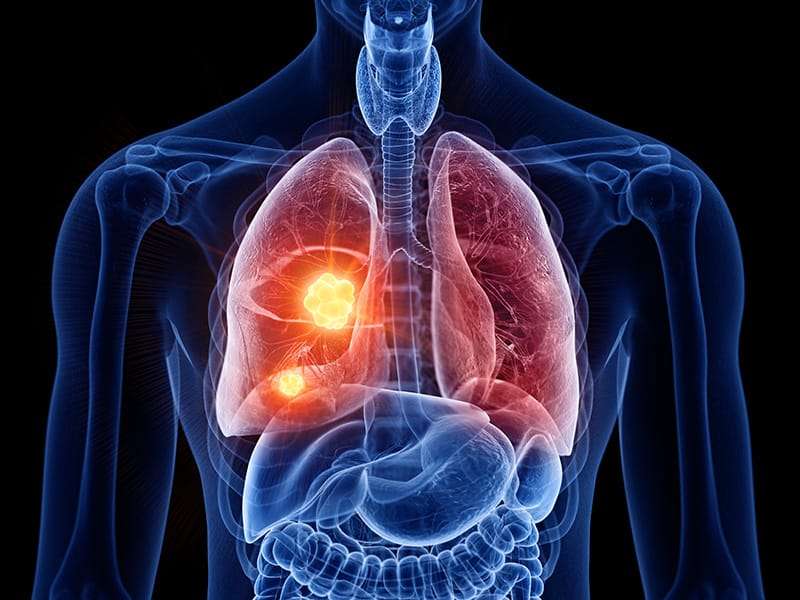
A stress test assesses how well your heart performs under physical exertion. It’s crucial for diagnosing various heart conditions as it reveals potential problems not evident when at rest.
- People often experience symptoms like chest discomfort or excessive fatigue during activity that may indicate underlying cardiac issues warranting further investigation.
- The diagnosis involves monitoring your heart activity through an EKG while you walk on a treadmill or use a stationary bike. Sometimes medication can simulate exercise if necessary.
- Management strategies could involve dietary changes, medications, or surgical options if significant issues are detected during testing.
- Your doctor will monitor your vital signs throughout the test to ensure safety and accurate results are obtained from your performance levels.
A stress test is an effective method to uncover latent heart problems and aids significantly in developing personalized treatment plans going forward.
ECHOCARDIOGRAM
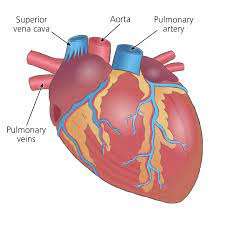
An echocardiogram is a vital imaging technique that uses ultrasound waves to create moving pictures of the heart. This non-invasive procedure helps assess heart structures and function without requiring any radiation exposure.
- Common symptoms leading to an echocardiogram include palpitations, unusual fatigue, or symptoms indicative of heart failure.
- The diagnosis process involves placing a transducer on your chest, which emits sound waves that bounce off heart structures, creating images for evaluation.
- Treatment may depend on findings; options range from lifestyle modifications to surgical interventions if severe conditions are identified.
- The entire process can take around 30 to 60 minutes, during which you will lie still and breathe normally while images are captured.
- You will receive guidance regarding follow-up appointments based on findings from your echocardiogram.
This essential tool aids in identifying various cardiac issues early on and forms the basis for subsequent care strategies.
CORONARY ANGIOGRAPHY
Coronary angiography is a diagnostic procedure used to visualize the coronary arteries and assess blood flow to the heart. This minimally invasive technique provides crucial information about blockages or narrowing of the arteries that can lead to cardiovascular diseases.
- Symptoms that may prompt this test include chest pain, shortness of breath, and unexplained fatigue.
- This condition is typically diagnosed using imaging techniques such as X-rays combined with contrast dye, which highlights the blood vessels.
- Treatment options include angioplasty for restoring blood flow or medication management depending on the severity of the condition.
- During the procedure, you will be given local anesthesia and possibly mild sedation. A catheter is inserted through a blood vessel for visualization.
- Post-procedure, you can expect some monitoring in a recovery area before resuming normal activities.
Overall, coronary angiography is pivotal in understanding heart health and guiding further treatment plans.