
Dr. AK Aggarwal
About Me
Dr. AK Aggarwal
MS
General Surgeons
10 Years Experience
Biography
My Clinic
OPD Hours
| Monday | Morning | 10:00 AM | - | 02:00 PM |
| Evening | 06:00 PM | - | 09:00 PM | |
| Tuesday | Morning | 10:00 AM | - | 02:00 PM |
| Evening | 06:00 PM | - | 09:00 PM | |
| Wednesday | Morning | 10:00 AM | - | 02:00 PM |
| Evening | 06:00 PM | - | 09:00 PM | |
| Thursday | Morning | 10:00 AM | - | 02:00 PM |
| Evening | 06:00 PM | - | 09:00 PM | |
| Friday | Morning | 10:00 AM | - | 02:00 PM |
| Evening | 06:00 PM | - | 09:00 PM | |
| Saturday | Morning | 10:00 AM | - | 02:00 PM |
| Evening | 06:00 PM | - | 09:00 PM | |
| Sunday | Morning | 10:00 AM | - | 02:00 PM |
| Evening | 06:00 PM | - | 09:00 PM |
Treatments
Specialised care and treatments offered
VARICOSE VEIN TREATMENT
Treatment options for varicose veins involve various procedures designed to reduce symptoms caused by these swollen veins. Many people experience aesthetic concerns alongside discomfort from this common vascular issue affecting legs due to poor blood circulation over time.
- Some typical symptoms comprise visible twisted veins under skin surface accompanied by aching sensations during prolonged standing efforts.
- Diagnosis primarily occurs via clinical examination complemented by ultrasound technologies assessing blood flow conditions inside affected veins.
- Treatment methods range from non-invasive approaches like compression therapy leading towards more interventional techniques including endovenous laser therapy which seals off faulty vessels providing outcomes improving both function & appearance alike.
- Most patients benefit tremendously as these interventions often lead onto durable results while decreasing recurrence chances down-the-line ensuring satisfaction among those who seek effective management strategies.
This comprehensive approach ensures successful outcomes tailored closely into individual lives enhancing their everyday experiences significantly post-treatment!
BARIATRIC SURGERY

Bariatric surgery encompasses various procedures aimed at weight loss for individuals struggling with obesity when conventional methods like diet and exercise have failed. These interventions can significantly improve quality of life alongside obesity-related conditions such as diabetes and hypertension.
- Key symptoms indicating eligibility might include BMI calculations exceeding 30 along with health complications arising from excessive weight gain.
- A comprehensive evaluation involving nutritional assessments and psychological support helps determine suitability for surgical options like gastric bypass or sleeve gastrectomy.
- Surgical techniques are designed not just for weight reduction but also promote long-term lifestyle changes that ensure lasting results.
- The postoperative phase requires commitment to lifestyle modifications; however, many experience significant health improvements shortly after the procedure.
This type of surgery offers hope for individuals seeking an effective solution against obesity-related health issues when implemented correctly by skilled professionals.
APPENDECTOMY

An appendectomy is a common surgical intervention for removing an inflamed appendix. This condition often requires urgent treatment due to risks of rupture leading to peritonitis.
- Main symptoms include sharp pain in the lower right abdomen, fever, nausea, and loss of appetite that progresses rapidly over hours.
- The diagnosis is confirmed through clinical evaluation combined with imaging tests such as ultrasounds or CT scans for accurate assessment of inflammation.
- Surgical removal can be performed either through traditional open techniques or laparoscopically based on severity and overall health considerations.
- The recovery period post-appendectomy is typically brief for laparoscopic cases, allowing patients to return home within 24 hours in most instances and resume normal activities within weeks.
This timely procedure effectively resolves appendicitis before further complications arise, ensuring patient safety and well-being.
HEMORRHOIDECTOMY
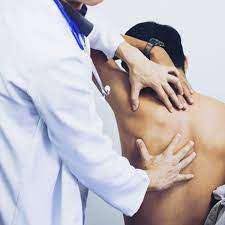
A hemorrhoidectomy is a surgical procedure performed to excise hemorrhoids that have not responded well to conservative treatments. This condition can be quite uncomfortable and affect daily life significantly.
- The main symptoms include painful swelling around the anus, bleeding during bowel movements, and chronic itching.
- The diagnosis is usually made through a physical examination of the anal region after discussing symptoms with your healthcare provider.
- Treatment options vary but may include rubber band ligation for milder cases; however, severe cases often require surgery to remove excess tissue causing bleeding or discomfort.
- Recovery may require some adjustments in diet and activity level but is generally straightforward with most patients returning home shortly after outpatient procedures.
This procedure can provide substantial relief for persistent hemorrhoid issues experienced by many individuals over time.
HERNIA REPAIR SURGERY
Hernia repair surgery addresses abdominal hernias that occur when an internal organ pushes through a weak spot in the muscle wall. This condition can sometimes cause pain or discomfort during physical activity or lifting heavy objects.
- Common symptoms include a noticeable bulge, pain at the site of the hernia, and discomfort while standing or lifting.
- A physical examination by a healthcare provider typically leads to a diagnosis, often supplemented by imaging studies if needed.
- Surgical options include open surgery or laparoscopic techniques, both aimed at returning the organ to its proper position and reinforcing the abdominal wall.
- Patients generally recover quickly with laparoscopic methods, experiencing less pain and shorter hospital stays compared to conventional surgeries.
This surgery is vital for preventing complications associated with untreated hernias, such as incarceration or strangulation.
LAPAROSCOPIC CHOLECYSTECTOMY
Laparoscopic cholecystectomy is a minimally invasive surgical procedure used to remove the gallbladder. This surgery is typically recommended for patients suffering from gallstones or other gallbladder-related issues.
- Symptoms may include severe abdominal pain, particularly after eating fatty meals, nausea, and digestive problems.
- The diagnosis usually involves imaging tests such as ultrasounds or MRIs to confirm the presence of gallstones.
- Treatment options primarily focus on this surgical procedure which entails small incisions and the use of a camera to guide the surgeon.
- Post-surgery, patients can expect a quicker recovery time compared to traditional open surgery and often can resume normal activities within a week.
This procedure has high success rates and minimal complications, making it an effective choice for managing gallbladder disease.