
Dr. Adhir Kumar Pandey
About Me
Dr. Adhir Kumar Pandey
MD
Pulmonologist
10 Years Experience
Biography
My Clinic
OPD Hours
| Monday | Morning | 10:00 AM | - | 02:00 PM |
| Evening | 06:00 PM | - | 09:00 PM | |
| Tuesday | Morning | 10:00 AM | - | 02:00 PM |
| Evening | 06:00 PM | - | 09:00 PM | |
| Wednesday | Morning | 10:00 AM | - | 02:00 PM |
| Evening | 06:00 PM | - | 09:00 PM | |
| Thursday | Morning | 10:00 AM | - | 02:00 PM |
| Evening | 06:00 PM | - | 09:00 PM | |
| Friday | Morning | 10:00 AM | - | 02:00 PM |
| Evening | 06:00 PM | - | 09:00 PM | |
| Saturday | Morning | 10:00 AM | - | 02:00 PM |
| Evening | 06:00 PM | - | 09:00 PM | |
| Sunday | Morning | 10:00 AM | - | 02:00 PM |
| Evening | 06:00 PM | - | 09:00 PM |
Treatments
Specialised care and treatments offered
TUBERCULOSIS TESTING
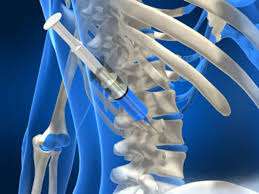
Tuberculosis (TB) testing is crucial for identifying latent or active TB infections. Understanding your TB status helps protect both personal health and public safety since this disease can be transmitted easily through air droplets when an infected person coughs or sneezes.
- The primary signs may include prolonged cough, fever, night sweats, or unexplained weight loss that necessitates further investigation;
Proactive testing not only helps detect tuberculosis early but also assists in curtailing its spread within communities effectively.
SLEEP APNEA MANAGEMENT

Sleep apnea is a serious sleep disorder characterized by repeated interruptions in breathing during sleep. Proper management is essential for overall health improvement and quality of life enhancement.
- A common symptom includes loud snoring followed by gasping or choking during sleep moments. Daytime fatigue often becomes apparent due to disrupted rest cycles.
- This condition can be diagnosed through sleep studies, which monitor specific body functions while sleeping to identify events related to breathing cessation;
- Treatment approaches vary from lifestyle modifications such as weight loss to the use of CPAP machines that keep airways open during sleep periods;
A proactive stance towards sleep apnea management ensures individuals maintain healthier sleep patterns and reduces associated health risks like cardiovascular diseases over time.
PNEUMONIA VACCINATION

Pneumonia vaccination is an essential preventive measure against bacterial pneumonia. Vaccines can significantly lower the risk of severe complications associated with this respiratory infection.
- Pneumonia symptoms typically include cough, fever, chills, and difficulty breathing which might necessitate prompt medical attention.
- The vaccine is generally recommended for high-risk groups including older adults or those with underlying health conditions.
- The main types are pneumococcal vaccines; they work by stimulating the immune system to recognize harmful bacteria more efficiently.
- A routine vaccine schedule along with awareness on infection risks plays a vital role in community health outreach efforts.
Engaging in preventive measures like vaccination not only protects individuals but contributes positively to public health initiatives against pneumonia outbreaks.
LUNG CANCER SCREENING

Lung cancer screening is an important preventive measure for those at high risk. Early detection plays a crucial role in improving outcomes for patients with lung cancer.
- This screening aims primarily at current or former smokers aged 55-80 years who have a substantial smoking history.
- An initial step usually involves a low-dose CT scan to identify any suspicious nodules in the lungs.
- If abnormalities are detected, follow-up procedures may include additional imaging or biopsies for confirmation.
- Screening offers potential benefits such as earlier treatment options which can lead to better survival rates for lung cancer patients.
The goal of lung cancer screening is not only early diagnosis but also empowering patients through knowledge about risk factors and health modifications that can enhance their health outcomes.
ASTHMA

Asthma is a chronic inflammatory disease of the airways that causes recurrent breathing problems. It can vary greatly in severity and may be triggered by various factors including allergens or exercise.
- Common symptoms range from wheezing and coughing to chest tightness and shortness of breath.
- The diagnosis is typically established through a combination of medical history assessments, physical examinations, and spirometry tests.
- Treatment typically includes inhalers containing bronchodilators or corticosteroids to reduce inflammation in the airways.
- A personalized asthma action plan can significantly help in managing episodes effectively.
With appropriate management strategies in place, individuals can experience minimal disruptions to their daily lives due to asthma.
CHRONIC OBSTRUCTIVE PULMONARY DISEASE (COPD)

Chronic Obstructive Pulmonary Disease, commonly known as COPD, is a progressive lung disease that primarily affects breathing. It encompasses conditions such as chronic bronchitis and emphysema, leading to significant airflow limitation.
- Symptoms include persistent cough, shortness of breath, and frequent respiratory infections.
- Diagnosis often involves pulmonary function tests, imaging studies like chest X-rays, and clinical evaluations from healthcare providers.
- Treatment options may include medications, such as bronchodilators and steroids, along with pulmonary rehabilitation and lifestyle changes.
- Management focuses on alleviating symptoms and improving quality of life through continuous care and monitoring.
A comprehensive approach can help patients manage their condition effectively and maintain better respiratory health.