
Dr. Abhishek Pathak Consultant Neuropsychiatrist
About Me
Dr. Abhishek Pathak Consultant Neuropsychiatrist
MD
Neuropsychiatrist
10 Years Experience
Biography
My Clinic
OPD Hours
| Monday | Morning | 10:00 AM | - | 02:00 PM |
| Evening | 06:00 PM | - | 09:00 PM | |
| Tuesday | Morning | 10:00 AM | - | 02:00 PM |
| Evening | 06:00 PM | - | 09:00 PM | |
| Wednesday | Morning | 10:00 AM | - | 02:00 PM |
| Evening | 06:00 PM | - | 09:00 PM | |
| Thursday | Morning | 10:00 AM | - | 02:00 PM |
| Evening | 06:00 PM | - | 09:00 PM | |
| Friday | Morning | 10:00 AM | - | 02:00 PM |
| Evening | 06:00 PM | - | 09:00 PM | |
| Saturday | Morning | 10:00 AM | - | 02:00 PM |
| Evening | 06:00 PM | - | 09:00 PM | |
| Sunday | Morning | 10:00 AM | - | 02:00 PM |
| Evening | 06:00 PM | - | 09:00 PM |
Treatments
Specialised care and treatments offered
DEEP BRAIN STIMULATION (DBS)
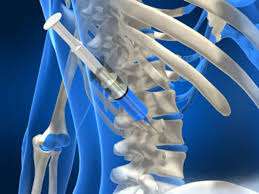
Deep Brain Stimulation (DBS) involves implanting electrodes within specific regions of the brain that regulate movement. Initially developed as a surgical intervention for Parkinson's disease complications, DBS has expanded its applications into treating depression and obsessive-compulsive disorder effectively improving overall functioning when conventional therapies fail; it significantly reshapes neurological pathways leading towards reduced symptoms experienced daily too!
- Ideal candidates are those suffering chronic manifestations exhibiting resistance against traditional interventions ; recognizing having exhaustion from extensive options often leads such individuals seeking out alternative routes toward recovery .
- A comprehensive pre-operative evaluation conducted assists healthcare professionals determine which anatomical sites could yield most benefit from stimulation based upon personal histories collected accurately beforehand .
- Post-operatively frequent follow-ups happen regularly allowing adjustments made progressively ensuring optimal effectiveness achieved across long-term trajectories expected out too .
- Side effects usually arise infrequently consisting mainly mild headaches while majority report sustained satisfaction post-intervention provided regular compliance adhered firmly towards care plans outlined written down clearly beforehand concerning this approach's proper utilize conditionally ].
Deep Brain Stimulation stands along innovative frontiers enabling advancements regarding intervention methods promising hopeful resolutions against previously thought unmanageable challenges intertwining biology innovation forged together !
NEUROFEEDBACK THERAPY

Neurofeedback Therapy is an advanced technique aimed at training individuals how to control brain activity through real-time monitoring. This method has shown promise especially in addressing ADHD symptoms and other cognitive impairments by enhancing self-regulation capabilities regarding brain function.
- This type of therapy aims primarily towards alleviating attention issues along with emotional dysregulation frequently observed among patients with ADHD or anxiety disorders.
- An initial brain mapping assessment identifies atypical patterns which lays the groundwork for personalized training protocols that target specific areas of concern in one’s brain function abilities;
- Interactive feedback allows patients actively engage during training where they learn appropriate responses over time;
- Sessions range between 30-60 minutes long , conducted over several weeks until satisfactory improvements are noted ;
- As individuals progress , they report enhanced focus , concentration levels & reduced impulsivity resulting greatly impacting everyday life positively .
Neurofeedback emerges as a non-invasive alternative proving advantageous particularly catered towards neurological rehabilitation exceptional results could emerge .
PSYCHOPHARMACOLOGY

Psychopharmacology refers to the study and treatment of mental disorders using medications. Neuropsychiatrists prescribe various drugs tailored specifically to balance neurotransmitters affected by conditions like schizophrenia or bipolar disorder, providing symptomatic relief while minimizing side effects.
- Conditions treated range from anxiety disorders to severe mood disturbances requiring careful medication management for optimal outcomes.
- A detailed diagnostic evaluation includes medical histories alongside symptom assessments leading up to medication recommendations based on individuality.
- The selection of medications may incorporate antidepressants, antipsychotics, or mood stabilizers depending on individual diagnoses and needs.
- Close monitoring during treatment helps identify potential side effects early so necessary adjustments can be made effectively.
- Patients are encouraged to maintain open communication with their healthcare providers throughout their journey to ensure tailored support.
In conclusion , psychopharmacology offers significant opportunities for recovery by addressing core biological foundations influencing behavior .
COGNITIVE BEHAVIORAL THERAPY (CBT)

Cognitive Behavioral Therapy (CBT) focuses on changing negative patterns of thinking and behavior associated with various neuropsychiatric disorders. This structured therapy aids individuals in understanding their thoughts' influence on emotions and actions, empowering them toward healthier choices.
- This therapy effectively addresses symptoms related to anxiety disorders, phobias, depression, and PTSD among others.
- A thorough assessment of cognitive patterns enables clinicians to tailor CBT effectively to each patient’s unique needs.
- Sessions typically combine both individual therapy formats and group settings for shared experiences and support.
- Psychoeducation forms an essential part of CBT sessions wherein patients learn new coping mechanisms that can enhance their quality of life.
- A strong emphasis on practicing skills outside therapy ensures long-term success as patients take proactive roles in their recovery process.
CBT represents a collaborative journey towards improved mental wellbeing through practical strategies and self-awareness enhancement.
ELECTROCONVULSIVE THERAPY (ECT)

Electroconvulsive Therapy (ECT) is an effective treatment primarily for severe depression and certain types of psychosis. This procedure involves the application of small electric currents to induce brief seizures under controlled conditions, allowing for significant changes in brain chemistry to relieve symptoms.
- Common indications for ECT include treatment-resistant depression and severe suicidal ideation.
- A comprehensive psychiatric evaluation helps to diagnose the need for ECT, involving medical history and symptom assessment.
- The treatment itself is conducted while patients are under general anesthesia to ensure comfort and safety.
- Side effects may include temporary confusion or memory loss, but these typically resolve shortly after treatment.
- Many patients report rapid improvement in their mood following ECT sessions, often within days.
This therapeutic option can be life-changing for individuals facing debilitating mental health challenges.
TRANSCRANIAL MAGNETIC STIMULATION (TMS)

Transcranial Magnetic Stimulation (TMS) is a non-invasive procedure utilized primarily to treat major depressive disorder and other neuropsychiatric conditions. It employs magnetic fields to stimulate nerve cells in the brain, promoting activity in areas responsible for mood regulation.
- Symptoms that may benefit from TMS include persistent sadness, fatigue, and loss of interest in daily activities.
- TMS is typically diagnosed by evaluating the patient's mental health history and specific symptoms through clinical interviews.
- Treatment sessions usually last about 40 minutes and are performed several times a week over a few weeks.
- The process is generally well-tolerated, with minimal side effects like headache or scalp discomfort.
- Patients can expect gradual improvement in mood, often after just a few sessions.
In summary, TMS represents an innovative approach for those who have not found relief through traditional treatments.