
Dr Yogesh Sharma
About Me
Dr Yogesh Sharma
MBBS
Internal Medicine
10 Years Experience
Biography
My Clinic
OPD Hours
| Monday | Morning | 10:00 AM | - | 02:00 PM |
| Evening | 06:00 PM | - | 09:00 PM | |
| Tuesday | Morning | 10:00 AM | - | 02:00 PM |
| Evening | 06:00 PM | - | 09:00 PM | |
| Wednesday | Morning | 10:00 AM | - | 02:00 PM |
| Evening | 06:00 PM | - | 09:00 PM | |
| Thursday | Morning | 10:00 AM | - | 02:00 PM |
| Evening | 06:00 PM | - | 09:00 PM | |
| Friday | Morning | 10:00 AM | - | 02:00 PM |
| Evening | 06:00 PM | - | 09:00 PM | |
| Saturday | Morning | 10:00 AM | - | 02:00 PM |
| Evening | 06:00 PM | - | 09:00 PM | |
| Sunday | Morning | 10:00 AM | - | 02:00 PM |
| Evening | 06:00 PM | - | 09:00 PM |
Treatments
Specialised care and treatments offered
ACUTE PANCREATITIS
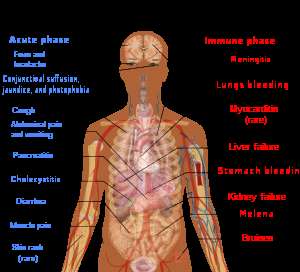
A sudden inflammation of the pancreas causing abdominal pain that requires urgent assessment to prevent serious complications. Early identification directs appropriate supportive care measures promptly improving outcomes substantially compared with delayed presentation scenarios encountered otherwise frequently reported in clinical practice worldwide extensively studied continuously evolving understanding acute inflammatory pancreatic disorders remains cornerstone effective management strategies devised progressing along evolving therapeutic protocols evidencing proven benefits clinically observed after widespread adoption institutional guidelines endorsed internationally encouraging best procedural practices fostering improved patient safety standards oriented towards optimizing recovery trajectories documented across multiple peer-reviewed publications recently circulated among healthcare professionals also emphasizing multidisciplinary approaches involving gastroenterologists intensivists surgeons nutritionists collectively coordinating patient-centric care models ensuring holistic treatment regimens tailored individually based upon severity indices biochemical markers imaging techniques routinely employed determining extent pancreatic tissue involvement systemic manifestations contributing critically methodological decision-making processes implemented meticulously throughout inpatient stay including stepwise introduction oral feeding transition phases maximizing tolerability minimizing risks nutritional rehabilitation enabling enhanced physical restoration functional reserve rejuvenation ultimately facilitating earlier return regular daily activities employment responsibilities social engagements positively reinforcing mental well-being thereby cementing foundations sustainable health maintenance programs integrated broadly under comprehensive internal medicine frameworks dedicated delivering excellence consistently one hallmark distinguishing exemplary setups committed advancing patient-centric excellence continually striving exceeding benchmarks maximizing value-driven healthcare delivery principles embracing innovation fostering collaborative networks transcending conventional boundaries achieving unprecedented success stories collectively celebrating triumph human ingenuity scientific progress compassion combining synergistically towards brighter future envisioned universally benefiting humanity relentlessly pushing frontiers knowledge tirelessly seeking novel breakthroughs minimizing disease burden augmenting longevity enriching lives holistically irrespective geographical socio-economic disparities thereby epitomizing true essence humanitarian mission transcending epochs generations projected indefinitely forward ensuring legacy enduring beyond temporal confines encompassing global community shared vision solidarity justice equality universal access quality healthcare guaranteed rights fundamental enjoyed equitably leveraging modern technological advancements infrastructural developments proliferating worldwide inclusively empowering vulnerable populations previously marginalized historically deprived essential services augmenting resilience adaptive capacities addressing emergent threats posed pandemics natural disasters climate change socio-political upheavals fundamentally redefining paradigms conventional medical practice ultimately heralding new dawn unprecedented possibilities promising healthier tomorrow unveiled progressively harmoniously coupled sustained commitment altruistic values embodied frontline caregivers innovators educators policymakers all converging single-mindedly pursuing fulfillment highest ideals noble profession entrusted safeguarding public health welfare citizens advancing society collectively prospering peacefully sustainably securely eternally fulfilled forevermore harmonious coexistence enlightened humanity united diversities thriving mutual respect mutual aid mutual progress stirred unwavering determination dismantle barriers foster inclusion nurture empathy champion solidarity celebrate diversity inspire hope kindle courage embody resilience embrace change catalyze transformation embrace challenges conquer adversity envision transcend limitations seek elevate uplift empower heal regenerate transform renew reinvigorate reimagine recreate reinvent rediscover.
DEEP VEIN THROMBOSIS (DVT)
DVT involves formation of a blood clot within deep veins usually in the legs. It poses risks due to potential clot migration leading to pulmonary embolism—an urgent health issue requiring awareness and treatment.
- Main symptoms and contributory factors: Swelling, warmth, redness in affected limb; risk factors include prolonged immobility post-surgery or during travel
- Differential diagnosis includes: Ultrasound Doppler imaging confirms presence of clots while ruling out other causes like cellulitis
- Therapeutic interventions consist of: Anticoagulant medications aiming at preventing clot growth alongside mechanical methods like compression stockings Lifelong vigilance: Patients must report new symptoms promptly as untreated DVT can have fatal consequences
Diligent adherence to treatment prevents recurrence and impedes progression towards adverse events such as pulmonary embolism related morbidity or mortality risks are significantly lowered through timely management strategies applied following early detection measures recommended for vigilant individuals at risk enhanced surveillance monitoring post-therapy reduces thrombotic episodes promoting better overall vascular health outcomes accumulating positive recovery timelines increasingly expected under current clinical standards governing managing internal medicine emergencies responding timely treatments focusing comprehensive post-discharge follow-up routines preventing late complications meanwhile considerably elevating quality-of-life expectancy reflecting evidence-based practices universally embraced among frontline healthcare providers combating acute thrombosis presentations prevalent across adult demographic segments worldwide continually motivating medical research institutions supporting clinicians treating these cases successfully every day thus ensuring robust community well-being initiatives supported widely challenging thrombotic disease burdens harming populations globally harnessing latest scientific discoveries pioneering safe therapeutic interventions effectively.
COMMUNITY-ACQUIRED PNEUMONIA
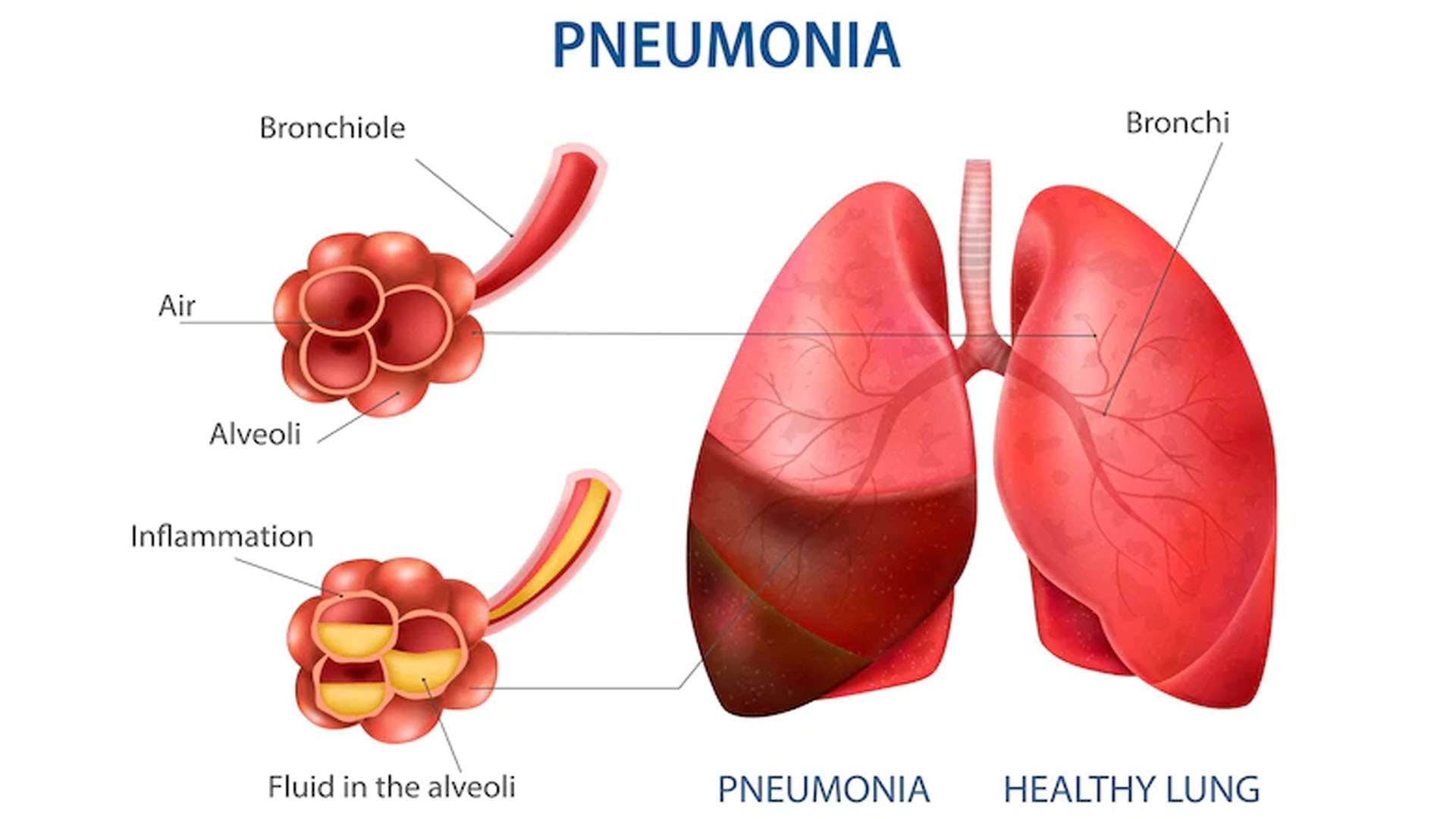
An infection of the lungs acquired outside hospital settings that leads to inflammation affecting breathing efficiency. It requires timely diagnosis to initiate effective therapy.
- Pertinent symptoms and causative agents: Fever, productive cough with purulent sputum, chest pain aggravated by breathing; commonly caused by bacteria like Streptococcus pneumoniae or viruses.
- The diagnostic process involves: Clinical examination supported by chest X-rays and sputum analysis to identify pathogen type where possible.
- Treatment modes include: Empirical antibiotic therapy guided by local resistance patterns plus supportive care such as hydration and oxygen if needed.
- The prognosis depends on timely intervention; follow-up ensures resolution without complications such as abscess formation or respiratory failure.
Adequate rest combined with medication compliance facilitates recovery from this common but potentially serious respiratory illness.
DIABETIC KETOACIDOSIS (DKA)
This serious complication of diabetes occurs when the body produces high levels of blood acids called ketones due to lack of insulin. Rapid treatment is essential to avoid life-threatening outcomes.
- Common signs and triggers: Excessive thirst, frequent urination, nausea, vomiting, abdominal pain; typically triggered by infection or missed insulin doses.
- Diagnostic criteria: Blood glucose testing shows high sugar levels; blood tests reveal ketone presence and acid-base imbalance (acidosis).
- Treatment plan: Hospitalization for fluid replacement, insulin therapy to reduce ketones, correction of electrolyte imbalances like potassium levels.
- Caution during management: Continuous monitoring in intensive care units may be needed for severe cases until metabolic status stabilizes.
If addressed promptly with appropriate measures, individuals can recover fully and resume regular diabetes management routines safely.
HYPERTENSIVE CRISIS
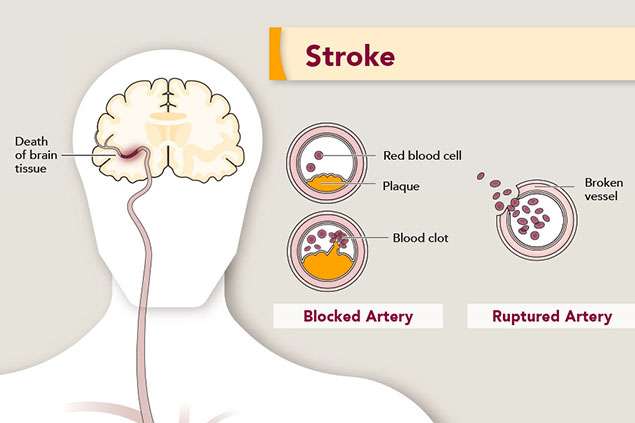
A hypertensive crisis occurs when blood pressure rises rapidly to dangerous levels, posing immediate risks like stroke or heart attack. Immediate medical evaluation is crucial.
- Symptoms and causes: Intense headache, chest pain, blurred vision, shortness of breath; often caused by uncontrolled hypertension or medication noncompliance.
- Diagnostic steps: Blood pressure measurement using calibrated devices, evaluation for organ damage through blood tests and imaging studies.
- Treatment approaches: Urgent administration of intravenous antihypertensives in a hospital setting to lower blood pressure carefully without causing hypoperfusion.
- Expected outcomes: Close monitoring during treatment prevents complications; patient education on medication adherence reduces recurrence risk.
This emergency demands quick but controlled reduction in blood pressure to safeguard vital organs.
ACUTE EXACERBATION OF CHRONIC OBSTRUCTIVE PULMONARY DISEASE (COPD)
Sudden worsening of breathing difficulty in patients with chronic lung disease is a medical emergency that requires prompt attention. This condition often arises due to infections or environmental triggers.
- Symptoms and causes: Increased shortness of breath, wheezing, cough with sputum changes; commonly triggered by respiratory infections or pollution.
- Diagnosis: Physical examination, oxygen saturation measurement, chest X-rays, and spirometry tests help confirm the severity and rule out other causes.
- Treatment options: Includes bronchodilators, corticosteroids, antibiotics if bacterial infection is suspected, supplemental oxygen, and sometimes hospitalization for severe cases.
- Management: Monitoring lung function and symptom control at home once stabilized; lifestyle changes to avoid triggers are critical.
The goal is to restore normal breathing and prevent further episodes through early intervention and regular follow-up care.