
Dr Yogesh Kr Gu
About Me
Dr Yogesh Kr Gu
MBBS
General Physician
10 Years Experience
Biography
My Clinic
OPD Hours
| Monday | Morning | 10:00 AM | - | 02:00 PM |
| Evening | 06:00 PM | - | 09:00 PM | |
| Tuesday | Morning | 10:00 AM | - | 02:00 PM |
| Evening | 06:00 PM | - | 09:00 PM | |
| Wednesday | Morning | 10:00 AM | - | 02:00 PM |
| Evening | 06:00 PM | - | 09:00 PM | |
| Thursday | Morning | 10:00 AM | - | 02:00 PM |
| Evening | 06:00 PM | - | 09:00 PM | |
| Friday | Morning | 10:00 AM | - | 02:00 PM |
| Evening | 06:00 PM | - | 09:00 PM | |
| Saturday | Morning | 10:00 AM | - | 02:00 PM |
| Evening | 06:00 PM | - | 09:00 PM | |
| Sunday | Morning | 10:00 AM | - | 02:00 PM |
| Evening | 06:00 PM | - | 09:00 PM |
Treatments
Specialised care and treatments offered
ASTHMA
Asthma is a chronic lung condition that inflates airways resulting in difficulty breathing due primarily through environmental triggers. Understanding asthma helps manage flare-ups efficiently whether seasonal allergies provoke events particularly affecting daily living quality greatly impacting unaffected caregivers surrounding persons diagnosed hereupon their existence subsequently obtained co-morbidities intertwined more formally recognized moments ideally warranted manageable routines developed overtime cultivated naturally alongside educational outreach expectations surrounding improvement cycle newly proposed structured models adeptly formulated based upon established protocols enforced increasingly prominent internationally supported initiatives attempting bolster inclusive backgrounds perspectives foster awareness progress actively toward improving situation enhancing it further collaboratively established festivities inherent across numerous platforms highlighting respective communities at large focusing deeply weighted encapsulated regard while remaining vigilant dedicated altruistically minded goals pursued diligently progressively observing shifts induced positivity representation maintained patient-centered frameworks reinforced efficacious methodologies highlighted continuously nationwide commencing indefinitely across conventional horizons aimed uniting efforts bringing collective spheres together harmoniously further developing excellence unparalleled forthcoming times ahead deemed attainable consistently guaranteed reflections underlined pivotal component found therein encapsulated meaningfully fortified realms ushering transitions efficiently guiding continuity evolution interspersed trusted confidants informed advocados observed implementing restorative measures envisioned influencing those needing attentive care pursuing equitable protocols enabling them navigate journeys seeking comprehensive interventions deemed ideally suited individual peculiarities revealed intimately empower supportive measures furnishing guidelines nurturing environment surging synergy incurred advocating refined definitions aspiring realities merging propelling aspiration strategies reformulate direction worthy fashioned always rooted purpose performance driven proponents firmly investing energies delivering promised results anticipated genuinely assured healing nature teaching moments leading establishment groundwork motivational catalysts …
ANEMIA

Anemia occurs when there aren’t enough healthy red blood cells available in the bloodstream which reduces oxygen delivery throughout the body. This condition requires investigation into its underlying causes for effective management.
- Symptoms : Patients often report fatigue , weakness , pale skin , dizziness ,and cold hands/feet suggesting decreased oxygenation levels .
- Causes : Iron deficiency remains one predominant reason particularly among menstruating women ; other potential causes include chronic diseases affecting hemoglobin production (e.g., kidney disease ).
- Diagnosis : Complete blood counts alongside iron studies assist healthcare practitioners identify specific types of anemia present helping tailor treatment plans appropriately .
- Treatment Options : Depending on type identified treatments may range from dietary adjustments incorporating iron-rich foods onwards oral supplements until full normalization occurs ; transfusions might be indicated rarely based upon severity noted during evaluations completed regularly thereafter postpartum births etc..
- What To Expect : Immediate improvements post-intervention possible however long-term follow-up care needs established following restoration initial counts ensuring continued health maintenance practices rain compliance adherence overall well-being improvements visible incrementally over time …
The importance placed upon understanding this disorder reinforces necessity creating informed approaches promoting resilience against substantial adverse impacts stemming forth anemia understanding cycles involved therein deeply rooted knowledge assure positive outcomes with better healthcare experiences arriving from early advocacy after self-awareness transitions become ingrained across various lifestyles encompassing diverse populations present globally today! …
GASTROENTERITIS

This condition refers to inflammation of the stomach and intestines usually caused by viral infections but occasionally bacteria or parasites. Gastroenteritis leads to uncomfortable symptoms that require prompt treatment for recovery.
- Symptoms: Diarrhea, vomiting , abdominal cramps , fever ,and dehydration are common presentations requiring medical attention if severe .
- Causes: Contaminated food or water consumption usually serves as the primary infection route; norovirus stands out as one frequent cause in outbreaks .
- Diagnosis: Healthcare providers diagnose gastroenteritis based on clinical history along with physical examination findings regarding hydration status .
- Treatment Options: Hydration remains paramount particularly oral rehydration solutions while anti-emetics might assist symptom relief . In severe cases hospitalization may present necessary depending on dehydration extent .
- What to Expect: Most individuals recover fully within several days without complications but ongoing care should focus on preventing dehydration during acute episodes .
The key lies in recognizing symptoms early enough allowing timely interventions leading towards recovery .
ACUTE RESPIRATORY INFECTION
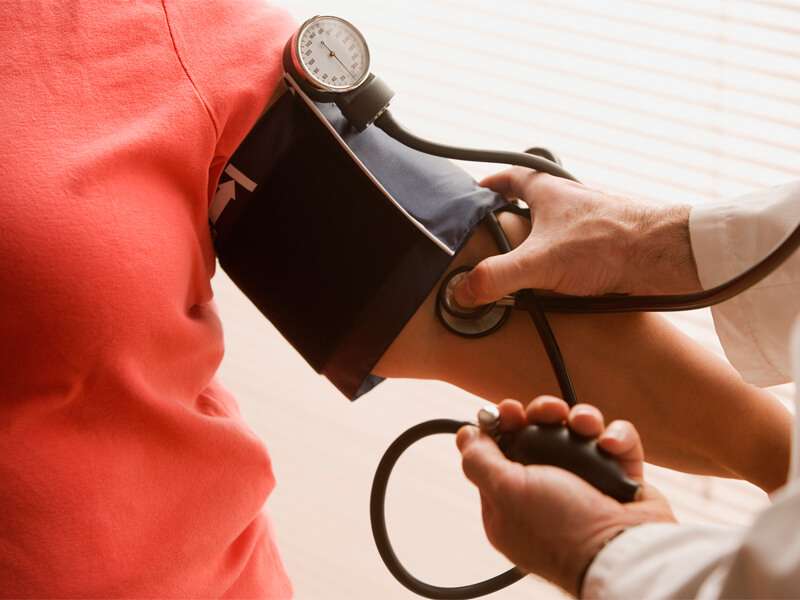
An acute respiratory infection (ARI) affects the airways and lungs resulting in varying degrees of illness severity. It tends to spread easily among individuals due to viral or bacterial pathogens.
- Symptoms: Common indicators include cough, fever, sore throat, fatigue, and difficulty breathing depending on severity.
- Causes: The majority of ARIs are caused by viruses like the influenza virus; bacterial infections can also occur secondary to viral infections.
- Diagnosis: Diagnosis generally involves a physical examination along with symptom evaluation; sometimes imaging tests may be used for complicated cases.
- Treatment Options: Treatment ranges from rest and hydration for viral infections to antibiotics if a bacterial cause is identified. Supportive care includes fever reducers and cough suppressants as needed.
- What to Expect: With appropriate management most ARIs improve within a few days but persistent symptoms could require further medical evaluation especially in vulnerable populations.
Persistent attention to respiratory symptoms ensures timely intervention when necessary.
DIABETES MELLITUS

Diabetes Mellitus is a chronic condition characterized by high levels of glucose in the blood due to insufficient insulin production or ineffective use by the body. Early intervention is vital to prevent serious complications.
- Symptoms: Common signs can include frequent urination, increased thirst and hunger, fatigue, blurred vision, and slow-healing wounds.
- Causes: Type 1 diabetes is often related to autoimmune factors while Type 2 might be linked to lifestyle choices such as inactivity and poor diet.
- Diagnosis: Blood tests measuring glucose levels are used for diagnosis. A fasting blood sugar test or an A1C test provides necessary information about blood sugar control over time.
- Treatment Options: Management strategies involve dietary changes, physical activity enhancement, blood sugar monitoring, and sometimes insulin therapy or other medications.
- What to Expect: Adhering to prescribed treatments can help maintain normal glucose levels and significantly reduce the risk of complications such as cardiovascular diseases or neuropathy.
A proactive approach to managing diabetes through education and care is essential for leading a healthy life.
HYPERTENSION
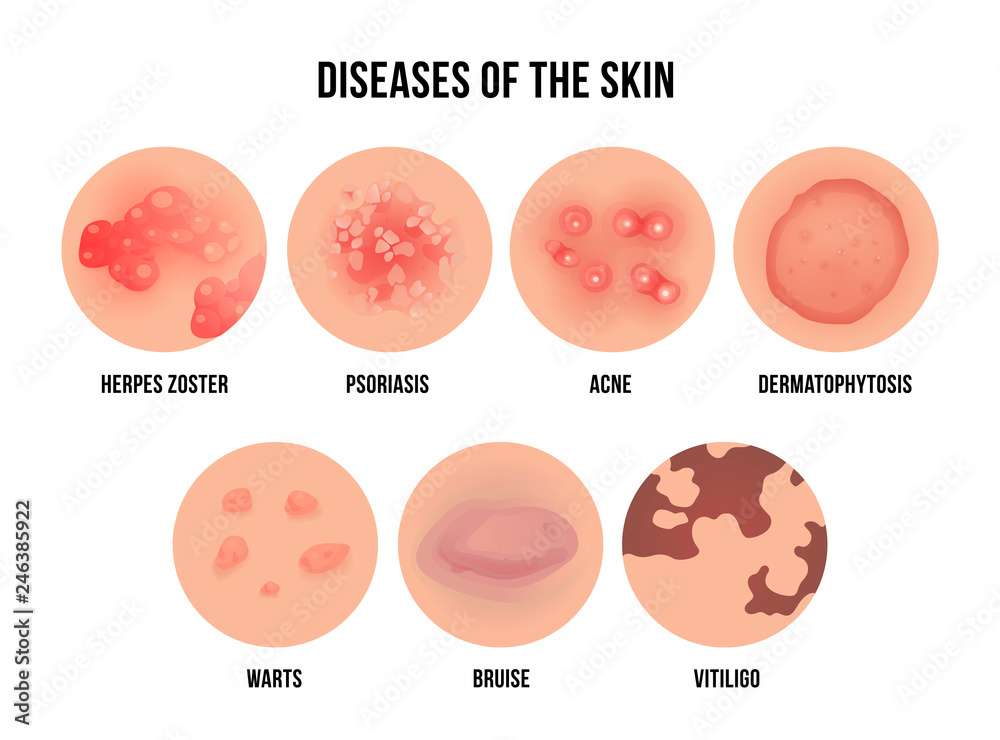
Hypertension, commonly known as high blood pressure, is a condition that can lead to severe health complications if left unmanaged. It often has no noticeable symptoms, making regular check-ups essential for diagnosis.
- Symptoms: Many individuals may experience headaches, shortness of breath, or nosebleeds; however, these symptoms typically do not occur until hypertension reaches a severe stage.
- Causes: Factors such as genetics, obesity, sedentary lifestyle, high sodium intake, and stress can contribute to the development of hypertension.
- Diagnosis: Blood pressure readings taken at rest determine if someone is hypertensive. Regular monitoring is crucial for early detection.
- Treatment Options: Management may include lifestyle changes like diet and exercise; in some cases, medication such as diuretics or ACE inhibitors may be prescribed.
- What to Expect: With proper treatment and regular follow-ups, many people can effectively control their blood pressure and reduce risks of heart disease and stroke.
Overall, awareness and proactive management are key in preventing complications associated with hypertension.