
Dr Yk Goswami
About Me
Dr Yk Goswami
MBBS
General Physician
10 Years Experience
Biography
My Clinic
OPD Hours
| Monday | Morning | 10:00 AM | - | 02:00 PM |
| Evening | 06:00 PM | - | 09:00 PM | |
| Tuesday | Morning | 10:00 AM | - | 02:00 PM |
| Evening | 06:00 PM | - | 09:00 PM | |
| Wednesday | Morning | 10:00 AM | - | 02:00 PM |
| Evening | 06:00 PM | - | 09:00 PM | |
| Thursday | Morning | 10:00 AM | - | 02:00 PM |
| Evening | 06:00 PM | - | 09:00 PM | |
| Friday | Morning | 10:00 AM | - | 02:00 PM |
| Evening | 06:00 PM | - | 09:00 PM | |
| Saturday | Morning | 10:00 AM | - | 02:00 PM |
| Evening | 06:00 PM | - | 09:00 PM | |
| Sunday | Morning | 10:00 AM | - | 02:00 PM |
| Evening | 06:00 PM | - | 09:00 PM |
Treatments
Specialised care and treatments offered
ADULT VACCINATION COUNSELING
An important aspect of preventive healthcare involves timely adult immunizations that protect against infectious diseases prevalent in the community. Vaccines are critical tools in maintaining public health sensitivity especially among adults with comorbid conditions
THYROID DISORDER EVALUATION AND MANAGEMENT

The thyroid gland plays a key role in regulating metabolism through hormone production. Disorders can lead to significant systemic symptoms requiring medical attention for balance restoration.
- Sings & Underlying Causes: Fatigue, weight changes, mood fluctuations; causes include autoimmune thyroiditis or iodine deficiency.
- Diagnostic Workup: Blood tests measuring TSH, T3, and T4 hormones help identify hypo- or hyperthyroidism conditions accurately.
- Treatment Plans: Hormone replacement for hypothyroidism; antithyroid drugs or radioactive iodine for hyperthyroid states depending on severity.
GASTROESOPHAGEAL REFLUX DISEASE (GERD) TREATMENT

This digestive disorder involves acid reflux that causes discomfort such as heartburn. Managing GERD effectively prevents esophageal damage and improves daily well-being.
- Main Symptoms & Causes: Burning chest pain after meals or at night; aggravated by certain foods or obesity.
- Diagnostic Measures: Clinical evaluation supported by endoscopy or pH monitoring if needed.
- Treatment Strategies: Lifestyle changes including weight loss and meal adjustments; proton pump inhibitors or H2 blockers prescribed as necessary.
- Avoiding Complications: Ongoing treatment aims to prevent esophagitis and strictures while alleviating symptoms promptly.
Lifestyle modifications combined with medication greatly enhance symptom control for those affected by acid reflux disease.
CHRONIC OBSTRUCTIVE PULMONARY DISEASE (COPD) MANAGEMENT
COPD is a progressive lung disorder characterized by difficulty breathing due to airflow obstruction. Early identification and treatment can slow progression and improve breathing comfort.
- Symptoms & Causes: Persistent cough, sputum production, shortness of breath; primarily caused by smoking or long-term exposure to pollutants.
- Diagnosing COPD: Spirometry tests measure lung function to confirm diagnosis.
- Treatment Modalities: Smoking cessation support, bronchodilators, inhaled steroids, pulmonary rehabilitation programs.
- Disease Monitoring: Regular clinical assessment to prevent exacerbations and manage symptoms effectively.
An individualized approach helps patients maintain better respiratory function and quality of life despite chronic illness challenges.
TYPE 2 DIABETES MELLITUS CARE

This metabolic disorder affects how your body handles glucose, potentially leading to serious complications if untreated. Control focuses on maintaining blood sugar levels within normal limits.
- Symptoms & Etiology: Increased thirst, frequent urination; risk increased by obesity and sedentary lifestyle.
- Diagnostic Tests: Blood glucose tests including fasting plasma glucose and HbA1c levels.
- Treatment Approaches: Dietary changes, physical activity enhancement, oral medications or insulin therapy when indicated.
- Patient Monitoring: Regular glucose monitoring and periodic screening for complications like neuropathy or retinopathy.
A comprehensive care plan significantly minimizes the risk of complications associated with this chronic illness.
HYPERTENSION MANAGEMENT
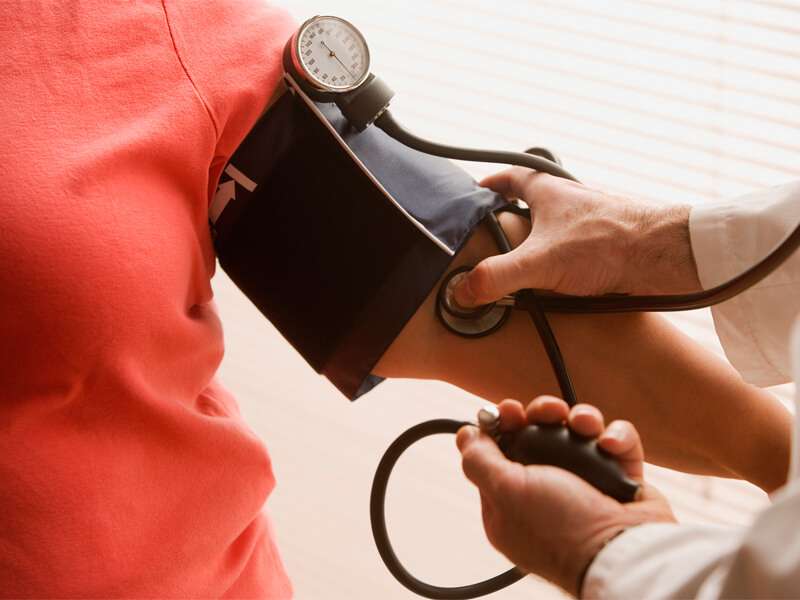
High blood pressure is a common but serious health condition that requires ongoing attention to prevent complications. It often presents without symptoms, making regular checkups essential.
- Causes & Symptoms: Often asymptomatic; risk factors include obesity, high salt intake, and stress.
- Diagnosis: Measured using blood pressure cuffs during clinical visits or ambulatory monitoring.
- Treatment Options: Lifestyle modifications like diet and exercise, along with antihypertensive medications as prescribed.
- Monitoring: Regular follow-ups required to adjust therapy and avoid organ damage.
Proper management helps reduce the risk of heart attack, stroke, and kidney disease, improving overall quality of life.