
Dr Y P Singh
About Me
Dr Y P Singh
MBBS
General Physician
10 Years Experience
Biography
My Clinic
OPD Hours
| Monday | Morning | 10:00 AM | - | 02:00 PM |
| Evening | 06:00 PM | - | 09:00 PM | |
| Tuesday | Morning | 10:00 AM | - | 02:00 PM |
| Evening | 06:00 PM | - | 09:00 PM | |
| Wednesday | Morning | 10:00 AM | - | 02:00 PM |
| Evening | 06:00 PM | - | 09:00 PM | |
| Thursday | Morning | 10:00 AM | - | 02:00 PM |
| Evening | 06:00 PM | - | 09:00 PM | |
| Friday | Morning | 10:00 AM | - | 02:00 PM |
| Evening | 06:00 PM | - | 09:00 PM | |
| Saturday | Morning | 10:00 AM | - | 02:00 PM |
| Evening | 06:00 PM | - | 09:00 PM | |
| Sunday | Morning | 10:00 AM | - | 02:00 PM |
| Evening | 06:00 PM | - | 09:00 PM |
Treatments
Specialised care and treatments offered
SEASONAL ALLERGIC RHINITIS MANAGEMENT
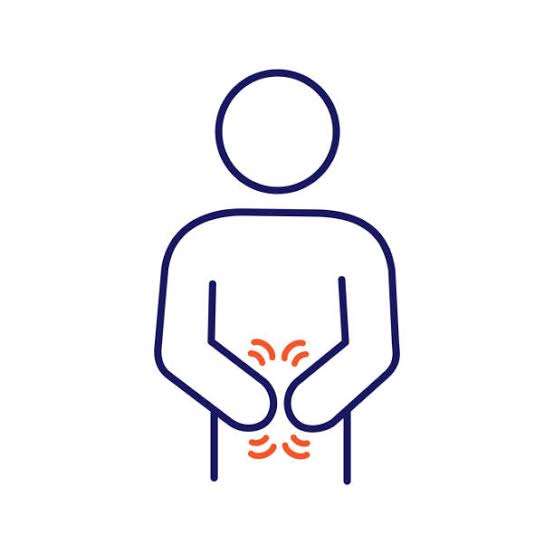
This condition involves allergic reactions affecting the nasal passages triggered by seasonal allergens like pollen. It can significantly impact daily comfort but treatments are available to control symptoms effectively.
- Symptoms & Causes: Sneezing fits, nasal congestion/runny nose due to immune response against environmental allergens.
- Diagnostic Measures: Primarily clinical history supported by allergy testing when necessary.
- Treatment Modalities: Antihistamines, nasal corticosteroids sprays help relieve symptoms; avoidance of triggers advised.
- Prognosis: Regular treatment reduces frequency/severity allowing patients better quality of life during allergy seasons.
Managing seasonal allergic rhinitis promptly prevents symptom escalation enhancing comfort throughout affected periods.
IRON DEFICIENCY ANEMIA TREATMENT

Anemia caused by iron deficiency can lead to fatigue and weakness but responds well to intervention once diagnosed. Identifying causes is an important step in treatment planning.
- Symptoms & Causes: Fatigue, pallor; commonly due to inadequate dietary iron intake or chronic blood loss.
- Diagnosis: Complete blood count tests reveal decreased hemoglobin along with low serum ferritin levels.
- Treatment Strategies: Oral iron supplements combined with addressing underlying sources of iron loss offer effective correction.
- Patient Expectations: Improvement seen within weeks though full recovery may take several months depending on severity.
Appropriate management ensures restoration of normal red cell levels thereby improving energy and overall health.
CHRONIC OBSTRUCTIVE PULMONARY DISEASE (COPD) MONITORING

COPD is a progressive lung condition primarily affecting smokers or those exposed to lung irritants. Early management slows disease progression and improves breathing comfort.
- Main Causes & Symptoms: Long-term smoking exposure leads to airflow obstruction causing breathlessness, chronic cough with sputum production.
- Diagnosis Process: Spirometry tests assess lung function alongside clinical evaluation.
- Treatment Approaches:Simplified therapies include inhalers with bronchodilators/steroids; smoking cessation is critical for improvement.
- Treatment Outcome Expectations:Aims at symptom reduction, prevention of flare-ups, maintaining daily function levels as much as possible.
Diligent monitoring of COPD enables timely interventions that enhance patient wellbeing over time.
ACUTE UPPER RESPIRATORY TRACT INFECTION CARE
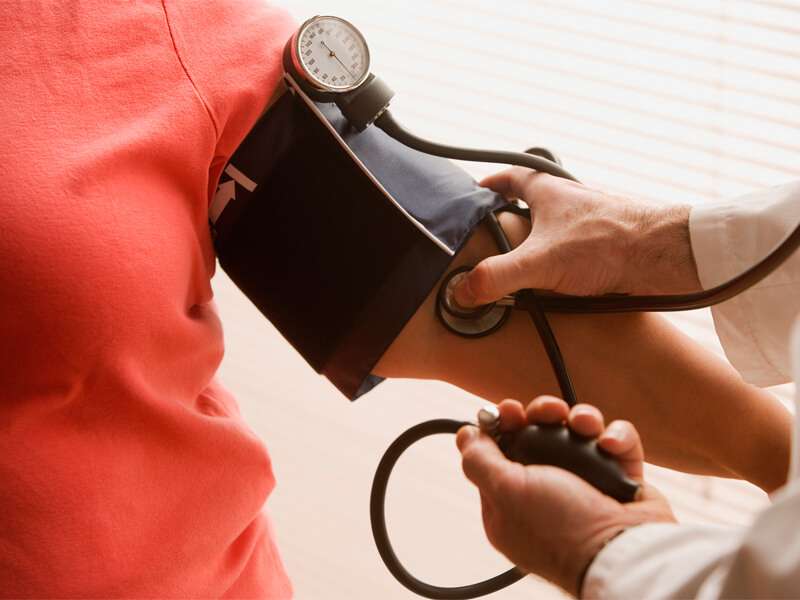
Upper respiratory infections (URIs) are among the most frequent reasons for medical consultation. Most cases resolve quickly but require symptom relief strategies.
- Causes & Symptoms: Commonly caused by viruses; symptoms include sore throat, cough, nasal congestion, mild fever.
- Diagnosis: Clinical evaluation based on history and physical examination suffices in most situations.
- Treatment Options: Supportive care such as rest, hydration, antipyretics; antibiotics are generally not needed unless bacterial superinfection occurs.
- What to Expect: Symptoms typically improve within one to two weeks without complications in healthy individuals.
Caring thoughtfully for URIs helps minimize discomfort while supporting the body’s natural healing processes.
TYPE 2 DIABETES SCREENING AND MANAGEMENT

Type 2 diabetes is a metabolic disorder characterized by elevated blood sugar levels due to insulin resistance or deficiency. Early detection can prevent complications.
- Symptoms and Causes: Increased thirst, frequent urination, fatigue; influenced by genetics, obesity, sedentary lifestyle.
- Diagnosis: Blood tests such as fasting glucose or HbA1c provide confirmation.
- Treatment/Management: Focuses on diet regulation, physical activity, weight management, oral medications or insulin if needed.
- Expectations: Ongoing monitoring is essential to maintain blood sugar within target ranges and avoid issues like neuropathy or cardiovascular disease.
Lifestyle adaptation coupled with medical treatment greatly improves quality of life for those with type 2 diabetes.
HYPERTENSION MANAGEMENT
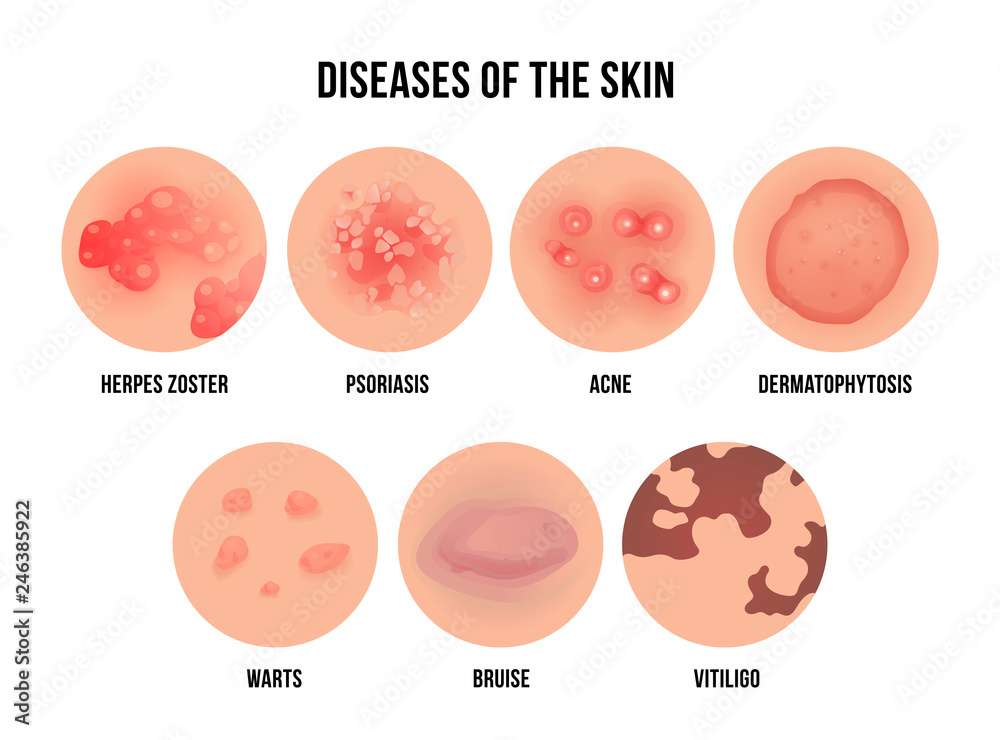
High blood pressure, or hypertension, is a common health concern that requires ongoing attention to prevent serious complications. It often presents without noticeable symptoms, making regular monitoring crucial.
- Symptoms and Causes: Often asymptomatic; linked to genetics, lifestyle factors like diet and stress, and underlying conditions such as kidney disease.
- Diagnosis: Confirmed through repeated blood pressure measurements using accurate devices during doctor's visits.
- Treatment Options: Lifestyle modifications including diet and exercise, combined with antihypertensive medications tailored to the individual.
- Management: Regular follow-ups for blood pressure monitoring and adjustment of therapy as necessary to reduce risk of heart attack and stroke.
Proper control of hypertension significantly lowers the chance of cardiovascular events and improves long-term health outcomes.