
Dr Vishwveer
About Me
Dr Vishwveer
MS
Orthopaedic Surgeons
10 Years Experience
Biography
My Clinic
OPD Hours
| Monday | Morning | 10:00 AM | - | 02:00 PM |
| Evening | 06:00 PM | - | 09:00 PM | |
| Tuesday | Morning | 10:00 AM | - | 02:00 PM |
| Evening | 06:00 PM | - | 09:00 PM | |
| Wednesday | Morning | 10:00 AM | - | 02:00 PM |
| Evening | 06:00 PM | - | 09:00 PM | |
| Thursday | Morning | 10:00 AM | - | 02:00 PM |
| Evening | 06:00 PM | - | 09:00 PM | |
| Friday | Morning | 10:00 AM | - | 02:00 PM |
| Evening | 06:00 PM | - | 09:00 PM | |
| Saturday | Morning | 10:00 AM | - | 02:00 PM |
| Evening | 06:00 PM | - | 09:00 PM | |
| Sunday | Morning | 10:00 AM | - | 02:00 PM |
| Evening | 06:00 PM | - | 09:00 PM |
Treatments
Specialised care and treatments offered
TENDON REPAIR SURGERY
Tendon repair surgery is performed when tendons become torn due to injury or degeneration. This procedure aims to restore normal function and alleviate pain by reconnecting torn tendon fibers through surgical intervention using various methods tailored specifically for each patient's needs.
- Symptoms & Causes : Conditions causing tendon tears might stem from acute injuries during sports activities along with gradual wear affecting older adults impacted by conditions like tendinopathy.
- Diagnostic Evaluation : Specialists utilize comprehensive evaluations featuring physical assessments complemented by imaging studies necessary determining repair requirements beforehand.
- Surgical Interventions Available : Tendon reconstruction techniques vary reliant upon specific injury locations enabling optimal healing post-operation via minimal disruption around surrounding tissues.
Successful outcomes correlate significantly towards restoring mobility thus enhancing quality therapeutic resource availability following sustained repairs given adequate commitment placed throughout rehabilitation processes initiated afterward.
BURSA INJECTION
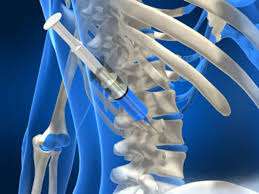
Bursa injections serve as an effective treatment option for inflamed bursa sacs that cushion bones near joints. This approach minimizes discomfort associated with bursitis by utilizing targeted steroid medications which reduce inflammation directly at impacted sites.
- Causes & Symptoms: Common causes include repetitive motion injuries resulting in pain localized around joints accompanied by swelling and tenderness in inflamed areas.
- Diagnosis Process: Physical exams coupled with imaging protocols such as ultrasounds allow orthopedic specialists adequate insight into potential bursitis cases prior intervention initiation.
- Treatment Approach : Steroids are injected within affected bursa structures providing rapid anti-inflammatory effects improving overall patient comfort levels post-injection.
- Recovery Expectations : Many patients can experience considerable relief shortly after injection sessions leading them back towards regular activities quickly thereafter.
Orthopedic specialists frequently recommend this safe procedure offering immediate symptom management solutions for bursal concerns.
MINIMALLY INVASIVE SPINE SURGERY

This advanced surgical option focuses on treating spine disorders through smaller incisions than traditional surgery. Minimally invasive spine surgery (MISS) is designed to reduce muscle damage while effectively addressing spinal issues like herniated discs or spinal stenosis.
- Symptoms: Common indications include back pain radiating down limbs or numbness in extremities due to nerve compression.
- Diagnosis: Evaluation typically encompasses imaging techniques such as CT scans or advanced MRIs alongside clinical assessments.
- Treatment Methods: Techniques may involve discectomy or decompression procedures performed through smaller access points for optimal recovery outcomes.
Patiens can generally expect shorter hospital stays with faster rehabilitative results due to minimized tissue trauma compared to standard techniques.
JOINT INJECTIONS

Joint injections are a common approach used to relieve pain and inflammation in joints such as knees, hips, or shoulders. This procedure entails delivering medication directly into the joint space for immediate relief and improved function.
- Symptoms: Patients often report pain during movement, swelling, and stiffness in affected joints.
- Diagnosis: Your healthcare provider will conduct a thorough assessment including imaging tests like X-rays or MRIs to pinpoint issues before treatment.
- Treatment Options: Corticosteroids or hyaluronic acid can be injected based on individual conditions for targeted relief.
- Recovery Expectations: Many individuals notice significant improvements shortly after the injection, with effects lasting several weeks to months depending on their condition.
The aim is not just temporary relief but also improved long-term functionality of the affected joints.
PLATELET-RICH PLASMA (PRP) THERAPY

PRP therapy is an innovative treatment that utilizes the body's own healing properties to enhance recovery from joint injuries. By concentrating platelets taken from your blood and injecting them into injured tissues, this method aims to stimulate healing processes naturally.
- Causes: Conditions such as tendonitis, osteoarthritis, or sports injuries commonly benefit from PRP therapy.
- Symptoms: Patients may experience persistent pain and limited mobility in affected areas.
- Diagnosis: A comprehensive evaluation often includes imaging studies like ultrasound for effective treatment planning.
- Treatment Process: The process involves drawing blood, processing it to concentrate the platelets, and then injecting it directly into the injury site.
This therapy offers a promising alternative for those seeking non-surgical solutions for their orthopedic concerns.
ARTHROSCOPIC SURGERY

Arthroscopic surgery is a minimally invasive surgical technique used to diagnose and treat joint problems. This procedure involves inserting a small camera, called an arthroscope, into the joint through tiny incisions. It allows surgeons to view the inside of the joint on a monitor and address issues without requiring large incisions.
- Symptoms: Common symptoms include joint pain, swelling, and reduced range of motion.
- Diagnosis: Diagnosis typically involves a physical examination, medical history review, and imaging tests such as MRI or X-rays.
- Treatment Options: Treatment may include repairing or removing damaged cartilage, ligament reconstruction, or joint cleanup.
- What to Expect: Recovery time varies; however, many patients return to normal activities within weeks, depending on the complexity of the procedure.
This technique promotes faster recovery and less postoperative pain compared to traditional open surgeries.