
Dr VISHAL SINGHP
About Me
Dr VISHAL SINGHP
DM
Cardiologist
10 Years Experience
Biography
My Clinic
OPD Hours
| Monday | Morning | 10:00 AM | - | 02:00 PM |
| Evening | 06:00 PM | - | 09:00 PM | |
| Tuesday | Morning | 10:00 AM | - | 02:00 PM |
| Evening | 06:00 PM | - | 09:00 PM | |
| Wednesday | Morning | 10:00 AM | - | 02:00 PM |
| Evening | 06:00 PM | - | 09:00 PM | |
| Thursday | Morning | 10:00 AM | - | 02:00 PM |
| Evening | 06:00 PM | - | 09:00 PM | |
| Friday | Morning | 10:00 AM | - | 02:00 PM |
| Evening | 06:00 PM | - | 09:00 PM | |
| Saturday | Morning | 10:00 AM | - | 02:00 PM |
| Evening | 06:00 PM | - | 09:00 PM | |
| Sunday | Morning | 10:00 AM | - | 02:00 PM |
| Evening | 06:00 PM | - | 09:00 PM |
Treatments
Specialised care and treatments offered
ELECTROPHYSIOLOGY STUDY

An electrophysiology study (EPS) helps evaluate abnormal electrical signals within the heart that can lead to arrhythmias. By mapping these signals, doctors gain insight into underlying issues affecting heart rhythm stability without major surgery involved
- Symptoms can vary but often manifest as unexplained fatigue, rapid heartbeat, or fainting spells related due to disruptions caused by arrhythmias
- Diagnosis typically includes placing catheters into precise locations inside cardiac chambers where arrhythmias occur while closely observing their electrical activity on monitored equipment;
- Treatment decisions following EPS may involve catheter ablation aimed at eliminating rogue electrical pathways responsible for irregular beats—thereby restoring normal function.
EPS not only identifies complex rhythm disorders with high accuracy but also presents promising solutions enhancing long-term outcomes through targeted therapies tailored specifically around identified disorders.
STRESS TEST
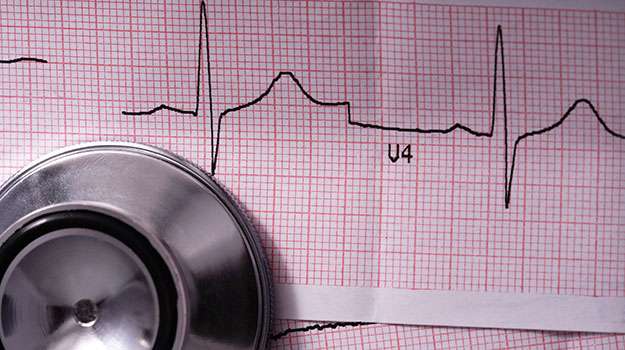
A stress test evaluates how well the heart responds to physical exertion, providing important information about its health status. It is especially useful in detecting coronary artery disease when patients experience symptoms during exercise activities.
- The most common symptoms evaluated include chest pain, breathlessness, or unusual fatigue during physical activity.
- A physician monitors the patient’s vital signs while they walk on a treadmill or pedal an exercise bike until maximum effort is reached or symptoms present themselves;
- If abnormalities occur in ECG readings during exertion, further evaluation may be needed through additional tests or procedures.
Regular stress testing allows doctors to develop personalized management plans for improving cardiovascular health based on each patient's response to exertion.
CARDIAC CATHETERIZATION
This procedure involves threading a thin tube (catheter) through blood vessels to reach the heart for diagnostic or therapeutic purposes. Cardiac catheterization plays an essential role in evaluating coronary artery diseases and other cardiac conditions.
- Symptoms prompting this test include significant chest pain or other indicators of potential blockages
- This technique helps diagnose conditions such as coronary artery disease by visualizing arteries through contrast dye under X-ray guidance.
- Treatment options may involve interventions like stent placement or balloon angioplasty during the same session if necessary.
This minimally invasive technique significantly reduces recovery time while offering detailed insights into cardiac health that inform future treatment directions effectively.
HOLTER MONITOR
A Holter monitor is a portable device worn by patients to continuously record their heart’s rhythm over 24-48 hours. This monitoring helps identify irregularities that might not be captured during a standard office visit.
- Common reasons for use include unexplained sudden fainting, palpitations, or dizziness.
- The monitor captures data on heart rate, rhythm abnormalities, and episodes of arrhythmia.
- No special preparations are needed; it’s simply attached with electrodes placed on the chest.
- Results typically lead to tailored treatment options based on findings from the recorded data.
This approach provides valuable insights into daily heart activity, aiding in accurate diagnosis and effective management strategies for various cardiovascular issues.
ECHOCARDIOGRAM
An echocardiogram is a crucial test that uses sound waves to create images of the heart's structure and function. This non-invasive diagnostic tool provides valuable information about heart health without requiring any incisions or radiation exposure.
- The main purpose is to detect issues such as valvular disease, heart murmurs, and congenital heart defects.
- Diagnosis usually includes assessing chamber size, wall motion, and blood flow through the heart.
- No special preparation is needed, making it convenient for patients.
- The results guide treatment options which may include medications or further testing if anomalies are detected.
This painless procedure offers reassurance and helps in planning effective treatments for various cardiac conditions.
CORONARY ANGIOPLASTY
Coronary angioplasty is a minimally invasive procedure used to open narrowed or blocked coronary arteries, thereby restoring blood flow to the heart. This procedure can help relieve symptoms of coronary artery disease and improve overall heart function.
- Symptoms often include chest pain, shortness of breath, and fatigue.
- The diagnosis typically involves stress testing, followed by imaging techniques like angiography.
- Treatment may involve balloon dilation and stent placement to keep the artery open.
- Patients can generally expect a quick recovery with minimal hospitalization.
- This procedure has a high success rate and can significantly improve quality of life.
By effectively managing arterial blockages, angioplasty offers many patients relief from severe cardiac symptoms and reduces the risk of heart attacks.