
Dr Vishal Sharma
About Me
Dr Vishal Sharma
MBBS
General Physician
10 Years Experience
Biography
My Clinic
OPD Hours
| Monday | Morning | 10:00 AM | - | 02:00 PM |
| Evening | 06:00 PM | - | 09:00 PM | |
| Tuesday | Morning | 10:00 AM | - | 02:00 PM |
| Evening | 06:00 PM | - | 09:00 PM | |
| Wednesday | Morning | 10:00 AM | - | 02:00 PM |
| Evening | 06:00 PM | - | 09:00 PM | |
| Thursday | Morning | 10:00 AM | - | 02:00 PM |
| Evening | 06:00 PM | - | 09:00 PM | |
| Friday | Morning | 10:00 AM | - | 02:00 PM |
| Evening | 06:00 PM | - | 09:00 PM | |
| Saturday | Morning | 10:00 AM | - | 02:00 PM |
| Evening | 06:00 PM | - | 09:00 PM | |
| Sunday | Morning | 10:00 AM | - | 02:00 PM |
| Evening | 06:00 PM | - | 09:00 PM |
Treatments
Specialised care and treatments offered
MANAGEMENT OF ACUTE RESPIRATORY INFECTIONS
The common cold and other acute respiratory infections affect breathing pathways causing coughs, sore throats or congestion. Most recover fully with supportive care but some cases require medical attention for complications prevention.
- < li >< strong > Symptoms / Causes: < / strong > Viral infections transmitted via droplets lead to symptoms including runny nose , sneezing , mild fever , throat discomfort.< / li > < li >< strong > Diagnosis: < / strong > Clinical evaluation based on symptom history ; rarely need lab tests unless bacterial infection suspected.< / li > < li >< strong > Treatment: < / strong > Rest , adequate hydration , symptomatic relief through analgesics , decongestants recommended . Antibiotics reserved only if secondary bacterial infection confirmed.< / li > < li >< strong > Expected Course: < / strong > Most improve within 7-10 days; persistent worsening requires re-evaluation.< / li >< p > Proper care combined with timely intervention minimizes complications such as pneumonia ensuring safe recovery from these common illnesses .
ROUTINE HEALTH CHECK-UPS

A comprehensive health check-up is fundamental for early detection of various diseases before symptoms appear. It supports long-term well-being by identifying risks timely.
- Main Components: Physical exam, vital signs recording including blood pressure and BMI measurements conducted systematically each visit.
- Labs Included: Blood work assessing glucose levels, kidney function tests, liver enzymes among others based on individual needs or age group guidelines.
- Counseling Provided: Guidance on nutrition habits, exercise routines tailored according to current health status aims at improving lifestyle choices effectively improving quality of life overall.
CHOLESTEROL LEVEL MONITORING

Lipid profile testing helps evaluate cholesterol levels that influence cardiovascular risk. Keeping cholesterol within healthy limits prevents heart disease and stroke.
- Causative Factors: Genetics, poor diet rich in saturated fats, lack of exercise contribute to abnormal lipid profiles.
- Testing Procedures: Blood sample analysis provides readings for LDL (bad cholesterol), HDL (good cholesterol), total cholesterol, triglycerides.
- Treatment Strategies: Dietary adjustments emphasizing fiber intake; sometimes statin drugs prescribed to reduce LDL levels effectively.
- Lifestyle Recommendations: Regular physical activity and smoking cessation improve overall lipid balance significantly over time.
A routine checkup combined with appropriate interventions lowers the risk of developing critical cardiovascular conditions related to cholesterol abnormalities.
SEASONAL INFLUENZA VACCINATION
The seasonal flu vaccine is an important preventive measure against influenza viruses that circulate during specific times of the year. It reduces the risk of severe illness and complications.
- Why Vaccinate? Influenza can cause severe respiratory symptoms especially in elderly, young children, and those with chronic conditions.
- Vaccine Types: Inactivated vaccines administered via injection; nasal spray options are also available depending on patient suitability.
- Efficacy: Annual shots are recommended as flu strains change frequently requiring updated vaccines for optimal protection.
- Side Effects: Usually mild including soreness at injection site or low-grade fever temporarily after vaccination.
A proactive vaccination approach remains one of the best ways to protect yourself and community members from seasonal influenza outbreaks.
DIABETES SCREENING AND PREVENTION
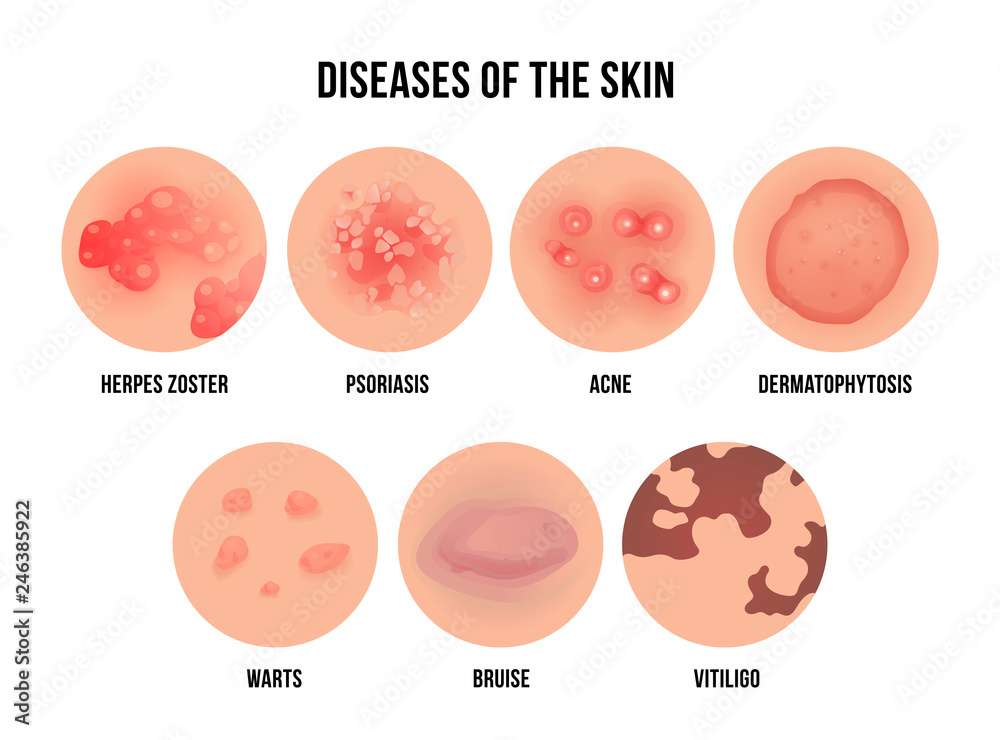
Type 2 diabetes is a metabolic disorder characterized by high blood sugar levels over an extended period. Early detection through screening can help delay or prevent the disease's progression.
- Risk Factors: Overweight, family history, sedentary lifestyle, poor diet.
- Screening Methods: Fasting blood glucose test, HbA1c measurement provide insight into blood sugar control over time.
- Lifestyle Adjustments: Emphasis on balanced nutrition and physical activity to maintain healthy weight and insulin sensitivity.
- Treatment Options: If diagnosed early, some patients may manage without medication initially through diet and lifestyle changes alone.
An early approach focusing on prevention and regular monitoring helps reduce long-term complications associated with diabetes.
HYPERTENSION MANAGEMENT
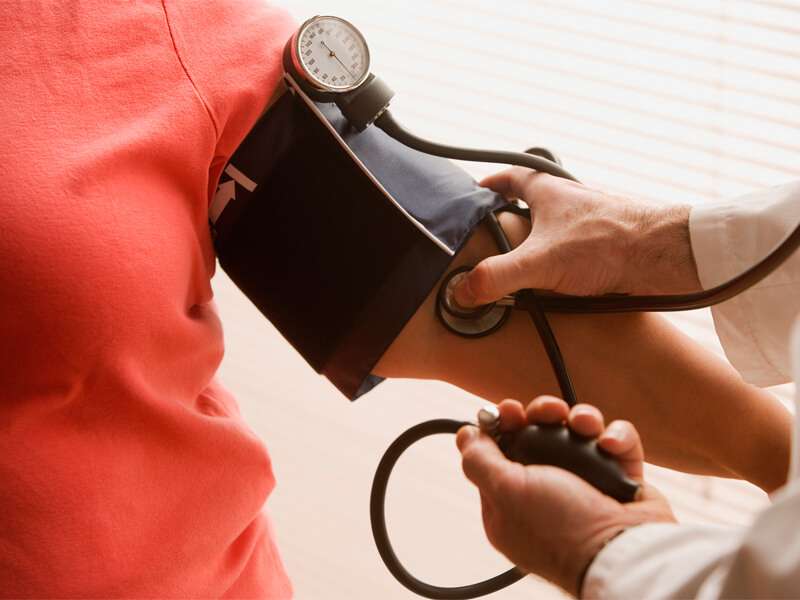
High blood pressure, or hypertension, is a common condition affecting millions worldwide. It often has no symptoms but can lead to serious health problems if left untreated.
- Causes and Symptoms: Often asymptomatic; may result from genetics, diet high in salt, obesity, stress, or sedentary lifestyle.
- Diagnosis: Regular blood pressure measurements taken at different times; ambulatory monitoring may be used for confirmation.
- Treatment and Management: Lifestyle changes such as diet modification, exercise, weight control; medications like ACE inhibitors or beta-blockers may be prescribed.
- Monitoring: Ongoing follow-up is essential to prevent complications such as heart disease or stroke.
With proper management and adherence to treatment plans, hypertension can be controlled effectively to maintain overall cardiovascular health.