
Dr Vishal Arya
About Me
Dr Vishal Arya
MBBS
General Physician
10 Years Experience
Biography
My Clinic
OPD Hours
| Monday | Morning | 10:00 AM | - | 02:00 PM |
| Evening | 06:00 PM | - | 09:00 PM | |
| Tuesday | Morning | 10:00 AM | - | 02:00 PM |
| Evening | 06:00 PM | - | 09:00 PM | |
| Wednesday | Morning | 10:00 AM | - | 02:00 PM |
| Evening | 06:00 PM | - | 09:00 PM | |
| Thursday | Morning | 10:00 AM | - | 02:00 PM |
| Evening | 06:00 PM | - | 09:00 PM | |
| Friday | Morning | 10:00 AM | - | 02:00 PM |
| Evening | 06:00 PM | - | 09:00 PM | |
| Saturday | Morning | 10:00 AM | - | 02:00 PM |
| Evening | 06:00 PM | - | 09:00 PM | |
| Sunday | Morning | 10:00 AM | - | 02:00 PM |
| Evening | 06:00 PM | - | 09:00 PM |
Treatments
Specialised care and treatments offered
RESPIRATORY HEALTH ASSESSMENT
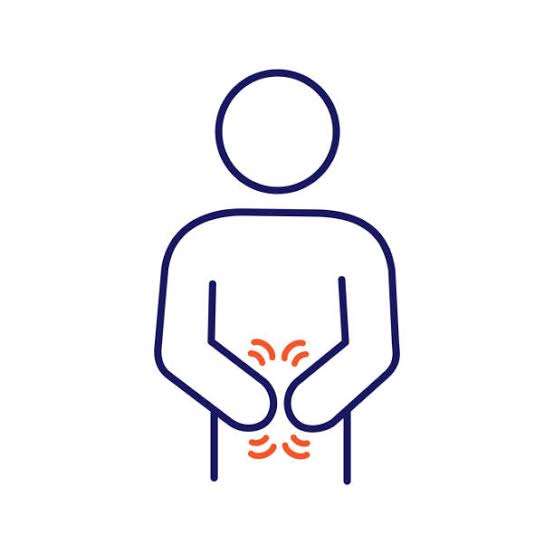
The assessment of respiratory health focuses on identifying potential issues affecting the lungs and airways — an area vital for overall wellness as breathing impacts daily life significantly.
- < l i > Symptoms might range from persistent coughs or wheezing sound upon exhalation indicating possible ailments requiring prompt attention without delay concerned patients should proactively engage with healthcare professionals sooner rather than later due any alarming signs emerging!< / l i >
CHOLESTEROL MANAGEMENT

Cholesterol management encompasses understanding lipid levels in the bloodstream that play significant roles in cardiovascular health. High cholesterol can silently elevate the risk for heart disease if not monitored correctly.
- Certain foods high in saturated fats contribute immensely towards raising low-density lipoprotein (LDL) cholesterol levels while fiber-rich diets help lower them effectively!
- Identifying those at risk typically arises through regular blood testing which assesses total cholesterol alongside HDL (good) versus LDL (bad) ratios.
- Lifestyle alterations such as increased physical activity coupled with dietary improvements serve as frontline interventions when dealing with elevated cholesterol readings.
- In more severe cases requiring intervention means incorporating medications known as statins might become necessary depending on individual circumstances assessed by qualified physicians.
- Engaging actively in one’s own care allows people not only control their heart disease risks but feel empowered about long-term well-being overall! < / l i >
Comprehending importance behind cholesterol values invites everyone irrespective their current stats as it equips them proactively safeguard future heart-related concerns effectively!
PREVENTIVE VACCINATIONS
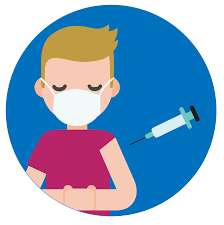
Vaccinations are a cornerstone of preventive healthcare designed to protect individuals from various infectious diseases. Staying updated with vaccinations is critical regardless of age group.
- Sicknesses like influenza or hepatitis pose significant risks but can largely be prevented through timely vaccination efforts.
- The benefits extend beyond personal protection; they help foster community immunity against outbreaks which protects vulnerable populations too.
- Assessing your vaccination history will determine what shots might still be necessary during routine medical visits; some vaccines require periodic boosters over time.
- Side effects are usually minimal; however, any concerns should always be discussed with your healthcare provider beforehand.
- By adhering to vaccination schedules framed by public health guidelines greatly lowers overall incidence of contagious diseases within society.
Prioritize staying up-to-date with immunizations — it’s a small effort that yields substantial public health dividends over time!
ANNUAL HEALTH CHECK-UP
An annual health check-up is an essential preventive measure that allows for the early detection of potential health issues. This comprehensive assessment provides valuable insights into your well-being.
- The check-up typically includes a physical examination followed by various tests that screen for conditions like hypertension and diabetes.
- Your medical history plays an essential role in determining additional tests needed based on risk factors.
- A full blood work panel may also be conducted to check cholesterol levels, liver function, and other key indicators of your overall health status.
- This proactive step includes receiving guidance on nutrition and exercise tailored specifically to individual needs for maintaining optimal health.
- The outcome is not only about addressing immediate concerns but also empowering you with knowledge regarding your health trends over time.
Making time for these check-ups each year could potentially save lives by catching problems before they advance significantly.
DIABETES SCREENING

Diabetes is a chronic condition that affects how your body processes glucose. Regular screening is crucial for early detection and management.
- A person may have no clear symptoms, making screening even more vital; however, increased thirst and frequent urination can be indicators.
- This condition arises from genetic factors combined with unhealthy lifestyle choices, including poor diet and inactivity.
- The diagnosis is typically confirmed through blood tests measuring fasting glucose or hemoglobin A1c levels.
- Treatment typically focuses on disease management, involving dietary adjustments, physical activity enhancement, and sometimes insulin therapy or oral medications as prescribed.
- Regular monitoring helps in preventing complications like neuropathy and cardiovascular diseases associated with diabetes.
Makes sure to prioritize routine screenings to ensure long-term health stability for yourself or loved ones at risk.
HYPERTENSION MANAGEMENT
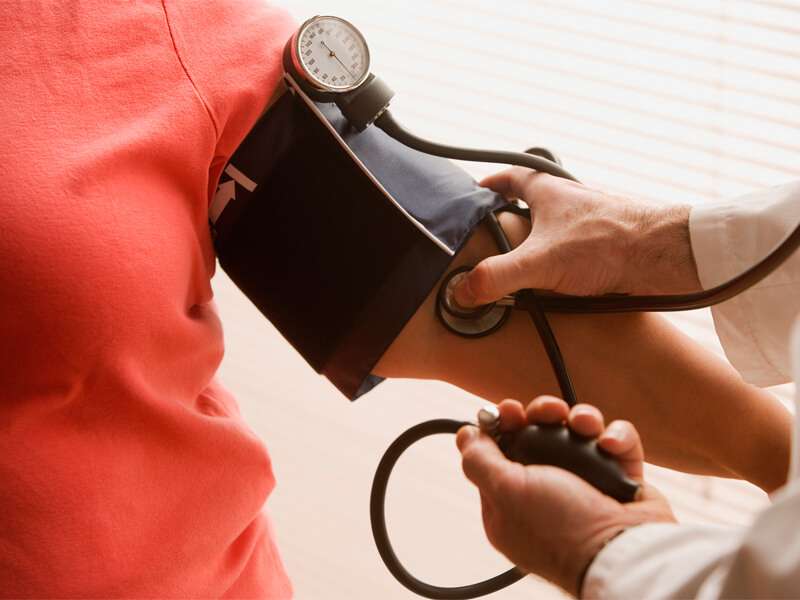
Hypertension, or high blood pressure, is a common condition that can lead to serious health issues if left untreated. It often develops over many years and can be influenced by various lifestyle factors.
- Symptoms may include headaches, shortness of breath, or nosebleeds, but many individuals experience no symptoms at all.
- Causes often relate to genetics, poor diet, lack of physical activity, and stress levels.
- Diagnosis involves regular blood pressure readings using a sphygmomanometer; monitoring at home may also be recommended.
- Treatment options include lifestyle changes such as adopting a healthy diet, reducing salt intake, exercising regularly, and medication when necessary.
- What to expect: Managing hypertension effectively reduces the risk of complications like heart disease and stroke while improving overall quality of life.
A proactive approach can significantly improve health outcomes for those affected by this silent condition.