
Dr Virendra Singh
About Me
Dr Virendra Singh
MBBS
General Physician
10 Years Experience
Biography
My Clinic
OPD Hours
| Monday | Morning | 10:00 AM | - | 02:00 PM |
| Evening | 06:00 PM | - | 09:00 PM | |
| Tuesday | Morning | 10:00 AM | - | 02:00 PM |
| Evening | 06:00 PM | - | 09:00 PM | |
| Wednesday | Morning | 10:00 AM | - | 02:00 PM |
| Evening | 06:00 PM | - | 09:00 PM | |
| Thursday | Morning | 10:00 AM | - | 02:00 PM |
| Evening | 06:00 PM | - | 09:00 PM | |
| Friday | Morning | 10:00 AM | - | 02:00 PM |
| Evening | 06:00 PM | - | 09:00 PM | |
| Saturday | Morning | 10:00 AM | - | 02:00 PM |
| Evening | 06:00 PM | - | 09:00 PM | |
| Sunday | Morning | 10:00 AM | - | 02:00 PM |
| Evening | 06:00 PM | - | 09:00 PM |
Treatments
Specialised care and treatments offered
ROUTINE HEALTH CHECK-UP
A routine health check-up is essential preventive care enabling early detection of many systemic diseases before symptoms appear. This facilitates timely intervention improving outcomes significantly.
THYROID FUNCTION TESTING

The thyroid gland regulates metabolism via hormone secretion. Disorders in thyroid function can lead to hypothyroidism or hyperthyroidism with diverse clinical symptoms affecting general health markedly.
- Spectrum of symptoms: Fatigue, weight changes, mood swings depending on underactive or overactive status;
- Labs for diagnosis: Serum TSH (thyroid-stimulating hormone), free T3/T4 levels provide definitive information;
CHRONIC OBSTRUCTIVE PULMONARY DISEASE (COPD) ASSESSMENT

COPD is a progressive lung disorder that obstructs airflow causing breathing difficulties. It primarily results from long-term exposure to irritants such as cigarette smoke or air pollution.
- Main symptoms: Chronic cough with sputum production, shortness of breath especially during exertion;
- Diagnostic tools: Pulmonary function tests (spirometry) confirm obstruction patterns alongside chest X-rays;
- Treatment components: Smoking cessation support; bronchodilators and corticosteroids relieve symptoms;
- Lifestyle adaptations: Pulmonary rehabilitation programs improve quality of life;
This condition requires ongoing management focused on symptom control and slowing progression through individualized care plans.
ANEMIA EVALUATION AND CARE
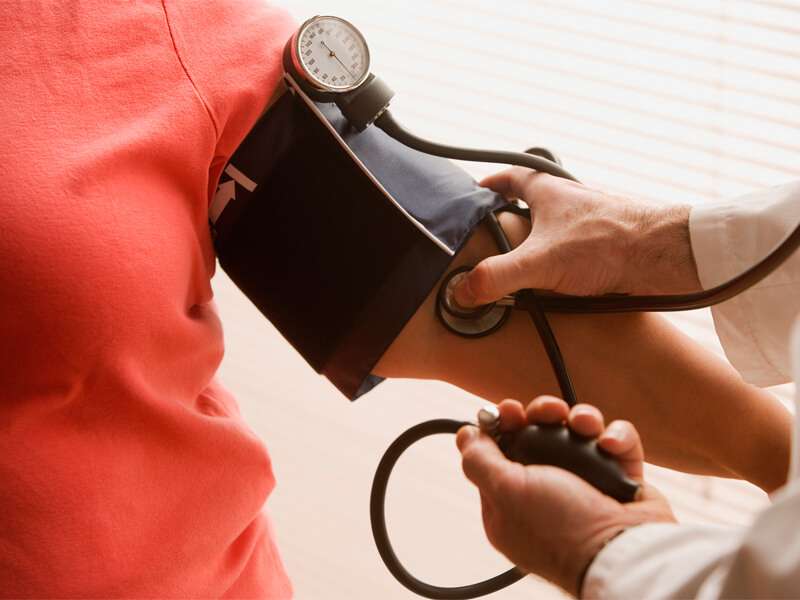
Anemia occurs when the body lacks enough healthy red blood cells to carry adequate oxygen. This condition can result from various causes including nutritional deficiencies or chronic diseases.
- Causative factors: Iron deficiency, vitamin B12 deficiency, chronic infections or bleeding disorders are common contributors.
- Diagnostic approach: Complete blood count (CBC), peripheral smear examination, ferritin levels help identify type and severity.
- Treatment modalities: Iron supplements or vitamin replacement therapy for nutritional types; addressing underlying conditions where applicable.
- Follow-up expectations: Improvement in energy levels typically occurs after weeks of proper therapy depending on the cause treated.
Anemic patients should be monitored closely to ensure resolution and prevent relapses through dietary advice and medical management tailored individually.
DIABETES MELLITUS SCREENING AND MANAGEMENT

Diabetes mellitus is a metabolic disorder characterized by elevated blood sugar levels due to insulin deficiency or resistance. Early detection plays a vital role in preventing long-term complications.
- Risk factors: Family history, obesity, sedentary lifestyle, age over 45 years.
- Diagnosis methods: Fasting blood glucose tests, HbA1c measurements, or oral glucose tolerance tests are commonly used for confirmation.
- Treatment strategies: Diet control, regular physical activity, oral hypoglycemic agents, or insulin therapy depending on severity.
- Lifelong monitoring: Blood sugar monitoring along with periodic evaluation of kidney and eye functions is crucial.
A timely diagnosis combined with comprehensive care can greatly reduce the chances of complications like neuropathy and cardiovascular disease.
HYPERTENSION MANAGEMENT

High blood pressure, or hypertension, is a common chronic condition that can lead to serious health problems if left untreated. It often has no symptoms but may cause complications affecting the heart and kidneys.
- Symptoms and causes: Often asymptomatic; risk factors include genetics, obesity, stress, high salt intake.
- Diagnosis: Multiple blood pressure readings over time using a sphygmomanometer; sometimes ambulatory monitoring.
- Treatment options: Lifestyle modifications like diet and exercise; medications such as ACE inhibitors or beta-blockers may be prescribed.
- Monitoring: Regular check-ups help assess blood pressure control and prevent complications.
- Expectations: With proper management, risks of stroke and heart disease decrease significantly.
Consistent adherence to treatment plans is essential for maintaining healthy blood pressure levels and overall well-being.