
Dr Vinay Sharma
About Me
Dr Vinay Sharma
MS
Cardiothorocic Surgeon
10 Years Experience
Biography
My Clinic
OPD Hours
| Monday | Morning | 10:00 AM | - | 02:00 PM |
| Evening | 06:00 PM | - | 09:00 PM | |
| Tuesday | Morning | 10:00 AM | - | 02:00 PM |
| Evening | 06:00 PM | - | 09:00 PM | |
| Wednesday | Morning | 10:00 AM | - | 02:00 PM |
| Evening | 06:00 PM | - | 09:00 PM | |
| Thursday | Morning | 10:00 AM | - | 02:00 PM |
| Evening | 06:00 PM | - | 09:00 PM | |
| Friday | Morning | 10:00 AM | - | 02:00 PM |
| Evening | 06:00 PM | - | 09:00 PM | |
| Saturday | Morning | 10:00 AM | - | 02:00 PM |
| Evening | 06:00 PM | - | 09:00 PM | |
| Sunday | Morning | 10:00 AM | - | 02:00 PM |
| Evening | 06:00 PM | - | 09:00 PM |
Treatments
Specialised care and treatments offered
CARDIAC PACEMAKER IMPLANTATION
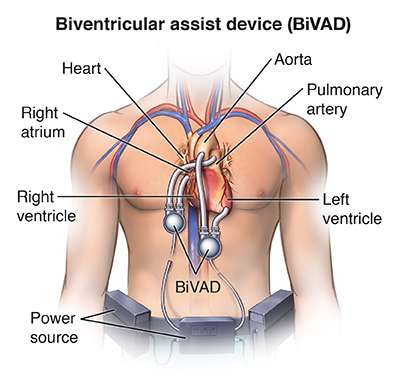
A cardiac pacemaker helps manage irregular heartbeats by sending electrical impulses that keep your heart beating regularly. This intervention becomes essential when arrhythmias cause symptoms impacting daily activities adversely.
- Indications: Signs indicating a need may include fainting spells, dizziness attributable to slow heartbeat (bradycardia), among others.
- Diagnostic Processes: Comprehensive evaluation using EKGs aids physicians pinpoint exact rhythm abnormalities warranting device implementation requirement.
- Procedure Overview: The implantation involves placing leads connected with pacemaker generator underneath skin; hospitals usually enable same-day discharge postoperative unless additional care needed arises unexpectedly.
- Lifestyle Adjustments: Following the procedure entails readjustment phases emphasizing gradual activity resumption along medical advice compliance particularly regarding wires attached externally until fully healed without complications arising post-implantation
This innovative technology supports maintaining healthy circulation patterns while fostering enhanced living capabilities among affected individuals accordingly.
LUNG CANCER SURGERY
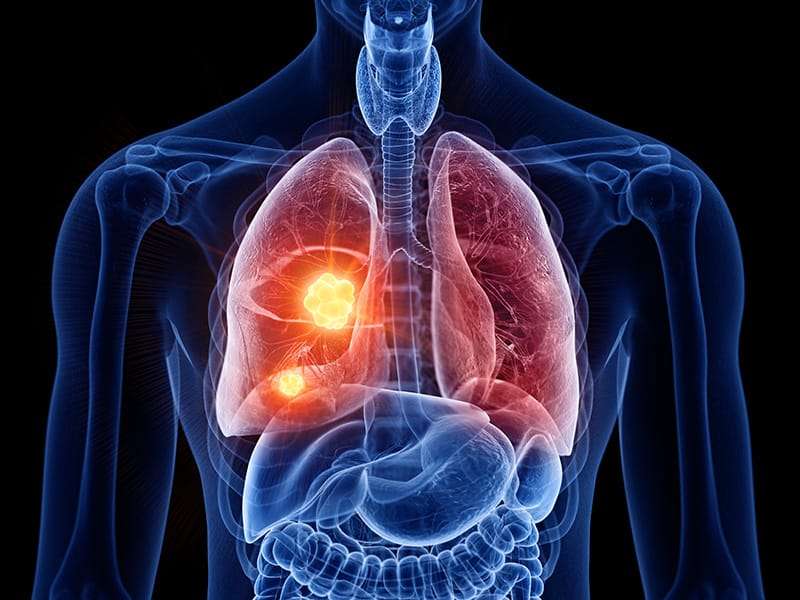
Lung cancer surgery involves removing cancerous tissues from lungs. Early detection is key for successful outcomes as it directly influences prognosis for patients diagnosed with lung cancer types such as non-small cell lung cancer (NSCLC).
- Symptoms: Symptoms might include chronic cough, coughing up blood, recurrent respiratory infections or unexplained weight loss.
- Diagnostic Methods: Tests like bronchoscopy allow doctors direct access to assess lung lesions accurately.
- Treatment Strategies: Surgery options range from lobectomy (removing part of a lung) to pneumonectomy (removing an entire lung), tailored based on tumor size/location.
- Recovery Care: Following surgery, patients will require monitoring at home along with rehabilitation efforts focusing on breathing exercises.
Proper intervention facilitates improved survival rates while enhancing overall quality of life following diagnosis.
THORACOTOMY
A thoracotomy is a surgical procedure involving an incision into the chest wall. This approach gives access to vital structures within the thoracic cavity for various diagnostic and therapeutic purposes.
- Purpose of Surgery: It may be performed for biopsies, tumor removals, or addressing trauma-related injuries in the chest area.
- Disease Indicators: Symptoms prompting this procedure could include persistent cough, unexplained weight loss, or abnormal imaging findings suggesting possible malignancy.
- Surgical Approach: This major surgery requires careful preparation and skilled techniques to minimize complications like bleeding or infection during recovery stages.
The thoracotomy provides necessary access for treatment while ensuring comprehensive management of underlying conditions affecting lung health.
AORTIC ANEURYSM REPAIR
An aortic aneurysm occurs when there is an abnormal bulging in the wall of the aorta. Repairing this condition is critical because it can lead to life-threatening ruptures if not addressed timely.
- Symptoms: Often asymptomatic, but severe pain in the chest or back can indicate rupture, requiring immediate attention.
- Diagnosis Techniques: Imaging tests such as ultrasound or CT scans are commonly used for effective diagnosis of an aneurysm's size and location.
- Surgical Options: Repairs can be done through open surgery or minimally invasive procedures such as endovascular stent grafting, depending on patient health status.
- Coping Post-Surgery: Patients should expect some limitations during recovery and must adhere to follow-up appointments for monitoring.
This procedure significantly lowers the risk of catastrophic outcomes associated with untreated aneurysms.
VALVULAR HEART DISEASE SURGERY
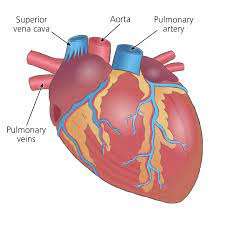
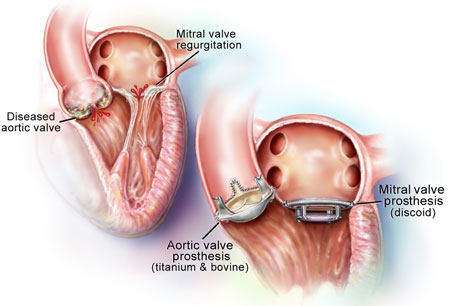
Surgical intervention for valvular heart disease addresses issues with the heart valves that may restrict blood flow. Conditions affecting the valves can lead to serious health complications if left untreated.
- Symptoms: Patients may experience fatigue, irregular heartbeat, and swelling in the legs or abdomen.
- Diagnosis: Diagnosis often includes echocardiograms and cardiac MRI to evaluate valve function and structure.
- Treatment Management: Treatment options may include valve repair or replacement depending on severity and type of valve dysfunction.
- Recovery Time: Postoperative recovery varies but generally includes lifestyle modifications and regular check-ups to monitor heart function.
This surgery aims to restore normal valve function and improve overall cardiovascular health.
CORONARY ARTERY BYPASS GRAFTING (CABG)
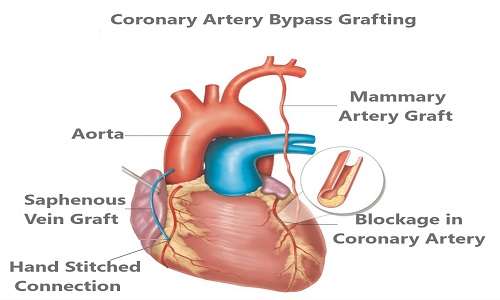
Coronary Artery Bypass Grafting is a surgical procedure used to improve blood flow to the heart. It is often recommended for patients suffering from blockages in the coronary arteries, which can lead to chest pain or heart attacks.
- Symptoms: Common symptoms include angina (chest pain), fatigue, and shortness of breath.
- Diagnosis: Diagnosis typically involves tests like echocardiograms, stress tests, and angiography to assess the condition of the coronary arteries.
- Treatment Options: CABG surgery involves creating a new pathway for blood to flow by grafting a healthy artery or vein from another part of the body.
- Post-Surgery Care: After the surgery, patients usually spend several days in recovery, and follow-up care is essential for monitoring heart health.
This treatment can significantly enhance quality of life and reduce risks of future heart-related complications.