
Dr Vinay Malhotra
About Me
Dr Vinay Malhotra
MD
Nephrologist
10 Years Experience
Biography
My Clinic
OPD Hours
| Monday | Morning | 10:00 AM | - | 02:00 PM |
| Evening | 06:00 PM | - | 09:00 PM | |
| Tuesday | Morning | 10:00 AM | - | 02:00 PM |
| Evening | 06:00 PM | - | 09:00 PM | |
| Wednesday | Morning | 10:00 AM | - | 02:00 PM |
| Evening | 06:00 PM | - | 09:00 PM | |
| Thursday | Morning | 10:00 AM | - | 02:00 PM |
| Evening | 06:00 PM | - | 09:00 PM | |
| Friday | Morning | 10:00 AM | - | 02:00 PM |
| Evening | 06:00 PM | - | 09:00 PM | |
| Saturday | Morning | 10:00 AM | - | 02:00 PM |
| Evening | 06:00 PM | - | 09:00 PM | |
| Sunday | Morning | 10:00 AM | - | 02:00 PM |
| Evening | 06:00 PM | - | 09:00 PM |
Treatments
Specialised care and treatments offered
KIDNEY TRANSPLANT
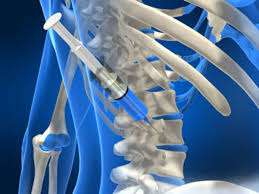
A kidney transplant involves replacing a diseased kidney with a healthy one from a donor. It offers many patients an opportunity for renewed health when other treatments fail to suffice due to advanced renal impairment.
- Candidates are typically selected based on criteria including overall health status and compatibility testing with potential donors linked through transplant programs.
- Some signs indicating the need for transplantation may include worsening symptoms of end-stage renal disease despite ongoing treatments .
- Pre-transplant evaluations involve thorough assessments including lab work , imaging studies , qualifying both donor & recipient before proceeding .
- Post-operative care encompasses regular follow-ups , anti-rejection medication regimens , ensuring optimal acceptance rates while managing potential complications .< br / >
With careful monitoring & support , many patients experience life-changing improvements following successful transplants .
HYPERTENSION MANAGEMENT IN KIDNEY PATIENTS

The management of hypertension is particularly important for patients with kidney disease. High blood pressure can worsen renal function, making effective control essential in preserving overall health.
- The association between hypertension and kidney disease means symptoms might be subtle; regular screenings are crucial even when there are no obvious signs present.
- A diagnosis typically involves repeated assessments of blood pressure readings alongside comprehensive metabolic panels to evaluate kidney status.
- Treatment may incorporate lifestyle adjustments like sodium reduction alongside antihypertensive medications tailored to the patient's specific condition.
Caring for blood pressure today goes hand-in-hand with better long-term outcomes for individuals facing chronic kidney challenges, ultimately promoting better quality of life over time.
RENAL BIOPSY

A renal biopsy is a procedure used to diagnose kidney diseases by extracting small amounts of kidney tissue for examination. It's vital when non-invasive tests are inconclusive regarding renal health issues.
- This procedure may be indicated when laboratory tests show unusual results or symptoms persist without clear explanation, such as proteinuria or hematuria.
- Differential diagnosis often involves imaging studies followed by biopsy if necessary to confirm conditions like glomerulonephritis or interstitial nephritis.
- The biopsy itself entails minimal discomfort and is typically performed using local anesthesia with imaging guidance for precision during sample collection.
- Pain management following the procedure might include over-the-counter medications along with advice about activity limitations during recovery.
A renal biopsy provides critical insights into kidney health, guiding effective treatment strategies thereafter.
DIALYSIS

Dialysis is a medical procedure that artificially removes waste products and excess fluids from the blood when kidneys cannot perform this function adequately. It's crucial for those with severe kidney dysfunction.
- A key indication for dialysis includes symptoms like severe fatigue, swelling, and shortness of breath due to fluid retention.
- The diagnosis usually involves assessing kidney function through blood tests such as BUN and creatinine levels.
- Treatment options include hemodialysis or peritoneal dialysis based on individual patient needs and lifestyle considerations.
- Patients undergoing dialysis should expect regular sessions that can vary in frequency depending on their condition’s severity.
- A supportive team will guide patients through managing dietary restrictions and medication compliance while on dialysis therapy.
This essential treatment option helps many patients maintain a good quality of life despite chronic kidney conditions.
KIDNEY STONE REMOVAL

Kidney stones are hard mineral deposits formed in the kidneys that can cause severe pain and urinary issues. Treatment often involves removal to alleviate symptoms and prevent complications.
- The most common symptom is intense pain in the side or back, often accompanied by nausea or blood in urine.
- An imaging test like a CT scan is frequently used for diagnosing the size and location of stones.
- Treatment options may include shock wave lithotripsy or ureteroscopy to break up or remove stones.
- Post-treatment care includes increased fluid intake and dietary modifications to prevent recurrence.
- Patients can expect follow-up visits to monitor their condition and adjust preventive strategies accordingly.
A comprehensive approach ensures effective management of kidney stones with reduced risk of future occurrences.
CHRONIC KIDNEY DISEASE

Chronic Kidney Disease (CKD) is a gradual loss of kidney function over time. It can result from various conditions that damage the kidneys, leading to serious health issues.
- Symptoms include fatigue, swollen ankles, and changes in urination patterns.
- Diagnosis typically includes blood tests measuring creatinine levels, urine analysis, and imaging studies.
- Treatment focuses on managing underlying conditions such as hypertension and diabetes, alongside dietary changes.
- Regular monitoring of kidney function is essential to adjusting treatment plans effectively.
- Patients can expect a tailored management plan, focusing on maintaining kidney health and preventing further decline.
Proactive management can help maintain quality of life for individuals with CKD.