
Dr Vinay Bhatt (Harmukh Clinic And Diagnostics)
About Me
Dr Vinay Bhatt (Harmukh Clinic And Diagnostics)
MD
Diabetologist
10 Years Experience
Biography
My Clinic
OPD Hours
| Monday | Morning | 10:00 AM | - | 02:00 PM |
| Evening | 06:00 PM | - | 09:00 PM | |
| Tuesday | Morning | 10:00 AM | - | 02:00 PM |
| Evening | 06:00 PM | - | 09:00 PM | |
| Wednesday | Morning | 10:00 AM | - | 02:00 PM |
| Evening | 06:00 PM | - | 09:00 PM | |
| Thursday | Morning | 10:00 AM | - | 02:00 PM |
| Evening | 06:00 PM | - | 09:00 PM | |
| Friday | Morning | 10:00 AM | - | 02:00 PM |
| Evening | 06:00 PM | - | 09:00 PM | |
| Saturday | Morning | 10:00 AM | - | 02:00 PM |
| Evening | 06:00 PM | - | 09:00 PM | |
| Sunday | Morning | 10:00 AM | - | 02:00 PM |
| Evening | 06:00 PM | - | 09:00 PM |
Treatments
Specialised care and treatments offered
PREVENTIVE FOOT CARE IN DIABETICS

Proper foot care plays an essential role in preventing complications related to diabetes. Individuals with diabetic neuropathy may not feel injuries or blisters leading them at risk for infections.
- Common complications include ulcers or infections which could escalate into more serious conditions requiring surgical intervention .
- Regular foot examinations performed by healthcare providers help identify problems early before they worsen .
- Daily self-examinations are encouraged; patients should inspect feet thoroughly for cuts , cracks , swelling , or any irregularities .
- Proper footwear choices are indicated ; shoes need adequate support while being breathable which further safeguards against injury .
- Healthy lifestyle practices such as controlling blood sugar effectively enhances overall foot health substantially reducing potential risks associated with diabetic complications .
Taking proactive measures regarding foot health significantly contributes toward minimizing adverse outcomes linked with diabetic conditions .
GESTATIONAL DIABETES
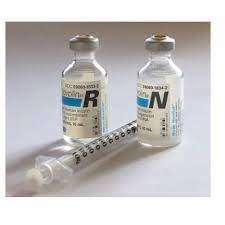
Gestational diabetes occurs during pregnancy when hormone changes affect insulin function. It poses risks for both mothers and unborn children if not managed appropriately.
- The condition often presents no clear symptoms but may be identified through routine screening around 24 weeks gestation with a glucose tolerance test.
- Treatment generally includes dietary modifications focusing on balanced nutrition while monitoring blood glucose regularly throughout pregnancy.
- For some women , medication or insulin therapy might be necessary if lifestyle changes do not suffice .
- Women are encouraged to engage in safe physical activities as advised by their healthcare provider , which contributes positively to maternal health .
- Post delivery follow-up is crucial because women who had gestational diabetes have an increased risk of developing type 2 diabetes later in life .
With adequate support , most women manage gestational diabetes successfully , leading to healthier pregnancies .
HYPERGLYCEMIC HYPEROSMOLAR STATE
The hyperglycemic hyperosmolar state (HHS) is an acute life-threatening condition characterized by extremely high blood glucose levels without significant ketone production. Immediate recognition is vital for patient safety.
- This condition commonly presents with symptoms such as severe dehydration, neurological impairment, and extreme thirst.
- A thorough assessment through laboratory testing reveals very high glucose levels alongside normal arterial pH values without ketosis.
- Treatment usually involves intensive hydration via IV fluids along with careful administration of insulin to gradually lower blood glucose levels safely.
- A comprehensive approach addressing underlying causes—like infection or other stressors—is essential for effective management post-crisis.
- Adequate follow-up care helps prevent future episodes through education on diabetes management strategies tailored to individual needs.
Patients should understand their condition better after treatment and learn steps to avoid HHS in the future.
DIABETIC NEUROPATHY
Diabetic neuropathy is a type of nerve damage that can occur in individuals with diabetes due to prolonged high blood sugar levels. It affects various parts of the body and may lead to significant discomfort.
- The main causes include chronic hyperglycemia and metabolic changes affecting nerve fibers over time.
- A diagnosis often includes a physical examination and tests to assess nerve function such as electromyography (EMG).
- Treatment options vary but typically focus on managing diabetes effectively to slow progression and alleviate symptoms using medications like pain relievers or anticonvulsants.
- Lifestyle modifications—including exercise, healthy eating, and foot care—are also critical components of managing diabetic neuropathy.
- Patients should regularly consult their healthcare provider for ongoing assessment of symptoms and treatment adjustments as necessary.
Coping strategies can help improve quality of life for those affected by this condition.
HYPOGLYCEMIA
Hypoglycemia refers to dangerously low blood sugar levels which can result from various factors including insulin overuse or inadequate food intake. Recognizing symptoms early is crucial for effective management.
- Common symptoms include dizziness, sweating, irritability, and hunger.
- A diagnosis typically involves checking blood glucose levels during symptomatic episodes.
- Treatment usually involves immediate intake of fast-acting carbohydrates like glucose tablets or sugary drinks to raise blood sugar levels quickly.
- Long-term management may require adjusting medication regimens or meal planning to prevent recurrence of low blood sugar episodes.
- Persistent cases should be closely monitored with regular check-ups to ensure safety and well-being.
Catching hypoglycemia early can prevent complications and promote better overall control of diabetes.
DIABETIC KETOACIDOSIS
Diabetic ketoacidosis (DKA) is a serious complication of diabetes that often occurs when insulin levels are insufficient. It can develop quickly and requires immediate medical attention.
- Symptoms may include excessive thirst, frequent urination, nausea, abdominal pain, and confusion.
- This condition is typically diagnosed through blood tests that check for elevated blood sugar levels, ketones in the urine, and acid-base balance.
- Treatment often involves intravenous fluids, insulin therapy, and electrolyte replacement to stabilize the patient.
- Management also includes identifying triggers such as infections or missed insulin doses to prevent future occurrences.
- Patients can expect a gradual improvement in their condition once treated effectively, but follow-up care is essential.
Timely intervention can dramatically reduce risks associated with DKA.