
Dr Vikram J Vachher
About Me
Dr Vikram J Vachher
MD
Cardiologist
10 Years Experience
Biography
My Clinic
OPD Hours
| Monday | Morning | 10:00 AM | - | 02:00 PM |
| Evening | 06:00 PM | - | 09:00 PM | |
| Tuesday | Morning | 10:00 AM | - | 02:00 PM |
| Evening | 06:00 PM | - | 09:00 PM | |
| Wednesday | Morning | 10:00 AM | - | 02:00 PM |
| Evening | 06:00 PM | - | 09:00 PM | |
| Thursday | Morning | 10:00 AM | - | 02:00 PM |
| Evening | 06:00 PM | - | 09:00 PM | |
| Friday | Morning | 10:00 AM | - | 02:00 PM |
| Evening | 06:00 PM | - | 09:00 PM | |
| Saturday | Morning | 10:00 AM | - | 02:00 PM |
| Evening | 06:00 PM | - | 09:00 PM | |
| Sunday | Morning | 10:00 AM | - | 02:00 PM |
| Evening | 06:00 PM | - | 09:00 PM |
Treatments
Specialised care and treatments offered
PERIPHERAL ARTERY DISEASE

Peripheral artery disease (PAD) occurs when narrowed arteries reduce blood flow to the limbs, often leading to pain during physical activities such as walking or climbing stairs due to insufficient oxygen delivery to muscles.
- Symptoms commonly manifest as leg cramps that occur while walking but subside with rest; additional signs include weakness or numbness in legs.
- Diagnosis may involve ankle-brachial index tests comparing blood pressure readings in arms versus legs confirming circulation issues.
- Treatment strategies include lifestyle alterations—quitting smoking being crucial—alongside medications that help improve circulation; more advanced cases might necessitate surgical interventions like bypass surgery.
Early recognition paired with proactive treatment greatly improves mobility and quality of life among individuals affected by PAD.
CHOLESTEROL MANAGEMENT
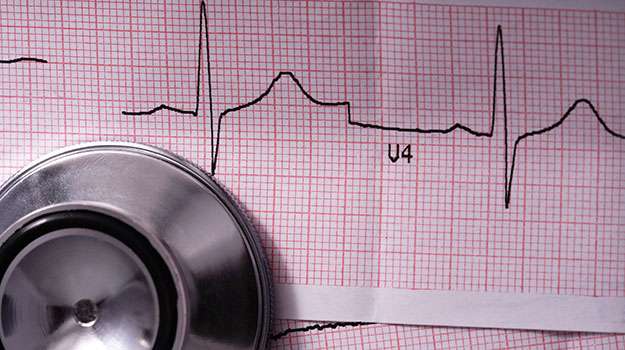
Managing cholesterol levels is vital for cardiovascular health. High levels of cholesterol can lead to plaque buildup in arteries resulting in various heart conditions over time.
- Symptoms are not always present; therefore regular screening is key for early detection.
- Diagnosis involves lipid panel tests measuring different types of cholesterol including LDL (bad) cholesterol.
- Treatment includes dietary changes focusing on lowering saturated fats intake coupled with increased physical activity; medication options are also available if lifestyle changes alone are insufficient.
- Regular follow-ups will aid in assessing progress toward maintaining optimal cholesterol levels which ultimately supports overall cardiovascular well-being.
Positive lifestyle modifications combined with medical guidance play a significant role in effective cholesterol management.
HEART FAILURE
Heart failure occurs when the heart cannot pump enough blood to meet the body’s needs. It can be a result of various factors including coronary artery disease or high blood pressure over time.
- Common signs include shortness of breath during activities or when lying down, swelling in legs or ankles, and chronic fatigue.
- A healthcare provider may use physical exams along with tests like echocardiograms to confirm the diagnosis.
- Treatment typically includes lifestyle adjustments such as reducing salt intake along with medications aimed at improving heart function and relieving symptoms.
- An effective management plan may also require monitoring fluid intake and participation in cardiac rehabilitation programs for enhanced support。
Early intervention can significantly improve outcomes for those living with heart failure.
ATRIAL FIBRILLATION
Atrial fibrillation is a common type of arrhythmia characterized by an irregular heartbeat. This condition can increase the risk of stroke and other heart-related complications if not properly managed.
- Patients may experience palpitations, dizziness, or fatigue as symptoms of this condition.
- A diagnosis is often made using an electrocardiogram (ECG) which detects abnormal heart rhythms.
- Treatment options encompass medications that restore normal rhythm or control heart rate and blood thinners to prevent clot formation.
- Lifestyle changes alongside medical therapy are essential for optimal management of atrial fibrillation to improve quality of life and reduce risks associated with it.
Your healthcare provider will work with you on a comprehensive management plan tailored to your needs.
CORONARY ARTERY DISEASE
Coronary artery disease (CAD) occurs when the coronary arteries become narrowed or blocked due to plaque buildup. This reduction in blood flow can lead to chest pain or heart attacks.
- Common symptoms include angina (chest pain), fatigue, and shortness of breath during exertion.
- Diagnosis often involves stress tests, echocardiograms, or coronary angiography to visualize blockages.
- Treatment may involve lifestyle modifications such as improving diet and increasing physical activity, alongside medications like statins.
- In some severe cases, procedures like angioplasty or bypass surgery might be required to restore proper blood flow.
Timely diagnosis and treatment are crucial for managing CAD effectively and preventing severe complications.
HYPERTENSION
Hypertension, commonly known as high blood pressure, is a condition where the force of the blood against the artery walls is consistently too high. It often develops over many years and can lead to serious health issues if left untreated.
- Symptoms may include headaches, shortness of breath, or nosebleeds, but many people have no noticeable signs.
- The condition is diagnosed through regular blood pressure readings typically taken at a healthcare facility.
- Treatment options include lifestyle changes such as diet and exercise, and medications like diuretics or ACE inhibitors.
- Regular monitoring will be necessary to ensure that blood pressure remains within a healthy range.
- A reduction in blood pressure can significantly lower the risk of heart disease and stroke.
With appropriate management, individuals with hypertension can lead healthy lives and minimize complications.