
DR VIKAS SHUKLA
About Me
DR VIKAS SHUKLA
MBBS
General Physician
10 Years Experience
Biography
My Clinic
OPD Hours
| Monday | Morning | 10:00 AM | - | 02:00 PM |
| Evening | 06:00 PM | - | 09:00 PM | |
| Tuesday | Morning | 10:00 AM | - | 02:00 PM |
| Evening | 06:00 PM | - | 09:00 PM | |
| Wednesday | Morning | 10:00 AM | - | 02:00 PM |
| Evening | 06:00 PM | - | 09:00 PM | |
| Thursday | Morning | 10:00 AM | - | 02:00 PM |
| Evening | 06:00 PM | - | 09:00 PM | |
| Friday | Morning | 10:00 AM | - | 02:00 PM |
| Evening | 06:00 PM | - | 09:00 PM | |
| Saturday | Morning | 10:00 AM | - | 02:00 PM |
| Evening | 06:00 PM | - | 09:00 PM | |
| Sunday | Morning | 10:00 AM | - | 02:00 PM |
| Evening | 06:00 PM | - | 09:00 PM |
Treatments
Specialised care and treatments offered
VIRAL UPPER RESPIRATORY TRACT INFECTION (URTI) CARE
The common cold is an acute viral infection affecting the nose and throat. Though usually mild, it requires symptomatic care to ease discomfort during recovery which typically lasts around one week.
ANEMIA DIAGNOSIS AND TREATMENT

Anemia occurs when the body lacks enough healthy red blood cells to carry oxygen efficiently. It may result from nutritional deficiencies or chronic diseases affecting red cell production or lifespan.
- Causation & Signs: Iron deficiency is most common; symptoms include fatigue, pallor, dizziness, and shortness of breath during exertion.
- Labs & Imaging for Diagnosis:
THYROID DISORDER EVALUATION
The thyroid gland regulates metabolism through hormone production. Disorders include hypothyroidism (underactive) or hyperthyroidism (overactive), each affecting bodily functions uniquely.
- Causative Factors & Symptoms: Hypothyroidism presents with fatigue and weight gain; hyperthyroidism with weight loss and irritability; autoimmune conditions are common causes.
- Diagnostic Tests: Blood tests measuring TSH, T3, T4 levels confirm thyroid function abnormalities.
- Treatment Modalities: Hormone replacement therapy addresses hypothyroidism; anti-thyroid drugs or radioiodine therapy treat hyperthyroidism depending on severity.
- Lifelong Monitoring: Regular follow-ups ensure optimal hormone balance avoiding complications like heart issues or bone loss.
A carefully tailored approach enables normal metabolic function restoration ensuring patients maintain energy levels and well-being effectively.
CHRONIC OBSTRUCTIVE PULMONARY DISEASE (COPD) SUPPORT
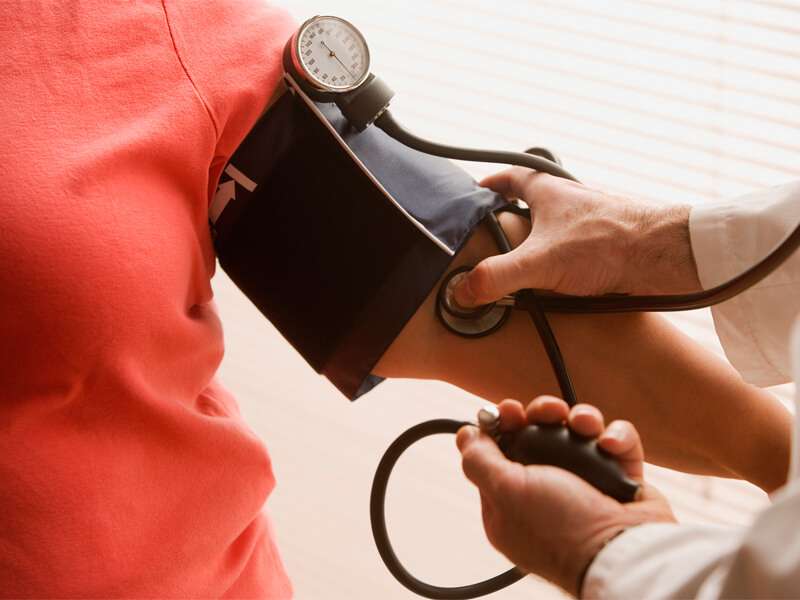
COPD is a progressive lung disease that makes breathing difficult due to airflow obstruction. It mainly affects individuals with long-term exposure to irritants like tobacco smoke.
- Main Causes & Symptoms: Persistent cough, shortness of breath, wheezing; primarily caused by smoking or air pollution exposure.
- Diagnosis Techniques: Pulmonary function tests including spirometry assess lung capacity and airflow limitation.
- Treatment Approaches: Smoking cessation is crucial; inhalers (bronchodilators), steroids, and pulmonary rehabilitation are commonly used therapies.
- Disease Management: Avoiding triggers and receiving vaccinations helps reduce exacerbations while oxygen therapy may be necessary in advanced cases.
COPD requires comprehensive care focused on symptom relief and slowing progression to improve quality of life over time.
TYPE 2 DIABETES CARE
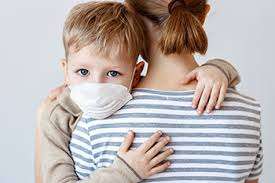
Type 2 diabetes is a metabolic disorder characterized by high blood sugar due to insulin resistance. Managing this chronic condition involves careful monitoring and lifestyle adjustments.
- Causes and Symptoms: Often linked to obesity and inactivity; symptoms include frequent urination, increased thirst, and fatigue.
- Diagnostic Methods: Blood tests such as fasting glucose and HbA1c determine diagnosis and control status.
- Treatment Plans: Incorporate a balanced diet, regular physical activity, blood sugar monitoring, and sometimes oral medications or insulin therapy.
- Lifestyle Impact: Weight management significantly improves insulin sensitivity and disease control.
- Prognosis: Early intervention reduces risks of complications like neuropathy or kidney disease.
A structured approach combining medical care with healthy habits fosters effective diabetes management for long-term wellness.
HYPERTENSION MANAGEMENT
High blood pressure, or hypertension, is a common condition that can lead to serious health problems if left untreated. It often develops over many years without noticeable symptoms but requires ongoing attention to reduce risks.
- Symptoms and Causes: Most people experience no symptoms; causes include genetics, poor diet, lack of exercise, and stress.
- Diagnosis: Regular blood pressure readings using a cuff are essential for accurate diagnosis.
- Treatment Options: Lifestyle changes such as diet and exercise, along with prescribed medications like ACE inhibitors or beta-blockers.
- Management: Routine monitoring and adherence to treatment plans help prevent complications like heart disease or stroke.
- What to Expect: With proper care, blood pressure can be controlled effectively, improving overall health.
By understanding hypertension and maintaining treatment protocols, patients can lead healthier lives free from the complications of uncontrolled high blood pressure.