
Dr Vikas Goel S
About Me
Dr Vikas Goel S
MBBS
General Physician
10 Years Experience
Biography
My Clinic
OPD Hours
| Monday | Morning | 10:00 AM | - | 02:00 PM |
| Evening | 06:00 PM | - | 09:00 PM | |
| Tuesday | Morning | 10:00 AM | - | 02:00 PM |
| Evening | 06:00 PM | - | 09:00 PM | |
| Wednesday | Morning | 10:00 AM | - | 02:00 PM |
| Evening | 06:00 PM | - | 09:00 PM | |
| Thursday | Morning | 10:00 AM | - | 02:00 PM |
| Evening | 06:00 PM | - | 09:00 PM | |
| Friday | Morning | 10:00 AM | - | 02:00 PM |
| Evening | 06:00 PM | - | 09:00 PM | |
| Saturday | Morning | 10:00 AM | - | 02:00 PM |
| Evening | 06:00 PM | - | 09:00 PM | |
| Sunday | Morning | 10:00 AM | - | 02:00 PM |
| Evening | 06:00 PM | - | 09:00 PM |
Treatments
Specialised care and treatments offered
SEASONAL ALLERGIC RHINITIS TREATMENT
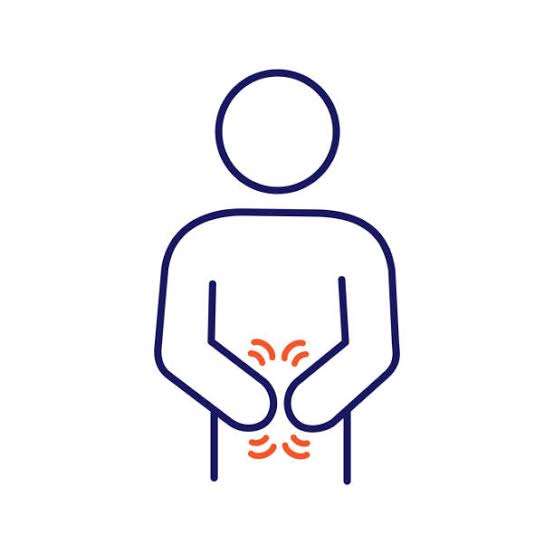
This allergic reaction affects nasal passages due to seasonal pollen exposure causing significant discomfort especially when untreated. Awareness about managing triggers aids symptom control effectively over time.
- Main features involve sneezing runny nose itchy eyes nasal congestion occurring seasonally related pollen counts increase;
GASTROENTERITIS MANAGEMENT

This common digestive ailment leads to inflammation of the stomach lining causing discomfort but is generally self-limiting. Supportive care plays a critical role here in recovery speediness without complications.
- Usual symptoms/cause include diarrhea abdominal cramping vomiting usually triggered by viral infections bacteria toxins ingestion;
ANEMIA EVALUATION AND TREATMENT

Anemia occurs when the body lacks enough healthy red blood cells. Identifying its cause is essential for targeted therapy and improving symptoms like fatigue or weakness.
- Causative factors/symptoms: Iron deficiency from poor diet or bleeding; signs include paleness, dizziness, shortness of breath upon exertion.
- Please consult your physician for diagnostic tests such as complete blood count (CBC) that confirm anemia type and severity;
- Treatment modalities: Iron supplements are commonly prescribed with dietary advice rich in iron-containing foods.
- Additionally copper & vitamin B12 may be evaluated if indicated by test results;
- The prognosis depends on causes addressed promptly avoiding adverse effects on organ functions;
- Lifestyle advice includes balanced meals enhanced with fruits/vegetables promoting better absorption;
ACUTE RESPIRATORY INFECTION CARE
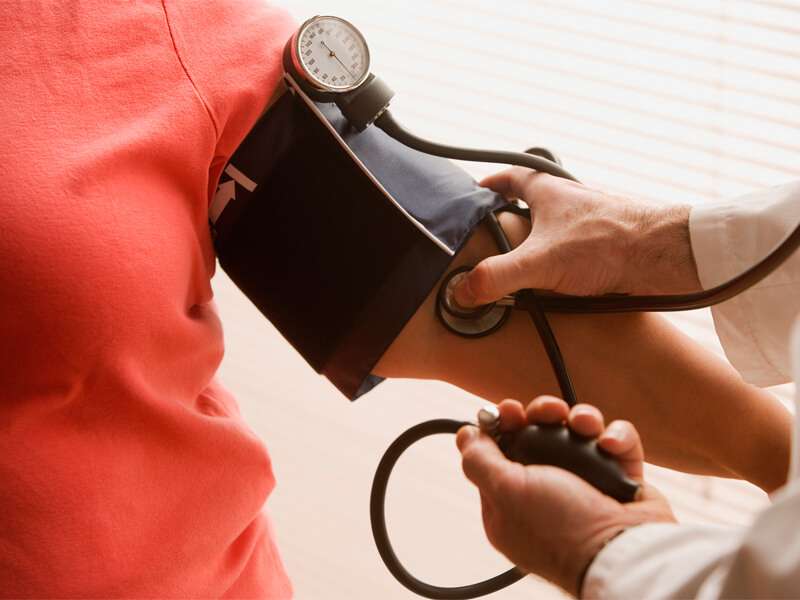
Mild to moderate respiratory infections frequently affect people worldwide. Proper care facilitates speedy recovery while minimizing risks of worsening symptoms or spread.
- Main symptoms/cause: Cough, sore throat, congestion; primarily viral infections transmitted via droplets.
- Diagnosis methods: Clinical examination with attention to symptom duration; lab tests rarely needed unless complicated cases arise.
- Treatment strategies: Symptomatic relief using hydration, rest, antipyretics; antibiotics only if bacterial infection confirmed or strongly suspected.
- Pain/fever control: Paracetamol or ibuprofen may be recommended for discomfort alleviation.
- No complications expected: Most patients recover within 7-10 days with appropriate supportive care at home.
Avoiding unnecessary antimicrobial use preserves effectiveness while ensuring patient comfort during illness episodes.
TYPE 2 DIABETES MELLITUS MONITORING

This chronic metabolic disorder affects how your body processes sugar and requires careful management to avoid complications. Early detection and control make a big difference.
- Symptoms and causes: Increased thirst, frequent urination, fatigue; caused by insulin resistance linked to genetics and lifestyle.
- Diagnosis: Blood tests including fasting glucose and HbA1c levels are key tools in identifying diabetes.
- Treatment approaches: Focus on diet changes, physical activity, oral medications or insulin therapy when needed.
- Lifestyle adjustments: Emphasize balanced nutrition, weight loss if overweight, regular exercise to enhance insulin sensitivity.
- Monitoring importance: Routine blood sugar tracking helps avoid serious complications like neuropathy or kidney issues.
Diligent care can help maintain well-controlled blood sugar levels and support long-term wellness.
HYPERTENSION MANAGEMENT
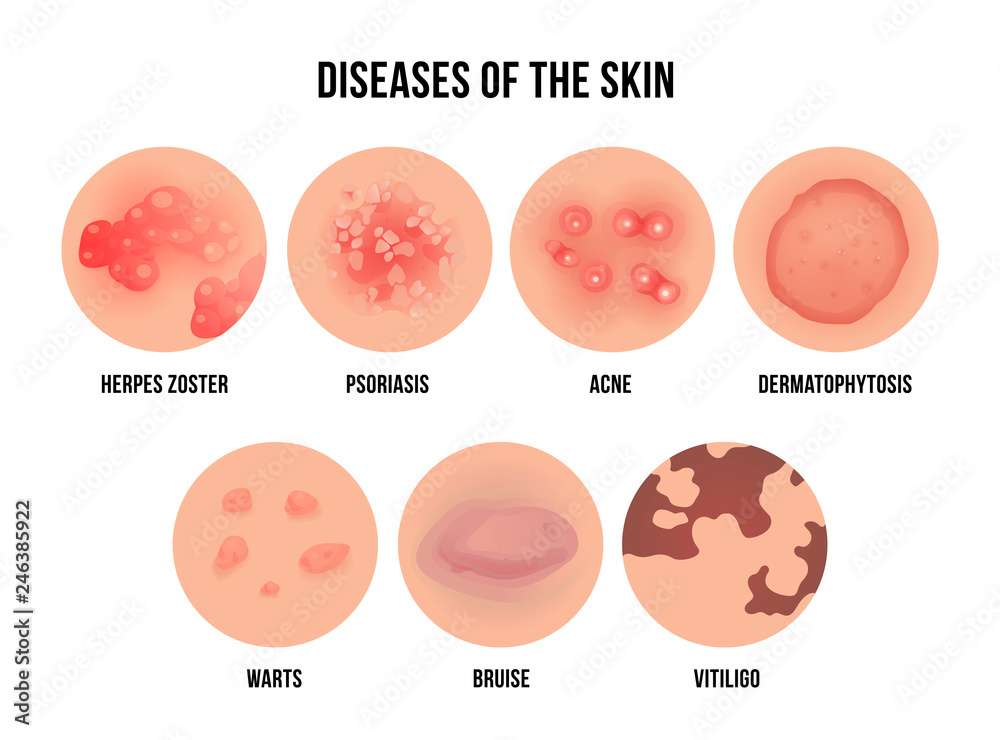
High blood pressure often develops silently but can lead to serious health issues if untreated. Managing this condition is crucial for reducing the risk of heart disease and stroke.
- Symptoms and causes: Often asymptomatic; caused by genetics, lifestyle factors like diet, stress, and obesity.
- Diagnosis: Regular blood pressure monitoring using a sphygmomanometer during routine check-ups.
- Treatment options: Lifestyle modifications such as reduced salt intake, regular exercise, weight management, along with prescribed antihypertensive medications.
- Ongoing management: Requires consistent follow-up to adjust medications and monitor for complications.
- What to expect: Improvement in blood pressure readings and overall cardiovascular health with adherence to treatment plans.
Tackling high blood pressure early can significantly improve quality of life and prevent long-term damage to vital organs.