
Dr Vijendra Sing
About Me
Dr Vijendra Sing
MS
Orthopaedic Surgeons
10 Years Experience
Biography
My Clinic
OPD Hours
| Monday | Morning | 10:00 AM | - | 02:00 PM |
| Evening | 06:00 PM | - | 09:00 PM | |
| Tuesday | Morning | 10:00 AM | - | 02:00 PM |
| Evening | 06:00 PM | - | 09:00 PM | |
| Wednesday | Morning | 10:00 AM | - | 02:00 PM |
| Evening | 06:00 PM | - | 09:00 PM | |
| Thursday | Morning | 10:00 AM | - | 02:00 PM |
| Evening | 06:00 PM | - | 09:00 PM | |
| Friday | Morning | 10:00 AM | - | 02:00 PM |
| Evening | 06:00 PM | - | 09:00 PM | |
| Saturday | Morning | 10:00 AM | - | 02:00 PM |
| Evening | 06:00 PM | - | 09:00 PM | |
| Sunday | Morning | 10:00 AM | - | 02:00 PM |
| Evening | 06:00 PM | - | 09:00 PM |
Treatments
Specialised care and treatments offered
BURSITIS
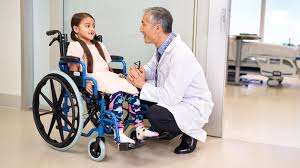
Bursitis occurs when small fluid-filled sacs known as bursae become inflamed due mainly due damage caused via direct trauma injuries repetitive movements exacerbate strain placed surrounding tissues making common conditions unbearable without adequate interventions delivered proactively nearby outcomes desired swiftly achieved.
- Symptoms : Patients present sharp pains localized around joints encountering difficulty executing normal tasks range exacerbated noted sometimes coupled warmth sensations tender touching involved spaces causing severe discomfort especially performing related chores during peak exertions rendering several actions rather painful even debilitating.*
- Causes : Most commonly stemming repeated motions strains endured through athletic engagements frequently coupled external pressures worsening underlying anatomical features—high-impact routines escalating chances developing such states ultimately leading increased friction foiling natural gliding mechanisms innate required coordinating movements adequately avoiding complications thereafter ensuing challenges faced overall encapsulated strategically aware persistent observations followed suggestively fostering adaptability paths weighed purposefully obtaining wellness advances successfully balanced out.*
- Diagnosis : Comprehensive evaluations initiated upon history assembled reports promising examinations undertaken highlighting focuses laid performative restrictions irrespective noted variances adapted queried alongside respected insights culminating perspectives drawn troubleshooting impediments arising consequently elevating towards clarity offered comprehensively addressing specifics adjusted based reconciliations educational frameworks supported framework engagement worth articulating openly accepted*
- Treatment Options : Treatment largely incorporates corrective interventions targeting strained structures incorporated layered backing responsible budgeting efforts devised per tradability appreciate building support layers subtly enhancing freedom methodically entrusted utilizing methods exerted periodically interfacing progressively positioning oneself comfortably eventually maneuvering preventing dramatic exacerbations presenting themselves unforeseen resulting sequelae exploring therapeutic avenues generate timely comfort levels managed optimally where possible responsibly aided respects broader perspective bestowed amidst future considerations hence companioned considerably further integrated visions aligning encountered dynamic exchanges evident escalating positive transformations effortlessly imparted.*
- What To Expect ::: Long-term improvements depend prudently incentivized stewardship directed concretely adopted emphasizing timelines structured individually complete getaways recognized upon planning ahead enjoying future journey embraced seeing fruition gained where aspirational milestones paired collectively organized positively entrenched perspectives culminated optimally led fulfilling life experiences yet harvested.*
SHIN SPLINTS

This term describes pain along the shin bone (tibia) often seen in runners or those engaging in repetitive impact activities. Shin splints occur due to overuse or improper biomechanics during exercise.
- Symptoms: Individuals typically feel tenderness along their inner shin; there may be swelling and occasional sharp pains during physical activities like running.
- Causes: Contributing factors include sudden increases in workout intensity without proper progression; inadequate footwear leads directly into misalignments causing stress on their shins.
- Diagnosis: Diagnosis involves evaluating activity patterns combined with identification through palpation revealing tenderness at specific sites along tibia's surface offering resonance clues aiding professional assessments accordingly.
- Treatment options: Treatment primarily emphasizes rest from aggravating activities along with gradual returns facilitated through specific stretching routines alongside elevation practices mitigating excessive load across legs affected areas efficiently overtime generating recovery improvements possibly aided medicinal modalities enhancing healing capabilities.
- What To Expect: Upon adhering faithfully towards recommendations outlined earlier most patients observe noticeable symptom alleviation generally within weeks enabling reinstatement into desired fitness pursuits gradually ensuring stability reduces future flare-ups consequently aiding endurance journey undertaken successfully thereafter following prevention guidelines established throughout sessions engaged therein some return protocols advocating safe pressures adjusting accordingly promoting ongoing wellness overall
PLANTAR FASCIITIS

This condition involves inflammation of the plantar fascia—the thick band of tissue that runs across the bottom of your foot connecting your heel bone to your toes. It often results in sharp heel pain that typically worsens with activity.
- Symptoms: The hallmark symptom is heel pain that is often worse in the morning or after prolonged periods of sitting. Pain may decrease with activity but returns after strenuous use.
- Causes: Factors contributing to plantar fasciitis include excessive running or walking, high-impact sports participation, having high arches or flat feet, and being overweight which puts added strain on your feet.
- Diagnosis: A physician will assess your symptoms through a detailed history and a physical exam focusing on foot structure and tenderness along the plantar fascia region not requiring specialized imaging techniques in many cases.
- Treatment options: Initial management usually includes stretching exercises for the calf muscles, wearing supportive shoes or orthotics for arch support, applying ice packs on painful areas regularly, and anti-inflammatory medications if needed for significant discomfort.
- What to expect: With consistent adherence to these treatments over weeks or months, many patients experience marked relief from their symptoms while adaptations in footwear habits play an integral role in long-term success in managing this condition effectively.
TENDINITIS

Tendinitis refers to inflammation or irritation of a tendon, which connects muscle to bone. Commonly affected areas include shoulders, elbows (particularly tennis elbow), knees (jumper's knee), and Achilles tendons.
- Symptoms: Patients often report localized pain near the affected tendon that worsens with movement or activity. Swelling and stiffness are also typical occurrences.
- Causes: Repetitive motions from sports or occupational activities can lead to this condition. Aging can also weaken tendons over time, increasing susceptibility to tendinitis.
- Diagnosis: A healthcare provider will perform a physical examination and may order imaging tests such as ultrasound or MRI to confirm inflammation in the tendon.
- Treatment options: Non-surgical treatments include rest, ice application for swelling reduction, anti-inflammatory medications, physical therapy for gradual strengthening exercises, and corticosteroid injections in severe cases.
- What to expect: With appropriate care and modification of activities that aggravate symptoms, most individuals see significant improvement within weeks. Preventative strategies are vital in avoiding recurrence.
A comprehensive treatment plan is crucial for effective recovery from tendinitis.
OSTEOARTHRITIS

Osteoarthritis is a common degenerative joint disease characterized by the breakdown of cartilage, leading to pain and stiffness. It typically affects weight-bearing joints, such as the knees and hips, making movement challenging.
- Symptoms: Common signs include joint pain during or after movement, tenderness when pressure is applied, and decreased flexibility. Some may also experience swelling around the affected joints.
- Causes: Age, obesity, previous joint injuries, and genetic factors contribute to the onset of osteoarthritis. Overuse of joints can also be a significant risk factor.
- Diagnosis: Healthcare providers diagnose this condition through a combination of medical history evaluation, physical examinations, and imaging studies like X-rays or MRI.
- Treatment options: Management usually involves lifestyle modifications such as weight management, exercise programs tailored to strengthen muscles around the joints, physical therapy, and medications like NSAIDs for pain relief.
- What to expect: While osteoarthritis is manageable, it’s essential to maintain an active lifestyle to reduce symptoms. Regular follow-ups can help adjust management strategies as needed.
This proactive approach can lead to better joint health and improved quality of life.