
Dr Vijay Shuklas
About Me
Dr Vijay Shuklas
MBBS
Dermatologist
10 Years Experience
Biography
My Clinic
OPD Hours
| Monday | Morning | 10:00 AM | - | 02:00 PM |
| Evening | 06:00 PM | - | 09:00 PM | |
| Tuesday | Morning | 10:00 AM | - | 02:00 PM |
| Evening | 06:00 PM | - | 09:00 PM | |
| Wednesday | Morning | 10:00 AM | - | 02:00 PM |
| Evening | 06:00 PM | - | 09:00 PM | |
| Thursday | Morning | 10:00 AM | - | 02:00 PM |
| Evening | 06:00 PM | - | 09:00 PM | |
| Friday | Morning | 10:00 AM | - | 02:00 PM |
| Evening | 06:00 PM | - | 09:00 PM | |
| Saturday | Morning | 10:00 AM | - | 02:00 PM |
| Evening | 06:00 PM | - | 09:00 PM | |
| Sunday | Morning | 10:00 AM | - | 02:00 PM |
| Evening | 06:00 PM | - | 09:00 PM |
Treatments
Specialised care and treatments offered
HYPERPIGMENTATION TREATMENTS
The darkening of certain areas of the skin known as hyperpigmentation occurs due to excess melanin production triggered by sun exposure, inflammation or hormonal changes. Common types include melasma and post-inflammatory hyperpigmentation.
ALOPECIA AREATA MANAGEMENT
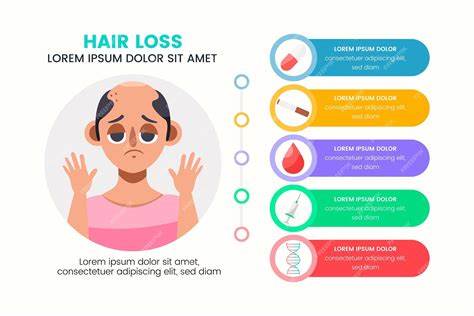
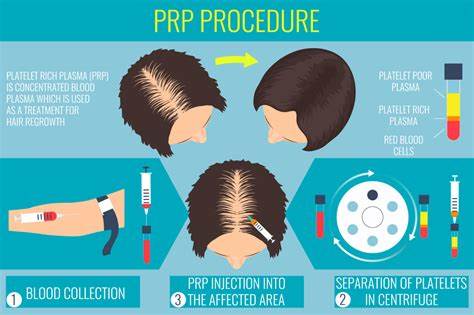
Alopecia areata is an autoimmune condition leading to patchy hair loss on the scalp or other body parts. It can affect individuals suddenly yet may resolve spontaneously in some cases over months to years.
ROSACEA SYMPTOM CONTROL
This chronic inflammatory disorder primarily affects the central face causing redness and visible blood vessels along with occasional pustules similar to acne. Triggers vary among individuals but managing them helps limit outbreaks.
- Recognition Factors: Facial flushing episodes followed by persistent redness especially on cheeks and nose; possible swelling or burning sensations;
- Evidential Diagnosis: Based on clinical appearance since no specific laboratory tests exist;
- Treatment Measures: Topical metronidazole or azelaic acid creams reduce inflammation; oral antibiotics may be advised in certain cases;
- Avoidance of Triggers: Sun exposure protection using broad-spectrum sunscreens essential; reducing alcohol intake & spicy foods helpful;
Lifelong pattern means consistent skincare plus trigger control are vital components towards minimizing symptom severity over time.
PSORIASIS CARE
Psoriasis is an autoimmune disorder causing accelerated skin cell growth resulting in thickened plaques covered by silvery scales. It often appears on elbows, knees, scalp but may affect any area.
- Main Symptoms: Red or pink patches with scaling; itching or soreness sometimes accompanies lesions.
- Diagnostic Process: Clinical exam usually confirms diagnosis; occasionally biopsy needed if unclear findings occur.
- Treatment Strategies: Use of topical corticosteroids or vitamin D analogs to slow cell proliferation; phototherapy as adjunctive treatment;
- Lifestyle Considerations: Stress reduction techniques can prevent flares; avoiding smoking and excessive alcohol intake as they worsen symptoms;
The disease follows remissions and relapses cycles but proper management can control symptoms effectively improving patient comfort considerably.
ACNE VULGARIS TREATMENT
Acne vulgaris is a widespread skin condition characterized by pimples, blackheads, and cysts predominantly on the face, chest, and back. It tends to affect adolescents but can persist into adulthood.
- Causes: Overproduction of sebum, clogged pores with dead skin cells, bacterial overgrowth (Propionibacterium acnes), hormonal fluctuations.
- Diagnosis: Visual inspection by a dermatologist suffices; severity assessment guides treatment choices.
- Treatment Options: Topical retinoids to normalize follicle cells shedding; benzoyl peroxide for antibacterial effects; oral antibiotics in severe cases; hormonal therapies for females when appropriate.
- Lifestyle Modifications: Gentle cleansing twice daily; avoiding heavy cosmetics; balanced diet may reduce flare-ups though evidence varies.
This condition requires patience as treatments take weeks to months for visible results. Adherence to prescribed regimens enhances outcomes while minimizing scarring risks.
ECZEMA MANAGEMENT
Eczema is a common inflammatory skin condition that causes red, itchy, and dry patches on the skin. It is a chronic issue often linked to genetic and environmental factors.
- Symptoms and Causes: Persistent itching, redness, swelling, and cracked skin; triggers include allergens, irritants, and stress.
- Diagnosis: Usually diagnosed through physical examination and medical history review; patch testing may be used to identify allergens.
- Treatment Approaches: Emollients to maintain moisture, topical corticosteroids to reduce inflammation, antihistamines for itch relief.
- Lifestyle Management: Avoiding known irritants like harsh soaps or detergents, maintaining a regular moisturizing routine, managing stress levels.
- Prognosis: While eczema can be persistent, symptoms often improve markedly with consistent care and trigger avoidance.
A proactive approach involving skin hydration and careful management of potential irritants can significantly improve quality of life for those affected by eczema.