
DR Vijay Gupta
About Me
DR Vijay Gupta
MBBS
General Physician
10 Years Experience
Biography
My Clinic
OPD Hours
| Monday | Morning | 10:00 AM | - | 02:00 PM |
| Evening | 06:00 PM | - | 09:00 PM | |
| Tuesday | Morning | 10:00 AM | - | 02:00 PM |
| Evening | 06:00 PM | - | 09:00 PM | |
| Wednesday | Morning | 10:00 AM | - | 02:00 PM |
| Evening | 06:00 PM | - | 09:00 PM | |
| Thursday | Morning | 10:00 AM | - | 02:00 PM |
| Evening | 06:00 PM | - | 09:00 PM | |
| Friday | Morning | 10:00 AM | - | 02:00 PM |
| Evening | 06:00 PM | - | 09:00 PM | |
| Saturday | Morning | 10:00 AM | - | 02:00 PM |
| Evening | 06:00 PM | - | 09:00 PM | |
| Sunday | Morning | 10:00 AM | - | 02:00 PM |
| Evening | 06:00 PM | - | 09:00 PM |
Treatments
Specialised care and treatments offered
THYROID DISORDER ASSESSMENT
The thyroid gland plays a crucial role in regulating metabolism. Disorders such as hypothyroidism or hyperthyroidism affect multiple body systems but can be well managed once diagnosed correctly.
GASTROESOPHAGEAL REFLUX DISEASE (GERD) TREATMENT

This digestive disorder occurs when stomach acid frequently flows back into the esophagus causing irritation. Understanding triggers helps patients manage symptoms effectively at home plus medical support if needed eventually improves quality of life substantially.
- Main symptoms and causes: Heartburn sensation after meals or lying down caused by weak lower esophageal sphincter muscle tone or obesity.
- Diagnostic criteria:Pain history evaluation complemented by upper endoscopy or pH monitoring if necessary confirm diagnosis accurately
CORONARY ARTERY DISEASE EVALUATION

This condition involves narrowing of the coronary arteries leading to reduced blood flow to the heart muscle. Awareness of risk factors enables timely intervention for better outcomes.
- Causative factors and indicators: Atherosclerosis driven by high cholesterol, smoking; chest pain or angina are typical warning signs.
- Diagnostic tools used: Electrocardiograms (ECG), stress tests, coronary angiography provide detailed insights into severity.
- Treatment options available: Medication including antiplatelets/statins; lifestyle change recommendations; angioplasty or bypass surgery in advanced cases.
A proactive management approach combining medication adherence with healthy habits reduces the chance of heart attacks significantly.
CHRONIC OBSTRUCTIVE PULMONARY DISEASE (COPD) MANAGEMENT
COPD is a progressive lung disease that makes breathing increasingly difficult. Early recognition and proper care can improve patient wellbeing significantly.
- Main causes and signs: Long-term smoking exposure is the primary cause; symptoms include chronic cough, wheezing, shortness of breath.
- Diagnosis process: Pulmonary function tests and imaging studies assist in confirming severity.
- Treatment modalities: Bronchodilators, corticosteroids inhalers, pulmonary rehabilitation programs are key components.
- Lifestyle advice: Smoking cessation is critical; physical activity tailored to tolerance enhances lung capacity.
The goal is to slow disease progression while maximizing respiratory function for improved daily activities.
TYPE 2 DIABETES MELLITUS CARE

This metabolic disorder affects the body’s ability to regulate blood sugar properly. Managing type 2 diabetes effectively can minimize serious complications.
- Causes and symptoms: Insulin resistance often linked to obesity; symptoms include increased thirst, frequent urination, fatigue.
- Diagnostic methods: Blood tests such as fasting glucose and HbA1c levels confirm diagnosis.
- Treatment strategies: Emphasis on lifestyle modification with diet control and exercise; oral hypoglycemic agents or insulin therapy when necessary.
- Monitoring approach: Regular blood sugar testing is important to adjust therapy and avoid hypoglycemia or hyperglycemia episodes.
A comprehensive care plan tailored to individual needs helps maintain stable blood glucose levels and prevents organ damage over time.
HYPERTENSION MANAGEMENT

High blood pressure, or hypertension, is a common condition that requires careful management to prevent long-term complications. It often develops gradually and may not show symptoms initially, making regular monitoring essential.
- Symptoms and causes: Often asymptomatic; risk factors include genetics, diet high in salt, obesity, and stress.
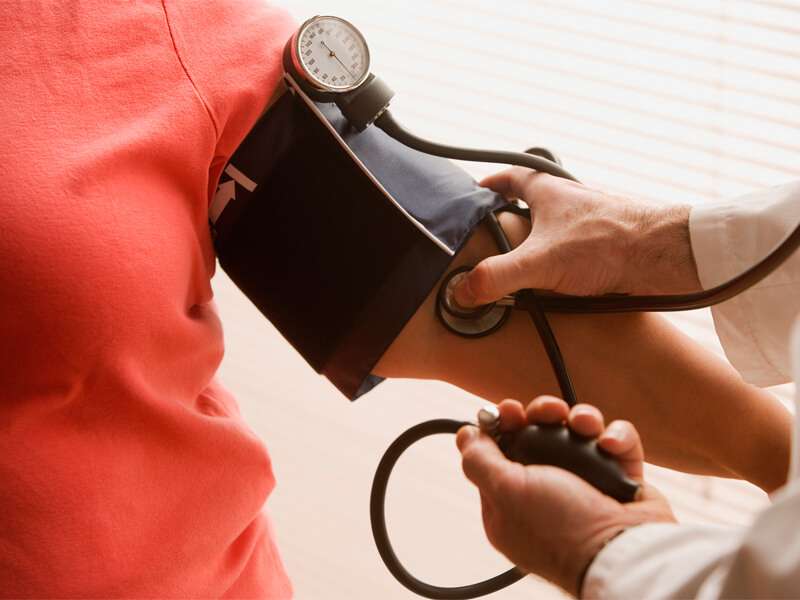
- Diagnosis: Confirmed through repeated blood pressure measurements using a sphygmomanometer over multiple visits.
- Treatment options: Lifestyle changes such as dietary modifications, exercise, weight management; medications including ACE inhibitors, beta-blockers as prescribed.
- Management expectations: Ongoing monitoring is vital; effective control reduces risks of heart disease and stroke.
Consistency in treatment adherence and periodic assessment ensures better overall cardiovascular health and quality of life for those affected by hypertension.