
Dr Vedpati Mishra
About Me
Dr Vedpati Mishra
MS
Orthopaedic Surgeons
10 Years Experience
Biography
My Clinic
OPD Hours
| Monday | Morning | 10:00 AM | - | 02:00 PM |
| Evening | 06:00 PM | - | 09:00 PM | |
| Tuesday | Morning | 10:00 AM | - | 02:00 PM |
| Evening | 06:00 PM | - | 09:00 PM | |
| Wednesday | Morning | 10:00 AM | - | 02:00 PM |
| Evening | 06:00 PM | - | 09:00 PM | |
| Thursday | Morning | 10:00 AM | - | 02:00 PM |
| Evening | 06:00 PM | - | 09:00 PM | |
| Friday | Morning | 10:00 AM | - | 02:00 PM |
| Evening | 06:00 PM | - | 09:00 PM | |
| Saturday | Morning | 10:00 AM | - | 02:00 PM |
| Evening | 06:00 PM | - | 09:00 PM | |
| Sunday | Morning | 10:00 AM | - | 02:00 PM |
| Evening | 06:00 PM | - | 09:00 PM |
Treatments
Specialised care and treatments offered
CARPAL TUNNEL RELEASE
This surgical procedure aims to relieve pressure on the median nerve located in the wrist by creating space in the carpal tunnel. It is commonly recommended for patients experiencing symptoms associated with carpal tunnel syndrome such as numbness or tingling sensations in fingers/hand due primarily due repetitive strain injuries over time.
- Symptoms typically manifest as nighttime hand discomfort along with weakness during gripping tasks reflecting functional impairment linked directly back towards median nerve entrapment caused usually from inflammation within tunnel areas.
- Diagnosis generally includes thorough clinical assessments supplemented through nerve conduction studies confirming presence severity problems established prior recommending interventional approaches accordingly.
- Non-surgical strategies utilizing splints corticosteroid injections may assist temporarily management yet failing sufficient symptom relief leads toward considering releasing structures constricting nerves followed by surgical means thereafter ensuing satisfactory results seen consistently among patients fulfilling desired expectations post-procedure completion indeed.
Effective postoperative care remains critical involving follow-up appointments allowing progressive exercises undertaken ensuring smooth transitions returning everyday activities sought after duly!
SPINAL FUSION

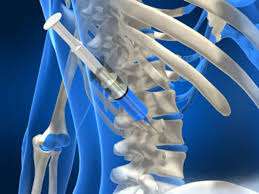
Spinal fusion is a surgical procedure designed to join two or more vertebrae together in your spine. The primary goal is to eliminate movement between these bones which often contributes to chronic back pain or instability issues.
- This condition frequently presents as persistent lower back pain radiating into legs; providing signs like numbness or weakness could indicate nerve compression from spinal issues requiring attention sooner rather than later.
- Diagnosis usually utilizes advanced imaging techniques such as MRI alongside comprehensive clinical evaluations by orthopedic specialists.
- Treatment plans initially incorporate non-invasive methods including medications, physical therapy before considering fusion when conservative treatments prove ineffective& nbsp;
- During spinal fusion surgeries, grafts will be placed between vertebrae along with hardware installation potentially enhancing stability accordingly& nbsp;
Post-operative care often includes rehabilitation focused on restoring strength while adhering closely to activity restrictions until full recovery has been achieved& nbsp;
HIP REPLACEMENT

The hip replacement procedure involves replacing a damaged hip joint with artificial components. It is typically recommended for patients suffering from severe arthritis or degenerative joint diseases when other treatments have failed to provide relief.
- The principal symptoms prompting consideration include intense pain during movement, limited hip mobility, and persistent stiffness that interferes with daily activities.
- A healthcare professional employs physical examinations combined with X-ray imaging to evaluate the severity of hip damage accurately.
- Treatment approaches usually start conservatively; however, if pain persists despite medication or therapy, surgical options like total hip replacement become essential.
- The surgery entails removing the damaged bone and cartilage before inserting prosthetic devices into the joint area for enhanced function.
After surgery, most patients observe considerable improvements in their quality of life through reduced pain levels and increased mobility once they complete their rehabilitation program effectively.
SHOULDER SURGERY

Shoulder surgery encompasses various procedures aimed at addressing complex shoulder disorders. These may include rotator cuff repairs or shoulder stabilization operations for recurrent dislocations.
- Pain during overhead motions along with weakness or instability may indicate a need for evaluation by an orthopedic specialist.
- A combination of physical exams and imaging studies like
ARTHROSCOPY

Arthroscopy is a minimally invasive surgical technique used to diagnose and treat joint issues. This procedure can reveal specific problems inside the joint while causing less damage to surrounding tissues.
- This technique addresses conditions such as meniscal tears or ligament injuries, typically presenting as swelling or ongoing pain.
- A thorough assessment using MRI scans may be performed to pinpoint injuries prior to surgery.
- Treatment through arthroscopy often includes repairing damaged tissues using specialized instruments inserted through small incisions.
- The benefits include reduced recovery time compared to open procedures and minimal scarring.
- Post-surgery rehabilitation will involve targeted exercises aimed at regaining strength and flexibility in the affected joint.
This effective approach allows for quicker return to daily activities with less discomfort post-operation.
TOTAL KNEE REPLACEMENT

Total knee replacement is a surgical procedure aimed at relieving pain and restoring function in severely diseased knee joints. It may be considered when conservative treatments fail to alleviate symptoms.
- Symptoms include severe pain, stiffness, and decreased mobility in the knee.
- The condition is diagnosed through X-rays and physical examinations that assess joint damage.
- Treatment often begins with physical therapy, medications, and lifestyle changes; however, surgery may be necessary when these options are ineffective.
- During the procedure, damaged bone and cartilage are removed and replaced with artificial components.
- Post-operative recovery involves rehabilitation, which is crucial for maximizing function.
This intervention can significantly improve quality of life for those suffering from debilitating knee conditions.