
Dr V P Singh
About Me
Dr V P Singh
MS
Orthopaedic Surgeons
10 Years Experience
Biography
My Clinic
OPD Hours
| Monday | Morning | 10:00 AM | - | 02:00 PM |
| Evening | 06:00 PM | - | 09:00 PM | |
| Tuesday | Morning | 10:00 AM | - | 02:00 PM |
| Evening | 06:00 PM | - | 09:00 PM | |
| Wednesday | Morning | 10:00 AM | - | 02:00 PM |
| Evening | 06:00 PM | - | 09:00 PM | |
| Thursday | Morning | 10:00 AM | - | 02:00 PM |
| Evening | 06:00 PM | - | 09:00 PM | |
| Friday | Morning | 10:00 AM | - | 02:00 PM |
| Evening | 06:00 PM | - | 09:00 PM | |
| Saturday | Morning | 10:00 AM | - | 02:00 PM |
| Evening | 06:00 PM | - | 09:00 PM | |
| Sunday | Morning | 10:00 AM | - | 02:00 PM |
| Evening | 06:00 PM | - | 09:00 PM |
Treatments
Specialised care and treatments offered
CARPAL TUNNEL RELEASE
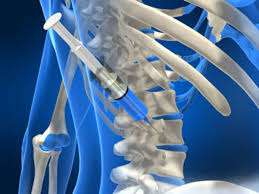
Carpal tunnel release is a common surgical procedure aimed at alleviating pressure on the median nerve compressed within the wrist's carpal tunnel. Patients suffering from this condition may experience tingling sensations or weakness in their hands due to repetitive stress injuries from tasks requiring intense wrist use over extended periods
- Typical symptoms associated tend predominantly arise including nighttime numbness radiating throughout fingers coupled alongside debilitating hand fatigue limiting various basic functionalities encountered !
- Determining right diagnostic pathway necessitates physician assessments integrated via electromyography procedures identifying nerve dysfunction rates stemming directly out compression agents compressing surrounding tissues causing detrimental impacts towards functionality!
- Surgical management offers reliable alternatives ranging anywhere between traditional incision technique versus endoscopic means presenting improved outcome ratios while allowing quicker recovery privileges granted afterward owing less trauma inflicted onto relevant structures.
- Post-operative recommendations generally encompass avoiding hand strain ensuring regular follow-up visits coordinating therapies fostering proper healing cycles being essential ongoing management required transition smoothly back into habitual engagements again providing ample support enhancing overall resilience !
- Most people find remarkable relief shortly following operations leading eventually transitioning seamlessly resuming daily commitments successfully transferring ease acquired skills previously lost safely !
This approach yields tremendous opportunities facilitating restored hand functionalities significantly impacting individual lifestyles thereby enriching normal rhythms resumed thereafter over time!
ANKLE STABILIZATION SURGERY
Ankle stabilization surgery aims at correcting instability caused by recurrent ankle sprains or ligament tears. This condition hampers daily activities due to mobility restrictions and persistent discomfort following injuries sustained during sports or accidents
- The most common symptoms experienced include ankle swelling, frequent rolling over while walking on uneven surfaces, alongside localized tenderness around ligaments affected areas
- Diagnosis primarily relies upon clinical evaluations supported through imaging methods like X-rays determining bony structure integrity before proceeding further.
- Management might consist either conservative routes such as bracing & physiotherapy OR advancing towards surgical interventions applying reconstructive techniques repairing damaged ligaments directly restoring function & stability sustainably over time !
- Post-operative guidance emphasizes gradual mobilization exercises focusing on proprioception re-training ensuring minimal risks leading into future reinjuries !
- Patients can usually anticipate satisfactory outcomes during long-term follow-ups following effective rehab protocols assuring they regain confidence when returning recreational pursuits!
This refined approach holds promise against emphasizing athletic performance whilst minimizing chances concerning future related incidents down track ahead!
SPINAL FUSION SURGERY

Spinal fusion surgery is employed to join two or more vertebrae together permanently. This procedure aims to eliminate pain caused by motion between vertebrae due to conditions like degenerative disc disease or scoliosis.
- Symptoms frequently include chronic back pain, discomfort during movement, or neurological issues like numbness or tingling in limbs.
- A thorough diagnosis typically requires medical history reviews along with imaging tests including CT scans or MRIs for assessment of spinal alignment and condition severity.
- Treatment options might involve bone grafting materials combined with hardware such as screws and rods to stabilize the spine during healing.
- The recovery phase requires close follow-up care where rehabilitation focuses on strengthening back muscles cautiously without straining the spine initially.
- Pain relief can be significant post-surgery, leading many patients back towards their normal activities within weeks after proper rehabilitation care!
This surgical option can provide lasting solutions for alignment-related issues while enhancing overall spinal stability over time
ROTATOR CUFF REPAIR

A rotator cuff repair is performed to address tears in the rotator cuff, a group of muscles and tendons that stabilize the shoulder. This condition often leads to significant discomfort and limitations in shoulder movement.
- Patients often experience shoulder pain, weakness when lifting objects, or difficulty reaching overhead.
- An accurate diagnosis may involve physical examinations complemented by imaging tests such as MRI or ultrasound scans.
- Surgical options can range from arthroscopic repairs using small instruments to open surgeries for more extensive tears.
- Post-surgery rehabilitation is crucial for regaining strength and range of motion through targeted exercises guided by a therapist.
- Although recovery times vary, many patients report substantial improvements within months following surgery.
This procedure represents a powerful method for restoring shoulder function and alleviating pain associated with rotator cuff injuries.
TOTAL HIP REPLACEMENT

Total hip replacement is a surgical procedure designed to replace a damaged hip joint with an artificial one. This procedure is typically recommended for patients suffering from severe arthritis or hip injuries that limit mobility.
- Common symptoms include chronic pain, stiffness, and reduced range of motion in the hip joint.
- Diagnosis often includes a comprehensive evaluation of symptoms along with X-rays or MRIs to assess joint damage.
- The treatment may involve both surgical intervention and post-operative rehabilitation exercises to restore function.
- During recovery, most patients will engage in physical therapy for optimal results and quicker return to daily activities.
- The average hospital stay is usually 2-3 days, with many patients noticing significant improvements shortly after surgery.
This surgery can greatly enhance quality of life by relieving pain and improving mobility in individuals affected by hip joint disorders.
KNEE ARTHROSCOPY

Knee arthroscopy is a minimally invasive surgical procedure used to diagnose and treat various issues within the knee joint. This technique allows surgeons to visualize the internal structures of the knee using a small camera inserted through tiny incisions.
- Symptoms may include persistent knee pain, swelling, or difficulty in movement.
- Diagnosis typically involves a physical examination along with imaging studies like MRI or X-rays.
- Treatment can vary from trimming damaged cartilage to repairing ligaments or removing loose bodies.
- Recovery often involves physical therapy to restore strength and mobility in the joint.
- Patients can expect minimal scarring and shorter recovery times compared to traditional open surgery.
This innovative approach has significantly enhanced patient outcomes by reducing recovery time and postoperative complications.