
Dr V K Singhal Nehru Nagar
About Me
Dr V K Singhal Nehru Nagar
MS
Ophthalmologist
10 Years Experience
Biography
My Clinic
OPD Hours
| Monday | Morning | 10:00 AM | - | 02:00 PM |
| Evening | 06:00 PM | - | 09:00 PM | |
| Tuesday | Morning | 10:00 AM | - | 02:00 PM |
| Evening | 06:00 PM | - | 09:00 PM | |
| Wednesday | Morning | 10:00 AM | - | 02:00 PM |
| Evening | 06:00 PM | - | 09:00 PM | |
| Thursday | Morning | 10:00 AM | - | 02:00 PM |
| Evening | 06:00 PM | - | 09:00 PM | |
| Friday | Morning | 10:00 AM | - | 02:00 PM |
| Evening | 06:00 PM | - | 09:00 PM | |
| Saturday | Morning | 10:00 AM | - | 02:00 PM |
| Evening | 06:00 PM | - | 09:00 PM | |
| Sunday | Morning | 10:00 AM | - | 02:00 PM |
| Evening | 06:00 PM | - | 09:00 PM |
Treatments
Specialised care and treatments offered
PTERYGIUM
Pterygium is a growth on the conjunctiva—a thin membrane covering the white part of the eyeball—that can extend over the cornea. Located typically near where the sclera meets the cornea—often referred to as ‘surfer's eye’ due to sun exposure being a significant risk factor—it can cause discomfort if it grows large enough.
RETINAL DETACHMENT

A serious medical emergency where the retina separates from its underlying supportive tissue—retinal detachment often leads to permanent vision loss without prompt treatment. Risk factors include age-related changes or severe myopia among others.
- Symptoms: The sudden appearance of floaters and flashes of light can indicate detachment; patients might also report shadows obstructing parts of their vision.
MACULAR DEGENERATION

Aging often leads to macular degeneration (AMD), a condition affecting central vision due to damage to the macula—the part of the retina responsible for sharp sight. There are two forms: dry (more common) and wet (more severe).
- Symptoms: Patients may notice gradual loss of central vision or distortion in straight lines—common indicators that something may be amiss with macular health.
- Diagnosis: An ophthalmologist conducts visual acuity tests along with imaging techniques like optical coherence tomography (OCT) for detailed views of retinal structures
DIABETIC RETINOPATHY

This eye condition affects individuals with diabetes and results from high blood sugar damaging the retinal blood vessels. It can manifest at any stage of diabetes and is a leading cause of blindness in adults if left untreated.
- Symptoms: Early on, there may be no symptoms; as it progresses, individuals might experience blurred or wavy vision and floaters in their field of view.
- Diagnosis: A dilated eye exam is critical for identifying changes in retinal blood vessels caused by diabetes through comprehensive evaluations of the retina's health.
- Treatment Options: Options include laser surgery to reduce swelling for some patients or injections into the eye that help manage inflammation and promote better fluid circulation.
- Management: Keeping blood sugar levels under control significantly reduces risk; routine check-ups are essential for managing diabetic retinopathy effectively.
If you have diabetes, it's vital to get regular eye exams to catch any signs of diabetic retinopathy early when treatment options are most effective.
GLAUCOMA
Glaucoma encompasses a group of conditions that damage the optic nerve, often due to increased intraocular pressure. This progressive disease can lead to irreversible vision loss if not diagnosed and managed promptly.
- Symptoms: Early stages usually present no symptoms; however, advanced glaucoma may cause peripheral vision loss and blindness.
- Diagnosis: Diagnosis involves an eye exam that measures intraocular pressure, assesses optic nerve damage, and evaluates peripheral vision.
- Treatment Options: Treatments may include prescription eye drops that lower pressure, laser treatments to improve drainage of fluid from the eye, or surgery in more severe cases.
- Management: Regular follow-ups are crucial for monitoring pressure levels and adapting treatment plans based on individual needs.
- Expectations: With appropriate management, many individuals maintain their vision; adherence to prescribed therapies is key in preventing progression.
If you're concerned about glaucoma risk factors or family history, consider scheduling an examination as early detection greatly enhances treatment effectiveness.
CATARACTS
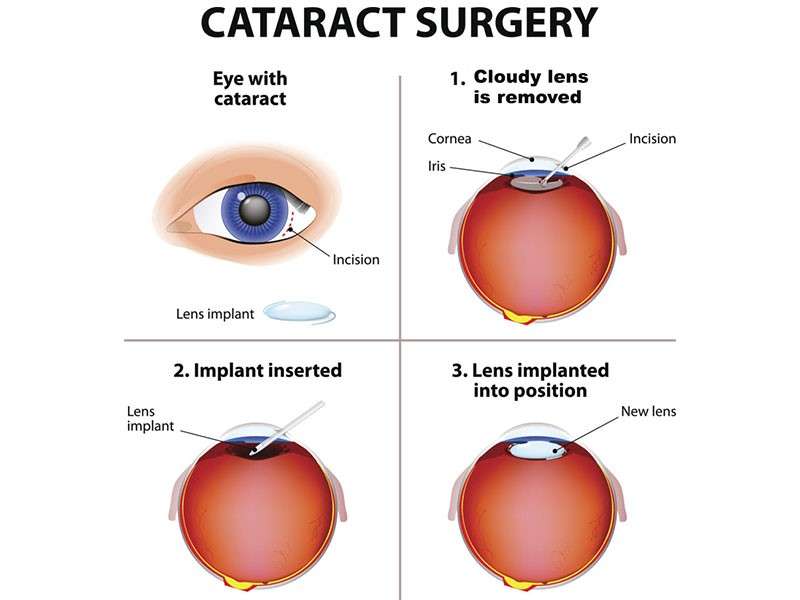
Cataracts are a common eye condition characterized by the clouding of the eye's natural lens, which can lead to vision impairment. This condition primarily affects older adults, but it can also occur due to other factors such as genetics and prolonged UV exposure.
- Symptoms: Common symptoms include blurred vision, difficulty seeing at night, sensitivity to light, and halos around lights.
- Diagnosis: An ophthalmologist typically conducts a comprehensive eye examination, including visual acuity tests and a thorough assessment of the lens using specialized equipment.
- Treatment Options: The most effective treatment for cataracts is surgical removal of the cloudy lens, often replaced with an artificial intraocular lens.
- Management: Regular monitoring is essential to track the progression if surgery is not immediately needed; patients may use stronger glasses temporarily.
- Expectations: Post-surgery recovery usually involves minimal downtime, with many patients experiencing improved vision within days.
If you suspect that you have cataracts or are experiencing changes in your vision, it’s important to seek evaluation and discuss potential treatment options early on.