
Dr V K Singh Cli
About Me
Dr V K Singh Cli
MBBS
General Physician
10 Years Experience
Biography
My Clinic
OPD Hours
| Monday | Morning | 10:00 AM | - | 02:00 PM |
| Evening | 06:00 PM | - | 09:00 PM | |
| Tuesday | Morning | 10:00 AM | - | 02:00 PM |
| Evening | 06:00 PM | - | 09:00 PM | |
| Wednesday | Morning | 10:00 AM | - | 02:00 PM |
| Evening | 06:00 PM | - | 09:00 PM | |
| Thursday | Morning | 10:00 AM | - | 02:00 PM |
| Evening | 06:00 PM | - | 09:00 PM | |
| Friday | Morning | 10:00 AM | - | 02:00 PM |
| Evening | 06:00 PM | - | 09:00 PM | |
| Saturday | Morning | 10:00 AM | - | 02:00 PM |
| Evening | 06:00 PM | - | 09:00 PM | |
| Sunday | Morning | 10:00 AM | - | 02:00 PM |
| Evening | 06:00 PM | - | 09:00 PM |
Treatments
Specialised care and treatments offered
VITAMIN D DEFICIENCY TREATMENT
A lack of adequate vitamin D impacts bone health as well as immune system functions. Many individuals have insufficient levels due to lifestyle or dietary insufficiencies.
- Causes & symptoms: Reduced sun exposure,diet low in vitamin D,fat malabsorption conditions can cause muscle weakness,bone pain,and fatigue;
- Diagnosis criteria: Blood test measuring serum 25-hydroxyvitamin D concentration confirms deficiency;
- Management: Supplementation with vitamin D3,dietary adjustments incorporating fortified foods,and safe sun exposure recommended;
- Outcomes expected: Improved musculoskeletal strength,reduced risk of fractures,and enhanced immune response over weeks/months post-treatment;
Addressing vitamin D deficiency supports overall health integrity especially bone maintenance making early detection vital for prevention strategies.
ACUTE UPPER RESPIRATORY TRACT INFECTION MANAGEMENT

This category includes the common cold and other viral infections affecting the nose, throat, sinuses causing discomfort but usually resolving without complications within days to weeks.
- Causative agents & symptoms:Tend to be viral pathogens resulting in sore throat, nasal congestion, cough,& low-grade fever among others;
OBESITY COUNSELING

The global rise in obesity poses significant health challenges linked to several chronic diseases. Addressing it effectively involves multifaceted interventions focused on sustainable lifestyle changes.
- Causes and signs: Results from an imbalance between calorie intake and expenditure along with genetic predisposition; identified through BMI measurement above healthy range.
- EVALUATION methods: Body composition analysis alongside assessment of dietary habits and activity levels helps tailor interventions.
- Treatment approaches: Nutritional counseling emphasizing whole foods, caloric moderation; increased physical activity emphasized alongside behavior modification techniques.
- Treatment outcomes: Gradual weight loss improves metabolic health markers like blood pressure and glucose regulation; maintenance plans prevent relapse.
Sustainable weight management efforts reduce risks associated with obesity-related illnesses including diabetes, cardiovascular conditions, enhancing overall wellbeing long-term.
CHRONIC OBSTRUCTIVE PULMONARY DISEASE (COPD) SUPPORT
COPD encompasses progressive lung diseases that obstruct airflow and make breathing difficult. Smoking is the primary cause worldwide.
- Symptoms and causes: Persistent cough with mucus production, shortness of breath especially during physical activity; mostly caused by tobacco smoking and environmental pollutants.
- Diagnosis: Spirometry testing measures airflow limitation; chest X-rays and clinical history also support diagnosis.
- Treatment/management strategies: Smoking cessation is crucial; bronchodilators help relieve symptoms; pulmonary rehabilitation improves lung function and stamina.
- Expectations in care: COPD is chronic but manageable with adherence to treatments reducing flare-ups and improving daily functioning.
A proactive approach including quitting smoking coupled with medical therapies can significantly enhance life quality for those affected by COPD.
TYPE 2 DIABETES CARE

Type 2 diabetes is a metabolic disorder characterized by high blood sugar due to insulin resistance. It is increasingly prevalent globally and linked closely to lifestyle factors.
- Symptoms and causes: May include frequent urination, excessive thirst, fatigue; often related to obesity, sedentary lifestyle, family history.
- Diagnosis: Established through fasting blood glucose tests, HbA1c levels, or oral glucose tolerance tests.
- Treatment/management: Emphasis on balanced diet low in refined sugars, regular physical activity, weight control; medications such as metformin may be prescribed if necessary.
- What to expect: Ongoing monitoring of blood glucose levels is essential; good management reduces risk of complications like neuropathy and heart disease.
Lifestyle adjustments combined with medical care enable effective control of type 2 diabetes for improved quality of life.
HYPERTENSION MANAGEMENT
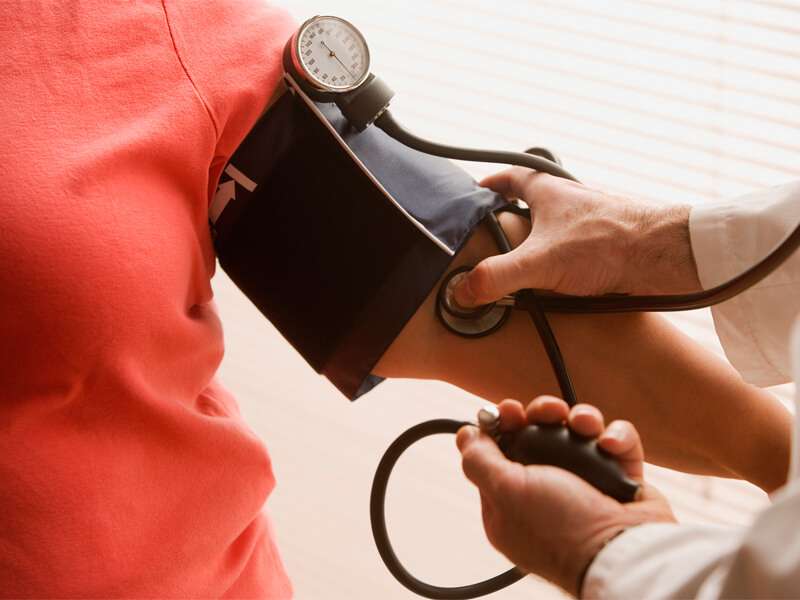
High blood pressure, or hypertension, is a common condition that can increase risks for heart disease and stroke if left uncontrolled. It often develops silently over years without noticeable symptoms.
- Symptoms and causes: Typically asymptomatic; caused by genetics, lifestyle factors such as diet high in salt, obesity, stress, and lack of physical activity.
- Diagnosis: Confirmed through multiple blood pressure readings taken at rest using a sphygmomanometer or ambulatory monitoring devices.
- Treatment options: Lifestyle changes including dietary modifications (e.g., DASH diet), regular exercise, weight control, smoking cessation, and medication when needed.
- Management expectations: Blood pressure control reduces cardiovascular risk; requires ongoing monitoring and adherence to treatment plans.
Caring for hypertension involves commitment but can prevent serious health complications. Early recognition and consistent management are key to maintaining long-term wellbeing.