
Dr V K Jain - Be
About Me
Dr V K Jain - Be
MBBS
General Physician
10 Years Experience
Biography
My Clinic
OPD Hours
| Monday | Morning | 10:00 AM | - | 02:00 PM |
| Evening | 06:00 PM | - | 09:00 PM | |
| Tuesday | Morning | 10:00 AM | - | 02:00 PM |
| Evening | 06:00 PM | - | 09:00 PM | |
| Wednesday | Morning | 10:00 AM | - | 02:00 PM |
| Evening | 06:00 PM | - | 09:00 PM | |
| Thursday | Morning | 10:00 AM | - | 02:00 PM |
| Evening | 06:00 PM | - | 09:00 PM | |
| Friday | Morning | 10:00 AM | - | 02:00 PM |
| Evening | 06:00 PM | - | 09:00 PM | |
| Saturday | Morning | 10:00 AM | - | 02:00 PM |
| Evening | 06:00 PM | - | 09:00 PM | |
| Sunday | Morning | 10:00 AM | - | 02:00 PM |
| Evening | 06:00 PM | - | 09:00 PM |
Treatments
Specialised care and treatments offered
ROUTINE HEALTH CHECKUPS
An essential part of maintaining overall health involves regular checkups with your general physician. These visits play a critical role in preventative care by identifying potential health risks early on.
- Purpose: Routine examinations can detect conditions such as hypertension or diabetes before they develop into more serious issues. <
<
GASTROESOPHAGEAL REFLUX DISEASE (GERD)

This chronic digestive condition occurs when stomach acid frequently flows back into the esophagus. This results in irritation and presents various uncomfortable symptoms.
- Symptoms: Heartburn is the most common symptom but others include regurgitation of food or sour liquid along with difficulty swallowing.
- Causes: Factors include obesity , smoking , pregnancy , diet , and certain medications contributing to increased abdominal pressure .
- Diagnosis: Diagnosis typically involves discussion of symptoms with a healthcare provider alongside possible endoscopy or pH testing .
- Management Options: Lifestyle modifications such as dietary changes , weight loss , antiflatulent medication , or proton pump inhibitors may be recommended based on severity .
Managing GERD effectively requires ongoing communication with healthcare providers to monitor progress and adjust treatment as needed .
ALLERGY MANAGEMENT
This condition manifests through an abnormal immune response to substances called allergens. Allergies are prevalent in various forms including hay fever and food allergies
- Symptoms: Common signs include sneezing, itching eyes/nose/throat, rashes or hives depending on the type of allergy present.
COMMON COLD TREATMENT
The common cold is a viral infection that affects the upper respiratory tract. Though typically mild, it can cause discomfort and disrupt daily activities.
- Symptoms: Typical signs include a runny nose, sore throat, cough, congestion, sneezing, and mild body aches.
- Causes: It is predominantly caused by viruses such as rhinoviruses and spreads easily from person to person through respiratory droplets.
- Treatment Options: Management focuses on relieving symptoms with over-the-counter medications like antihistamines and cough suppressants while ensuring adequate rest and hydration.
- Disease Course: Most colds resolve within a week; however, persistent symptoms should warrant further medical evaluation to rule out complications like bacterial infections.
Caring for oneself at home with appropriate remedies usually leads to recovery without the need for prescription medication.
DIABETES SCREENING
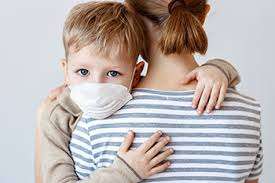
Diabetes is a chronic condition affecting how the body processes blood sugar (glucose), which can lead to serious complications if not managed properly. Early detection through screening is vital for effective management.
- Symptoms: Increased thirst, frequent urination, fatigue, and blurred vision are common signs of diabetes.
- Causes: Factors include genetics, obesity, lack of physical activity, and poor dietary choices.
- Diagnosis: Blood tests such as fasting glucose or HbA1c levels are standard methods used to diagnose diabetes or prediabetes.
- Treatment Options: Management may involve lifestyle changes—diet modification and exercise—as well as insulin therapy or oral medications based on severity.
A comprehensive approach focusing on prevention and education can empower patients in managing their diabetes effectively.
HYPERTENSION MANAGEMENT
Hypertension, commonly known as high blood pressure, is a condition that can lead to serious health issues if left untreated. It often has no symptoms, making regular check-ups crucial for early detection.
- Symptoms: Many individuals experience no noticeable symptoms, but headaches, shortness of breath, and nosebleeds can occur in severe cases.
- Causes: Factors include genetics, obesity, physical inactivity, and high salt intake.
- Diagnosis: Blood pressure readings taken during routine visits help identify hypertension. Additional tests may be needed for assessment.
- Treatment: Lifestyle changes such as diet and exercise are recommended alongside medications like diuretics or ACE inhibitors when necessary.
- Management: Regular monitoring of blood pressure is essential to ensure that levels remain within a healthy range; adjustments to medications may be required over time.
A proactive approach to managing hypertension can significantly reduce the risk of heart disease and stroke.