
DR V K Agarwal
About Me
DR V K Agarwal
MS
Orthopaedic Surgeons
10 Years Experience
Biography
My Clinic
OPD Hours
| Monday | Morning | 10:00 AM | - | 02:00 PM |
| Evening | 06:00 PM | - | 09:00 PM | |
| Tuesday | Morning | 10:00 AM | - | 02:00 PM |
| Evening | 06:00 PM | - | 09:00 PM | |
| Wednesday | Morning | 10:00 AM | - | 02:00 PM |
| Evening | 06:00 PM | - | 09:00 PM | |
| Thursday | Morning | 10:00 AM | - | 02:00 PM |
| Evening | 06:00 PM | - | 09:00 PM | |
| Friday | Morning | 10:00 AM | - | 02:00 PM |
| Evening | 06:00 PM | - | 09:00 PM | |
| Saturday | Morning | 10:00 AM | - | 02:00 PM |
| Evening | 06:00 PM | - | 09:00 PM | |
| Sunday | Morning | 10:00 AM | - | 02:00 PM |
| Evening | 06:00 PM | - | 09:00 PM |
Treatments
Specialised care and treatments offered
CT SCANS
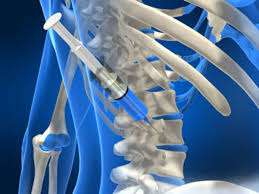
A computed tomography (CT) scan provides cross-sectional images of bones allowing for more detailed evaluations than traditional X-rays. It's particularly useful for identifying complex fractures that may require surgical intervention depending on severity and location within skeletal structures.< p
- Use Cases : CT scans are often requested after significant trauma when conventional X-ray findings are inconclusive regarding fracture extent.
- Scanning Process : Patients lie down while rotating X-ray beams collect data from multiple angles; images are reconstructed using advanced computer algorithms resulting in high-resolution views.
- Preparation Guidelines : Most patients require no special preparations aside from wearing comfortable clothing without exposed metal components.< / l i >
This technology enhances surgical planning accuracy aiding better outcomes for challenging cases being handled.< p
ULTRASOUND IMAGING
Ultrasound imaging uses sound waves to create real-time visualizations of muscles and soft tissue structures around joints. It helps diagnose conditions such as tendon injuries or fluid collections around joints without exposure to radiation.
- You might consider ultrasound if you experience symptoms such as swelling or pain that could indicate tendonitis or bursitis in specific areas like knees or shoulders.
X-RAYS

X-rays remain one of the foundational imaging techniques used in orthopaedic practice. They help visualize bone structures to identify fractures, dislocations, and other anomalies within the skeletal system quickly.
- Common Situations: They are commonly ordered after traumatic injuries like falls or sports accidents where fractures are suspected but not immediately apparent.
- Diagnostic Use: X-rays can show alignment issues and joint spacing critical for assessing conditions like arthritis.
- The Process: The procedure typically involves positioning the patient between an X-ray machine and a digital sensor; it takes only moments to complete each image set.
X-rays provide essential insights that guide further treatment decisions ensuring timely interventions when necessary.
BONE DENSITY TEST

A bone density test measures the amount of mineral content in bones and assesses their strength. This test is important for diagnosing osteoporosis or assessing fracture risk in patients, especially those at higher risk due to age or medical history.
- Indications: Individuals may require this test if they have risk factors such as prolonged steroid use or family history of osteoporosis.
- Test Procedure: The most common method is dual-energy X-ray absorptiometry (DXA), which is quick and painless.
- Result Evaluation: Results are expressed as T-scores indicating normal bone density levels or whether there’s a need for treatment intervention.
- Treatment Recommendations: Based on results, lifestyle changes like diet modifications or medications may be recommended to improve bone health.
This testing plays a vital role in preventing fractures and enhancing overall bone health management strategies.
MRI SCANS

Magnetic Resonance Imaging (MRI) is a crucial diagnostic tool in orthopaedics that provides detailed images of soft tissues, including muscles, ligaments, and cartilage. Unlike X-rays, MRIs do not use radiation and are particularly useful for identifying issues not visible on standard imaging.
- Common Uses: MRIs are often used to diagnose tears in ligaments or cartilage, such as ACL injuries in athletes.
- Process: The patient lies on a table that slides into the MRI machine, which uses magnetic fields and radio waves to create images.
- Preparation: No special preparation is usually required; however, patients should inform their doctor if they have any metal implants or claustrophobia.
- Results Interpretation: A radiologist will review the images and provide a report for further evaluation by your orthopaedic specialist.
This imaging method has revolutionized how musculoskeletal disorders are diagnosed and managed effectively.
ARTHROSCOPY

Arthroscopy is a minimally invasive surgical procedure used to diagnose and treat joint problems. This technique involves inserting a small camera, known as an arthroscope, into the joint through a small incision. It allows orthopaedic surgeons to view the inside of a joint without making large incisions.
- Symptoms: Common indicators include persistent joint pain, swelling, or stiffness that does not improve with conservative treatments.
- Diagnosis: The process typically begins with a clinical evaluation followed by imaging tests such as X-rays or MRI scans to assess joint health.
- Treatment Options: Depending on the findings, treatment options may include repairing damaged tissues, removing loose bodies in the joint, or washing out debris from the joint space.
- Expectations: Patients can expect faster recovery times compared to open surgery and often experience minimal postoperative pain.
This procedure is essential for effective treatment of various intra-articular conditions.