
Dr Umesh R. Pandey
About Me
Dr Umesh R. Pandey
BAMS
General Physician
12 Years Experience
Biography
My Clinic
OPD Hours
| Monday | Morning | 10:30 AM | - | 01:30 PM |
| Evening | 06:30 PM | - | 10:00 PM | |
| Tuesday | Morning | 10:30 AM | - | 01:30 PM |
| Evening | 06:30 PM | - | 10:00 PM | |
| Wednesday | Morning | 10:30 AM | - | 01:30 PM |
| Evening | 06:30 PM | - | 10:00 PM | |
| Thursday | Morning | 10:30 AM | - | 01:30 PM |
| Evening | 06:30 PM | - | 10:00 PM | |
| Friday | Morning | 10:30 AM | - | 01:30 PM |
| Evening | 06:30 PM | - | 10:00 PM | |
| Saturday | Morning | 10:30 AM | - | 01:30 PM |
| Evening | 06:30 PM | - | 10:00 PM | |
| Sunday | Morning | 10:30 AM | - | 01:30 PM |
Treatments
Specialised care and treatments offered
COMMON COLD TREATMENTS
The common cold remains one of the most widespread viral infections affecting individuals worldwide. Caused primarily by rhinoviruses among others—symptoms usually manifest within two days after exposure leading towards recovery within two weeks maximum!
- Symptoms: Manifestations include sneezing; runny nose; sore throat along with occasional mild fever/chills/coughing being typical indicators signifying onset regarding cold illness presence!
THYROID DISORDERS EVALUATION

The thyroid gland plays a pivotal role in regulating metabolism and energy levels in the body. Disorders affecting this gland can result in various symptoms requiring thorough evaluation by healthcare professionals.
- If you notice sudden weight changes—either gain or loss—it could signify an underactive (hypothyroidism) or overactive thyroid (hyperthyroidism).
- Diagnosis: Blood tests measuring thyroid hormone levels (TSH) confirm any abnormalities present with proper comprehensive interpretation from professionals.
- Treatment Options: Depending on diagnosis outcome treatment generally revolves around hormone replacement therapies (for hypothyroidism) or medications aimed at regulating excessive hormone production for hyperthyroidism patients.
- What To Expect: Regular follow-ups ensure optimal hormone balance; many individuals find symptom relief following appropriate treatment protocols initiated early enough.
Maintaining awareness about thyroid conditions is vital since timely intervention significantly enhances well-being.
CHOLESTEROL LEVEL MANAGEMENT
User-friendly cholesterol level management focuses on maintaining healthy lipid profiles to reduce heart disease risk. Elevated cholesterol levels often present silently yet pose significant threats over time if not addressed timely.
- Symptoms/Causes: High cholesterol typically does not cause symptoms but can result from poor dietary habits, obesity, and lack of physical activity among others.
- Diagnosis: A simple blood test called a lipid panel measures levels of LDL (bad cholesterol), HDL (good cholesterol), and triglycerides in your bloodstream.
- No strong treatment options encompass lifestyle changes like adopting healthier eating patterns rich in fruits, vegetables; medication may be necessary based on results from the lipid panel test
- What to expect: Routine check-ups are crucial for tracking cholesterol levels; effective management drastically reduces cardiovascular risks.
Addressing cholesterol concerns can lead to significant improvements in both longevity and overall health.
ASTHMA MANAGEMENT
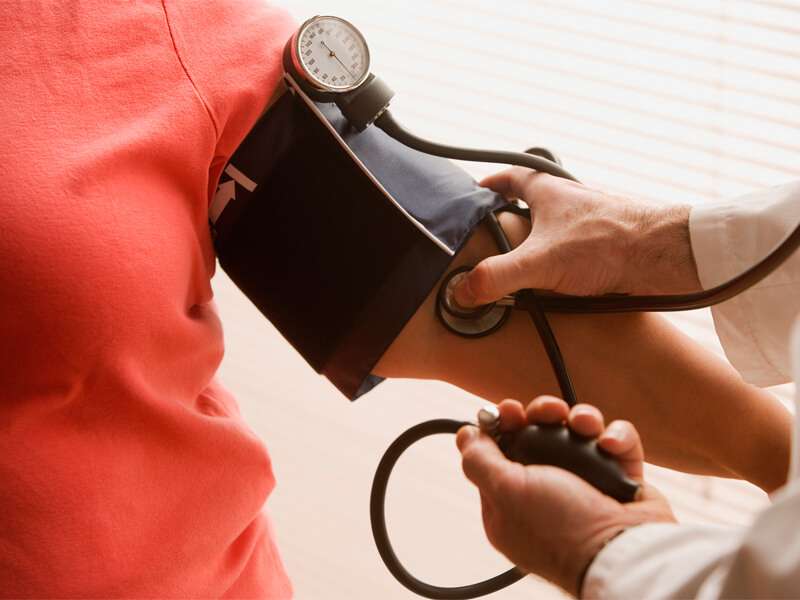
Asthma is a chronic respiratory condition that affects the airways in the lungs. It leads to episodes of wheezing, shortness of breath, chest tightness, and coughing. Effective asthma management is key to controlling symptoms and enhancing quality of life.
- Symptoms: Common signs include recurrent coughing at night or early morning and increased difficulty in breathing during physical exertion or exposure to allergens.
- Diagnosis: Healthcare providers often assess lung function through spirometry tests which measure how well air moves out of your lungs.
- Treatment options: Management includes avoiding triggers like allergens, employing quick-relief inhalers during attacks, and using long-term control medications as prescribed by your physician.
- What to expect: With proper management plans tailored to individual needs, most people can lead normal active lives despite having asthma.
Lifestyle adjustments along with medical guidance can significantly improve asthma outcomes for patients.
DIABETES SCREENING

Diabetes screening is an essential preventive measure that helps identify individuals at risk for diabetes before symptoms arise. Early detection allows for timely interventions that can prevent or delay the onset of serious complications related to diabetes.
- Symptoms/Causes: Although symptoms may not appear initially, risk factors include being overweight, having a sedentary lifestyle, or possessing a family history of diabetes.
- Diagnosis: Blood tests such as fasting glucose levels or hemoglobin A1c can help determine if an individual has diabetes or pre-diabetes.
- Treatment options: If diagnosed with diabetes or pre-diabetes, lifestyle modifications including diet and exercise are crucial. Medications might also be necessary depending on the severity of the condition.
- What to expect: Regular check-ups will be important for managing your condition effectively and monitoring your health over time.
A proactive approach ensures better outcomes and improved quality of life for those at risk of diabetes.
HYPERTENSION MANAGEMENT

Hypertension, commonly known as high blood pressure, is a prevalent condition that can lead to serious health complications if left untreated. This condition occurs when the force of blood against the artery walls is consistently too high. Knowing how to manage hypertension is essential for maintaining overall health.
- Symptoms: Often referred to as a 'silent killer,' many individuals may experience headaches, dizziness, or shortness of breath, but some have no noticeable symptoms at all.
- Diagnosis: Blood pressure readings are taken using a sphygmomanometer; readings over 130/80 mmHg typically indicate hypertension.
- Treatment options: Lifestyle changes such as a balanced diet, regular physical activity, and weight management are vital. Medications may also be prescribed, including diuretics and ACE inhibitors.
- What to expect: Regular monitoring of blood pressure is recommended to ensure levels remain controlled. Many people can manage their condition effectively with proper care.
Your health plays a critical role in preventing future complications associated with high blood pressure.