
Dr Umesh Khandel
About Me
Dr Umesh Khandel
MS
Orthopaedic Surgeons
10 Years Experience
Biography
My Clinic
OPD Hours
| Monday | Morning | 10:00 AM | - | 02:00 PM |
| Evening | 06:00 PM | - | 09:00 PM | |
| Tuesday | Morning | 10:00 AM | - | 02:00 PM |
| Evening | 06:00 PM | - | 09:00 PM | |
| Wednesday | Morning | 10:00 AM | - | 02:00 PM |
| Evening | 06:00 PM | - | 09:00 PM | |
| Thursday | Morning | 10:00 AM | - | 02:00 PM |
| Evening | 06:00 PM | - | 09:00 PM | |
| Friday | Morning | 10:00 AM | - | 02:00 PM |
| Evening | 06:00 PM | - | 09:00 PM | |
| Saturday | Morning | 10:00 AM | - | 02:00 PM |
| Evening | 06:00 PM | - | 09:00 PM | |
| Sunday | Morning | 10:00 AM | - | 02:00 PM |
| Evening | 06:00 PM | - | 09:00 PM |
Treatments
Specialised care and treatments offered
PHYSICAL THERAPY FOR REHABILITATION
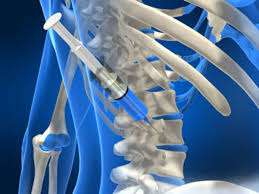
Physical therapy plays a vital role in recovery following orthopaedic surgeries or injuries. Its goal is to restore movement and functionality through tailored exercises.
- Initial evaluation determines specific impairments affecting movement capability.
- Treatment commonly includes graduated exercises focusing on strength building, flexibility enhancement and pain management.
- Therapists develop personalized programs aimed at meeting individual goals effectively .
- Patients learn techniques promoting safe return back into everyday activities while decreasing future injury risks . < l i > Continuous assessment during therapy promotes adjustments necessary ensuring optimal progress .< / l i >
This collaborative approach enhances outcomes by empowering patients on their path towards recovery
OSTEOPOROSIS SCREENING
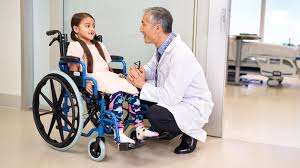
Osteoporosis is a condition characterized by weak bones that increases the likelihood of fractures. Early detection through screening can significantly alter management strategies.
- Risk factors include age, family history, low body weight, certain medications, and lifestyle choices such as smoking.
- Diagnosis often begins with a bone density test that assesses bone health.
- Treatment may involve lifestyle changes including diet rich in calcium & vitamin D along with medication when needed
- Regular exercise plays a critical role in strengthening bones.
- Monitoring bone density over time helps track effectiveness of interventions.
Understanding osteoporosis empowers individuals to take charge of their bone health proactively.
SPORTS INJURY PREVENTION

Preventing sports injuries is essential for athletes at all levels. Awareness of risk factors can help minimize occurrences during play or training sessions.
- Common injuries include sprains, strains, fractures, and tendonitis related to overuse or improper techniques.
- A comprehensive assessment identifies personal risk factors such as previous injuries or lack of conditioning.
- A multifaceted approach including proper warm-up routines and strength training helps in prevention efforts.
- Educating athletes on safe practices during sports activities is key.
- Regular check-ups with an orthopaedic specialist may help keep athletes healthy throughout their seasons.
Taking proactive measures for injury prevention ensures long-term athletic performance while minimizing downtime associated with injuries.
JOINT REPLACEMENT SURGERY

Joint replacement surgery is a procedure designed to relieve pain and restore function in damaged joints. Commonly performed on hips and knees, it can greatly enhance mobility.
- This surgery addresses conditions like severe arthritis that has not responded to other treatments.
- The diagnosis involves both clinical examination and imaging techniques to assess joint damage.
- Surgical options include partial or total joint replacement depending on the extent of the damage.
- Postoperative rehabilitation is crucial for regaining strength and function after surgery.
- Pain levels typically decrease significantly post-surgery, contributing to improved quality of life.
Joint replacement can be life-changing for those suffering from debilitating joint problems, leading to renewed activity levels.
FRACTURE CARE

Fractures are breaks in the bone that can occur from trauma or stress. Prompt treatment is crucial for optimal healing.
- The most common symptoms include severe pain, swelling, bruising, and an inability to use the injured area.
- A thorough evaluation and imaging studies confirm the diagnosis.
- Treatment could involve immobilization with casts or splints, physical therapy, or surgical intervention if needed.
- Pain management and rehabilitation follow to restore function.
- The healing process usually takes several weeks where rest is vital for recovery.
A comprehensive understanding of fracture care ensures patients can expect a positive outcome from their treatment journey.
ARTHRITIS MANAGEMENT

Arthritis is a common condition that affects joints, leading to pain and stiffness. It can significantly impact daily activities, making it essential to understand its management.
- Symptoms may include joint pain, swelling, and decreased range of motion.
- Diagnosis typically involves a physical examination and imaging tests like X-rays or MRIs.
- Treatment options range from medication to physical therapy and sometimes surgery, depending on severity.
- Maintaining a healthy weight and engaging in low-impact exercises can alleviate symptoms.
- Regular follow-ups are important to monitor the condition and adjust treatment plans as necessary.
Understanding arthritis helps patients make informed decisions about their care and improve their quality of life.