
Dr umesh dubey.
About Me
Dr umesh dubey.
MD
Nephrologist
10 Years Experience
Biography
My Clinic
OPD Hours
| Monday | Morning | 10:00 AM | - | 02:00 PM |
| Evening | 06:00 PM | - | 09:00 PM | |
| Tuesday | Morning | 10:00 AM | - | 02:00 PM |
| Evening | 06:00 PM | - | 09:00 PM | |
| Wednesday | Morning | 10:00 AM | - | 02:00 PM |
| Evening | 06:00 PM | - | 09:00 PM | |
| Thursday | Morning | 10:00 AM | - | 02:00 PM |
| Evening | 06:00 PM | - | 09:00 PM | |
| Friday | Morning | 10:00 AM | - | 02:00 PM |
| Evening | 06:00 PM | - | 09:00 PM | |
| Saturday | Morning | 10:00 AM | - | 02:00 PM |
| Evening | 06:00 PM | - | 09:00 PM | |
| Sunday | Morning | 10:00 AM | - | 02:00 PM |
| Evening | 06:00 PM | - | 09:00 PM |
Treatments
Specialised care and treatments offered
KIDNEY STONES
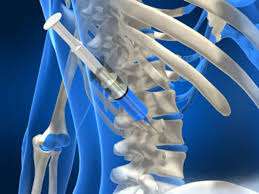
Kidney stones are hard deposits made up of minerals and salts that form inside your kidneys. They can cause significant pain when passing through urinary tract structures but often require medical attention for proper management.
- Symptoms primarily encompass sudden onset intense pain originating in regions like lower back radiating towards groin area alongside nausea/vomiting sensations during passage experiences .
- Diagnosing stones typically involves imaging studies coupled with assessment pertaining previous incidence episodes they experience relevant information provided by patients themselves .
- Treatment aims at alleviating discomfort whilst addressing specific stone types via medication , dietary modification , hydration enhancement practices designed specifically tailored according individual situations encountered throughout their journey towards recovery experience founded upon insights gathered following consultation sessions conducted physician’s expertise .
Prompt interventions manifest optimal outcomes which pave restoration paths ensuring uninterrupted bodily functions encompassing urinary systems healthy states post-remedial actions aligned around addressing root origins behind development conditions arise .
GLOMERULONEPHRITIS

This term refers to a group of diseases that cause inflammation of the glomeruli in the kidneys. Such inflammation impairs their ability to filter waste efficiently from the bloodstream.
- The most common symptoms include swelling, hematuria (blood in urine), and elevated blood pressure due to fluid retention caused by impaired filtration capabilities.
- A detailed medical history combined with laboratory tests helps in diagnosing this condition effectively; biopsies might be needed for specific cases.
- Treatment varies according to the underlying cause but may include corticosteroids or immunosuppressive drugs along with supportive care measures such as dietary restrictions on salt intake
Collaborating closely with healthcare professionals enables people suffering from Glomerulonephritis access appropriate therapies while minimizing risks associated with chronic complications associated with reduced renal functioning.
ELECTROLYTE IMBALANCE

An electrolyte imbalance occurs when levels of electrolytes such as sodium or potassium are disrupted within the body. This condition can have severe implications for both overall health and kidney function.
- The causes can vary widely but often include dehydration, certain medications, or underlying health conditions affecting absorption or excretion of these substances.
- Lorem Ipsum dolor sit
- Diagnosis typically involves serum electrolyte testing conducted alongside assessment of symptoms like muscle cramps or irregular heartbeats.
Treatment may consist of dietary adjustments aimed at restoring balance along with possible supplementation under medical guidance.
- Maintaining hydration levels is key; however, careful monitoring should be done especially if on certain medications that affect electrolyte levels.
Effective management ensures optimal functionality of organs including kidneys while preventing severe complications related to imbalances.
DIABETIC NEPHROPATHY

Diabetic Nephropathy is a common complication in individuals with diabetes that affects kidney function. Early diagnosis is essential for effectively managing this condition.
- The primary symptom usually observed is protein in the urine, which occurs due to damaged kidneys.
- This condition is diagnosed through urine tests coupled with blood glucose monitoring to assess overall kidney health.
- Management includes strict glycemic control alongside medications specifically aimed at protecting kidney function such as angiotensin-converting enzyme (ACE) inhibitors.
- Lifestyle modifications like diet improvements and regular physical activity also play a significant role in management strategies.
- Long-term follow-up with healthcare providers is necessary to adapt treatment plans according to disease progression.
Timely intervention can slow disease progression significantly for those diagnosed with Diabetic Nephropathy.
HYPERTENSION MANAGEMENT

Managing hypertension is vital since high blood pressure can significantly affect kidney health. It is often referred to as the 'silent killer' due to its lack of obvious symptoms.
- Elevated blood pressure may result from various factors including obesity, poor diet, and genetic predisposition.
- A healthcare professional typically diagnoses hypertension using multiple blood pressure readings taken at different times.
- Treatment commonly involves lifestyle modifications such as diet changes, exercise, and medication like diuretics or ACE inhibitors.
- Regular follow-ups help assess the effectiveness of treatment strategies in controlling blood pressure levels.
- A collaborative approach between patient and nephrologist can greatly enhance management results and improve overall heart health.
Controlling hypertension is crucial in preventing further damage to kidneys and other organs.
CHRONIC KIDNEY DISEASE

Chronic Kidney Disease (CKD) is a progressive condition characterized by the gradual loss of kidney function over time. This deterioration can lead to serious health complications if not managed properly.
- Symptoms of CKD may include fatigue, swelling in the legs, and changes in urination patterns.
- Healthcare providers diagnose CKD through blood tests, urine tests, and imaging studies to evaluate kidney function.
- Treatment options often involve lifestyle changes, medications to control blood pressure and diabetes, and regular monitoring of kidney function.
- As the disease progresses, patients may need dialysis or a kidney transplant for severe cases.
- Regular visits to a nephrologist are crucial for effective management and to prevent further complications.
Early detection and comprehensive care can help improve outcomes for those living with CKD.