
DR UMA Raghuvansh
About Me
DR UMA Raghuvansh
MS
Orthopaedic Surgeons
10 Years Experience
Biography
My Clinic
OPD Hours
| Monday | Morning | 10:00 AM | - | 02:00 PM |
| Evening | 06:00 PM | - | 09:00 PM | |
| Tuesday | Morning | 10:00 AM | - | 02:00 PM |
| Evening | 06:00 PM | - | 09:00 PM | |
| Wednesday | Morning | 10:00 AM | - | 02:00 PM |
| Evening | 06:00 PM | - | 09:00 PM | |
| Thursday | Morning | 10:00 AM | - | 02:00 PM |
| Evening | 06:00 PM | - | 09:00 PM | |
| Friday | Morning | 10:00 AM | - | 02:00 PM |
| Evening | 06:00 PM | - | 09:00 PM | |
| Saturday | Morning | 10:00 AM | - | 02:00 PM |
| Evening | 06:00 PM | - | 09:00 PM | |
| Sunday | Morning | 10:00 AM | - | 02:00 PM |
| Evening | 06:00 PM | - | 09:00 PM |
Treatments
Specialised care and treatments offered
SHOULDER IMPINGEMENT SYNDROME THERAPY
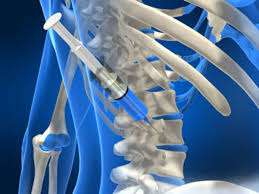
This condition arises when shoulder tendons become impinged during arm movements leading often times leading up into painful scenarios during overhead actions. Understanding its dynamics ensures effective care pathways are established promptly!
- Symptoms : Patients frequently report sharp pains especially with lifting arms above shoulder level possibly leading up into stiffness as well!
- Diagnosis : Healthcare professionals skillfully assess both positioning along with functional capabilities using detailed physical exams coupled alongside advanced imaging technologies if needed too!
- Treatment Options : Simply adjusting activity levels combined flexible strengthening routines provide solid strategies which mitigate stresses upon involved structures effectively!
- What To Expect: Regardless commitment found here aids regain functionality restoring former range ultimately aiding performance thereafter moving forward!
The comprehensive understanding behind shoulder impingement syndrome enhances clarity regarding not just present realities but also future potentials achieving more optimal lifestyles once diagnosed properly!
NECK PAIN SOLUTIONS

The neck can be subject to strains that result in discomfort due to poor posture or sleeping positions. Understanding its causes supports better management approaches.
- Symptoms : Symptoms may include a tender neck feeling stiff along with potential radiating pain into shoulders or arms.
- Diagnosis : A skilled practitioner assesses movement limitations; diagnostic imaging might be employed when necessary.
- Treatment Options : Non-surgical interventions such as physical therapy exercises aimed at flexibility improvement play key roles in healing.
- What to Expect : Early intervention provides considerable advantages towards alleviating acute episodes while fostering long-term stability.
By prioritizing preventive measures alongside therapeutic modalities allows patients greater resilience against recurrent neck issues over time.
BACK PAIN MANAGEMENT

Back pain can stem from various factors including muscle strain, disc issues or poor posture. It is one of the most prevalent complaints that affects daily activities.
- Symptoms: Common indicators consist of dull aches or sharp pain experienced during motion or at rest.
- Diagnosis: Health professionals rely on patient history and may use physical tests alongside imaging techniques for diagnosis.
- Treatment Options: Treatments focus on physical therapy, exercise regimens tailored to strengthen back muscles and ergonomic advice for daily living situations.
- What to Expect: Many patients report gradual easing of discomfort with proper management techniques implemented consistently over time.
A comprehensive understanding helps individuals tackle back pain effectively while enhancing overall spinal health through informed choices in activity levels and work habits.
TENDONITIS REHABILITATION

Tendonitis refers to inflammation of tendons due to repetitive motion or injury. It commonly affects athletes but can impact anyone with repetitive strain on certain joints.
- Symptoms: Symptoms include pain at the site of the tendon, swelling, and restricted movement related to the affected area.
- Diagnosis: Diagnosis generally includes clinical evaluation along with possible imaging techniques like ultrasound or MRI for assessment.
- Treatment Options: Management strategies involve rest, ice application, anti-inflammatory medications, and targeted physiotherapy exercises.
- What to Expect: Most individuals see improvement with adherence to rehabilitation protocols within several weeks; however, chronic cases might require longer treatment periods.
A proactive approach aids in recovering from tendonitis while preventing future occurrences through education and training adjustments.
PLANTAR FASCIITIS CARE

This common foot condition causes heel pain due to inflammation of the plantar fascia tissue. It often results from overuse or strain during activities.
- Symptoms: Key symptoms are sharp heel pain usually felt in the morning or after prolonged sitting.
- Diagnosis: A healthcare provider typically performs a thorough examination and may recommend imaging if needed.
- Treatment Options: Treatment includes stretching exercises, orthotic shoe inserts, physical therapy, and rest to alleviate symptoms.
- What to Expect: With appropriate care and lifestyle adjustments, most patients experience significant relief within weeks.
Timely intervention can help manage plantar fasciitis effectively, restoring normal activities without discomfort.
OSTEOARTHRITIS MANAGEMENT

Osteoarthritis is a degenerative joint disease that affects millions worldwide. This condition results from the wear and tear of cartilage, leading to pain and reduced mobility.
- Symptoms: Common symptoms include joint pain, stiffness, and swelling in affected areas.
- Diagnosis: Diagnosis typically involves a physical examination and imaging tests such as X-rays or MRIs.
- Treatment Options: Management may include lifestyle modifications, physical therapy, anti-inflammatory medications, and weight management strategies.
- What to Expect: Patients can expect gradual improvement through consistent management and adherence to recommended therapies.
Understanding osteoarthritis is crucial for effective management, enabling patients to maintain a good quality of life despite the condition.