
Dr Tyagi Eye Clinic
About Me
Dr Tyagi Eye Clinic
MS
Ophthalmologist
10 Years Experience
Biography
My Clinic
OPD Hours
| Monday | Morning | 10:00 AM | - | 02:00 PM |
| Evening | 06:00 PM | - | 09:00 PM | |
| Tuesday | Morning | 10:00 AM | - | 02:00 PM |
| Evening | 06:00 PM | - | 09:00 PM | |
| Wednesday | Morning | 10:00 AM | - | 02:00 PM |
| Evening | 06:00 PM | - | 09:00 PM | |
| Thursday | Morning | 10:00 AM | - | 02:00 PM |
| Evening | 06:00 PM | - | 09:00 PM | |
| Friday | Morning | 10:00 AM | - | 02:00 PM |
| Evening | 06:00 PM | - | 09:00 PM | |
| Saturday | Morning | 10:00 AM | - | 02:00 PM |
| Evening | 06:00 PM | - | 09:00 PM | |
| Sunday | Morning | 10:00 AM | - | 02:00 PM |
| Evening | 06:00 PM | - | 09:00 PM |
Treatments
Specialised care and treatments offered
RETINAL DETACHMENT
Retinal detachment occurs when the retina pulls away from its normal position at the back of the eye. This alarming condition requires immediate medical attention as it poses a serious threat to sight if left untreated!
- You might experience sudden flashes of light or floaters followed by darkening peripheral vision indicating possible symptoms.
- Your doctor will perform several tests including visual field testing alongside examination tools like ultrasound imaging crucial full assessment necessary identifying severity before proceeding toward treatment options available based upon specifics case-by-case basis!
DRY EYE SYNDROME

This common condition occurs when your eyes do not produce enough tears or when tears evaporate too quickly. Symptoms can range from mild discomfort to significant impairment of daily activities due to irritation from dry eyes.
- Main symptoms include dryness, burning sensation, redness, blurry visions interspersed throughout your day along with sensitivity to wind or smoke exposure!
- A detailed assessment usually focuses on tear production tests along with evaluating symptoms during an eye exam for accurate diagnosis.
- Treatment modalities comprise artificial tears lubricating drops; prescription medications may be recommended if symptoms persist severe enough!
If experiencing prolonged dry-eye issues will warrant consultation regarding potential underlying causes beyond environmental triggers especially considering lifestyle factors affecting moisture levels!
AGE-RELATED MACULAR DEGENERATION (AMD)

This progressive retinal disease primarily affects older adults and results in loss of central vision due to damage occurring within the macula. Recognizing AMD early can help manage its progression effectively.
- Early signs might include distorted vision or a gradual loss of central sight; some people also notice difficulties recognizing faces or reading text clearly.
- An ophthalmologist usually diagnoses AMD through comprehensive examinations including optical coherence tomography (OCT).
- Treatment varies depending on the type—dry AMD management focuses on nutritional support while wet AMD may require injections into the eye to stabilize or improve vision.
- Lifestyle modifications such as quitting smoking and maintaining a healthy diet can also positively influence outcomes with AMD management!
If you notice any changes in your vision as you age, seeking prompt evaluation could help manage risks associated with AMD effectively!
DIABETIC RETINOPATHY

This serious eye condition affects individuals with diabetes and is caused by damage to the blood vessels in the retina. Diabetic retinopathy can lead to vision loss if not managed properly.
- Symptoms may include blurry vision, floaters, difficulty seeing colors, or significant changes in eyesight over time.
- A comprehensive dilated eye exam helps determine the presence and extent of diabetes-related retinal changes for proper diagnosis.
- Treatment options vary from lifestyle modifications and better glucose control to laser surgery or injections that target abnormal blood vessels in later stages.
- Regular follow-up visits play a key role in preventing complications and ensuring optimal management of this condition!
Getting routine check-ups is vital if you have diabetes; early detection can make a significant difference in outcomes related to diabetic retinopathy.
GLAUCOMA
This condition involves damage to the optic nerve typically caused by elevated intraocular pressure. Glaucoma is often referred to as the 'silent thief of sight' because it progresses gradually without noticeable symptoms until significant damage has occurred.
- Common symptoms can include loss of peripheral vision and tunnel vision in advanced stages; sometimes patients may experience ocular pain and headaches.
- A thorough eye examination including intraocular pressure measurement is essential for accurate diagnosis.
- Treatment may encompass medications in the form of eye drops aimed at reducing pressure, laser treatments, or surgical options in severe cases.
- Routine check-ups are crucial for management as glaucoma can worsen over time; adherence to prescribed treatment is essential for preserving vision.
If you have a family history or risk factors for glaucoma, consider scheduling regular eye exams to catch any potential issues early on.
CATARACTS
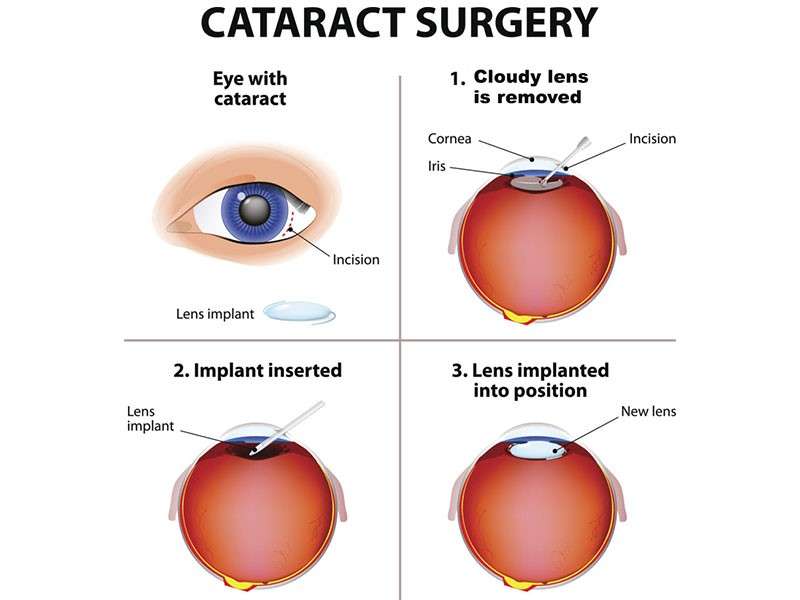
Cataracts are a common eye condition characterized by the clouding of the lens in the eye, which can lead to blurred vision and difficulty seeing at night. This condition often develops slowly and may not be immediately noticeable.
- Symptoms include cloudy or blurry vision, difficulty with night vision, sensitivity to light, and seeing halos around lights.
- Cataracts are usually diagnosed through a comprehensive eye exam that assesses visual acuity and examines the lens for any clouding.
- Treatment options range from monitoring for early stages to surgical intervention where the clouded lens is replaced with an artificial one, particularly if daily activities are affected.
- Post-surgery, patients can expect improved vision, although recovery time may vary based on individual health factors.
If you experience any symptoms suggestive of cataracts, it's important to consult an eye care professional for a thorough evaluation.