
Dr Tushar Opneja-
About Me
Dr Tushar Opneja-
MBBS
Dermatologist
10 Years Experience
Biography
My Clinic
OPD Hours
| Monday | Morning | 10:00 AM | - | 02:00 PM |
| Evening | 06:00 PM | - | 09:00 PM | |
| Tuesday | Morning | 10:00 AM | - | 02:00 PM |
| Evening | 06:00 PM | - | 09:00 PM | |
| Wednesday | Morning | 10:00 AM | - | 02:00 PM |
| Evening | 06:00 PM | - | 09:00 PM | |
| Thursday | Morning | 10:00 AM | - | 02:00 PM |
| Evening | 06:00 PM | - | 09:00 PM | |
| Friday | Morning | 10:00 AM | - | 02:00 PM |
| Evening | 06:00 PM | - | 09:00 PM | |
| Saturday | Morning | 10:00 AM | - | 02:00 PM |
| Evening | 06:00 PM | - | 09:00 PM | |
| Sunday | Morning | 10:00 AM | - | 02:00 PM |
| Evening | 06:00 PM | - | 09:00 PM |
Treatments
Specialised care and treatments offered
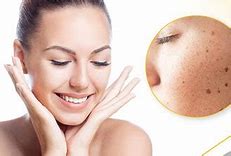
MELASMA
Melasma is a pigmentary disorder presenting as symmetrical brownish patches commonly seen on the cheeks, forehead, nose bridge, and upper lip. It predominantly affects women especially during hormonal fluctuations like pregnancy or contraceptive use but also men occasionally suffer from it too.
- This condition arises due to increased melanin production triggered by UV exposure combined with genetic predisposition.
- A dermatologist diagnoses melasma clinically supported by tools like Wood's lamp examination which highlights pigmentation depth.
- Treatments focus on sun protection measures alongside topical agents such as hydroquinone, azelaic acid or tretinoin designed to lighten affected areas gradually.
- Chemical peels or laser therapy may be options under specialist supervision if conventional treatments prove insufficient.
- An ongoing commitment to maintenance prevents relapse since melasma tends toward chronicity once established.
This discoloration has no systemic health impact but managing cosmetic concerns effectively enhances patient's confidence significantly over time.
WARTS (VERRUCA VULGARIS)
Warts are benign growths caused by infection with human papillomavirus (HPV). They frequently appear on hands and fingers but can develop anywhere on the body at any age group due to skin contact transmission.
- Their appearance includes rough-surfaced papules varying in size and sometimes causing discomfort if located near joints or pressure areas.
- A visual inspection generally suffices for diagnosis without additional testing unless malignancy suspicion arises from unusual features.
SEBORRHEIC DERMATITIS
Seborrheic dermatitis is a common inflammatory disorder predominantly affecting areas rich in sebaceous glands like the scalp (dandruff), face, and upper chest. It presents with flaky scales and redness due to yeast overgrowth combined with immune response disturbances.
- The condition causes greasy scales paired with erythema that can be itchy but usually mild discomfort only.
- The diagnosis is clinical; laboratory testing is not generally required unless atypical signs raise suspicion for other conditions.
- Treatment includes antifungal shampoos containing ketoconazole or selenium sulfide along with mild topical corticosteroids during flares for relief.
PSORIASIS
A chronic autoimmune condition characterized by rapid skin cell turnover leading to thickened scaling plaques commonly found on elbows, knees, scalp, or lower back. Psoriasis affects adults predominantly but can occur at any age.
- The hallmark symptoms include sharply demarcated red patches covered with silvery scales accompanied by itching or discomfort.
- The diagnosis relies on physical exam; occasionally a biopsy confirms the diagnosis if uncertain.
- Treatment varies depending on severity: topical corticosteroids for mild cases; phototherapy or systemic agents such as methotrexate for moderate to severe presentations.
- Lifestyle modifications including stress reduction may help decrease flare-ups over time.
A personalized approach ensures symptom control while minimizing side effects in this lifelong condition.
ATOPIC DERMATITIS (ECZEMA)
This chronic inflammatory skin disorder leads to itchy, red patches that often affect children but may continue into adulthood. It results from a combination of genetic and environmental factors causing a defective skin barrier.
- Symptoms consist of dry skin, intense itchiness, redness, and sometimes crusting or oozing lesions.
- The disease is diagnosed mainly through clinical examination and patient history including family allergy tendencies.
- Treatment focuses on moisturizing regularly, using topical corticosteroids or calcineurin inhibitors to reduce inflammation.
- Avoiding triggers such as irritants or allergens plays an important role in flare prevention.
Lifelong management strategies improve quality of life significantly by controlling symptoms and preventing secondary infections.
ACNE VULGARIS
Acne vulgaris is a common skin condition primarily affecting adolescents but can persist into adulthood. It occurs when hair follicles become clogged with oil and dead skin cells, leading to inflammation.
- Symptoms include whiteheads, blackheads, pimples, and sometimes cysts on the face, chest, and back.
- Causes involve excess sebum production, bacteria (Propionibacterium acnes), hormonal changes, and genetics.
- Diagnosis is clinical based on appearance; no blood tests are typically necessary.
- Treatment options range from topical retinoids, benzoyl peroxide, antibiotics to oral isotretinoin in severe cases.
- Management also includes gentle skincare routines and avoiding pore-clogging cosmetics.
The prognosis for acne improves with proper treatment and adherence to prescribed regimens. Early intervention can prevent scarring and psychological distress.