
Dr Tp Dubey
About Me
Dr Tp Dubey
MBBS
General Physician
10 Years Experience
Biography
My Clinic
OPD Hours
| Monday | Morning | 10:00 AM | - | 02:00 PM |
| Evening | 06:00 PM | - | 09:00 PM | |
| Tuesday | Morning | 10:00 AM | - | 02:00 PM |
| Evening | 06:00 PM | - | 09:00 PM | |
| Wednesday | Morning | 10:00 AM | - | 02:00 PM |
| Evening | 06:00 PM | - | 09:00 PM | |
| Thursday | Morning | 10:00 AM | - | 02:00 PM |
| Evening | 06:00 PM | - | 09:00 PM | |
| Friday | Morning | 10:00 AM | - | 02:00 PM |
| Evening | 06:00 PM | - | 09:00 PM | |
| Saturday | Morning | 10:00 AM | - | 02:00 PM |
| Evening | 06:00 PM | - | 09:00 PM | |
| Sunday | Morning | 10:00 AM | - | 02:00 PM |
| Evening | 06:00 PM | - | 09:00 PM |
Treatments
Specialised care and treatments offered
ROUTINE HEALTH CHECKUPS & PREVENTIVE CARE
A comprehensive health checkup enables early detection of potential health issues before symptoms arise. Preventive healthcare promotes long-term wellness through proactive strategies.
- Components Included: Physical examination along with basic laboratory tests such as blood count, lipid profile, liver function tests.
- Importance of Screening: Identifying risk factors like high cholesterol or prediabetes facilitates timely lifestyle interventions.
- Vaccination Updates: Immunization status review prevents infections like influenza or hepatitis.
- Personalized Recommendations: Diet counseling, exercise plans adapted based on patient’s age and clinical findings.
Regular checkups serve as a cornerstone for maintaining health by addressing modifiable risks effectively through guidance tailored to individual needs.
MANAGEMENT OF ACUTE GASTROENTERITIS

This condition involves sudden inflammation of the stomach and intestines resulting in diarrhea, vomiting, and abdominal cramps. Appropriate care avoids dehydration risks especially in vulnerable groups.
- Common Triggers: Viral infections mainly rotavirus or norovirus are principal causes; bacterial contamination also implicated.
- Clinical Assessment: Observation of symptom severity plus stool studies when necessary help differentiate cause.
- Treatment Strategies: Hydration through oral rehydration salts constitutes primary care while antiemetics may ease nausea.
- Expected Course: Typically resolves within days; persistent symptoms warrant further investigation.
Timely intervention focusing on fluid replacement ensures rapid recovery while preventing serious complications related to fluid loss.
ABDOMINAL ULTRASOUND FOR DIAGNOSTIC EVALUATION

An abdominal ultrasound is a non-invasive imaging technique widely used to examine internal organs for abnormalities. It provides valuable information without radiation exposure.
- Pertinent Indications: Used for assessing causes of abdominal pain, detecting gallstones, liver diseases or kidney issues among others.
- The Procedure: A handheld transducer emits sound waves creating live images as it moves over the abdomen covered with gel for better contact.
- No Preparation Needed Usually: Though sometimes fasting may be recommended depending on the organ under study for clearer images.
- Smooth Experience & Immediate Results: The exam typically lasts 15-30 minutes with findings often available promptly aiding diagnosis swiftly.
This safe imaging modality plays an important role in guiding further medical decisions effectively within general practice settings.
TYPE 2 DIABETES MELLITUS CONTROL
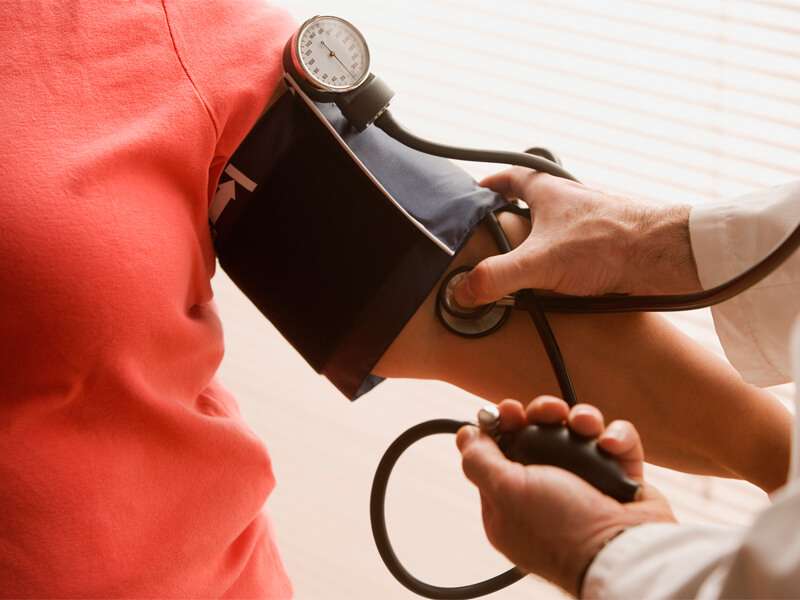
This metabolic disorder involves impaired insulin utilization leading to elevated blood glucose levels. Effective control limits long-term damage to organs such as kidneys and eyes.
- Causative Factors: Lifestyle factors including poor diet, sedentary habits, obesity alongside genetic predisposition contribute strongly.
- Detection Methods: Fasting plasma glucose tests or HbA1c measurements assist in confirming diagnosis.
- Treatment Regimen: Emphasis on dietary modifications, regular physical activity; oral hypoglycemic agents or insulin therapy when indicated.
- Lifelong Monitoring: Periodic assessment helps optimize glycemic control reducing risk of neuropathy, retinopathy, and cardiovascular disease.
A well-rounded approach combining medication adherence with lifestyle changes offers the best outcomes in managing this chronic illness.
ACUTE RESPIRATORY INFECTION CARE

Respiratory infections are among the most frequent illnesses encountered in general practice, ranging from mild colds to severe bronchitis or pneumonia. Prompt diagnosis helps prevent complications.
- Symptoms: Typical signs include cough, fever, sore throat, difficulty breathing, and nasal congestion.
- Diagnostic Approach: Physical examination complemented by chest X-rays or sputum tests if bacterial infection is suspected.
- Treatment: Supportive care with fluids and rest; antibiotics only if bacterial infection is confirmed; antiviral drugs in selected cases.
- Prognosis: Most patients recover fully with timely intervention; watch for worsening symptoms that require hospitalization.
An understanding of infection type guides effective treatment to minimize discomfort and prevent spread to others.
HYPERTENSION MANAGEMENT

High blood pressure is a common chronic condition that affects many adults worldwide. Proper management is essential to prevent serious complications such as heart disease and stroke.
- Causes and Symptoms: Often called the 'silent killer,' hypertension typically has no symptoms but can be influenced by genetics, diet, obesity, and stress.
- Diagnosis: Regular blood pressure monitoring using a sphygmomanometer during clinical visits helps detect elevated readings over time.
- Treatment Options: Lifestyle changes like reduced salt intake, regular exercise, and medications including ACE inhibitors or beta-blockers are commonly prescribed.
- Monitoring and Follow-up: Continuous tracking is vital to ensure treatment efficacy and adjust medications as necessary.
Early recognition and consistent management of high blood pressure significantly reduce risks of cardiovascular events and improve quality of life.