
Dr Thalia
About Me
Dr Thalia
MD
Sexologist
10 Years Experience
Biography
My Clinic
OPD Hours
| Monday | Morning | 10:00 AM | - | 02:00 PM |
| Evening | 06:00 PM | - | 09:00 PM | |
| Tuesday | Morning | 10:00 AM | - | 02:00 PM |
| Evening | 06:00 PM | - | 09:00 PM | |
| Wednesday | Morning | 10:00 AM | - | 02:00 PM |
| Evening | 06:00 PM | - | 09:00 PM | |
| Thursday | Morning | 10:00 AM | - | 02:00 PM |
| Evening | 06:00 PM | - | 09:00 PM | |
| Friday | Morning | 10:00 AM | - | 02:00 PM |
| Evening | 06:00 PM | - | 09:00 PM | |
| Saturday | Morning | 10:00 AM | - | 02:00 PM |
| Evening | 06:00 PM | - | 09:00 PM | |
| Sunday | Morning | 10:00 AM | - | 02:00 PM |
| Evening | 06:00 PM | - | 09:00 PM |
Treatments
Specialised care and treatments offered
RELATIONSHIP ISSUES

Navigating relationship issues can often lead couples into intricate emotional landscapes requiring attention beyond simple communication breakdowns; underlying sexual concerns frequently complicate matters further...
- Commonly observed symptoms include increased conflict around intimacy preferences accompanied by feelings of inadequacy relating directly back towards physical connection.....
- Key contributing causes may arise from mismatched desires stemming either from prior traumatic experiences dictating present behavior choices... < l i d iagnosis generally necessitates commitment towards open conversations fostering trust within partnerships allowing hidden concerns free expression ...
HORMONAL IMBALANCE
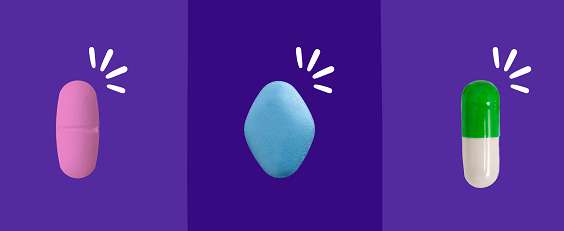
A hormonal imbalance affects many aspects of bodily function including mood regulation and reproductive health. These imbalances might present subtle yet impactful symptoms that should not be ignored over time...
- Presents through symptoms, which could include weight fluctuations, mood swings, decreased libido or irregular periods in women...
- Varied causative factors may involve age-related changes or external stressors affecting hormone production significantly..
- Diagnosis involves extensive blood tests alongside a thorough review of medical history ensuring all contributory factors are evaluated..
- Management strategies encompass lifestyle modifications focusing on nutrition and exercise combined with possible hormone replacement therapies depending on specific needs..
- Anticipate gradual normalization of hormones leading towards improved energy levels alongside enhanced mood states upon correctly targeted interventions..
Consulting experts helps streamline upheavals caused by imbalances thereby restoring balance back into lives!
SEXUALLY TRANSMITTED INFECTIONS (STIS)
Sexually transmitted infections (STIs) pose a significant public health concern, impacting both sexual health and general wellbeing. Many STIs remain asymptomatic initially yet still pose risks if left untreated.
- Main symptoms often include unusual discharge from genital areas or discomfort during urination; however, some STIs may not show signs until advanced stages develop.
- Underlying causes are primarily linked with unprotected sexual contact with infected individuals; thus awareness of partners' health status is crucial.
- Diagnosis often requires laboratory testing after presenting symptoms; screening is recommended even when asymptomatic due to potential serious complications.
- Treatment varies but commonly includes antibiotics for bacterial STIs while antiviral medications are prescribed for viral infections like herpes.
- With prompt diagnosis and adherence to treatment regimens, patients can manage symptoms effectively while preventing further spread of infections.
Proactive measures such as practicing safe sex remain key components in reducing STI rates among populations.
LIBIDO ISSUES
Libido issues refer to a diminished interest in sexual activity which can affect personal relationships profoundly. This condition might arise due to various factors ranging from hormonal alterations to stressors in daily life.
- A decrease in libido may manifest as little or no desire for sexual intimacy over an extended period of time.
- The causes are diverse—some may find hormonal changes related to aging significant while others face psychological barriers stemming from past experiences or relationship dynamics.
- A comprehensive diagnosis should involve extensive discussions about mental health, lifestyle habits, and any physiological changes that have occurred recently.
- Treatment options can include therapy, hormone treatments if necessary, and lifestyle adjustments aimed at enhancing overall well-being and reducing stress levels.
- Expect gradual improvement in interest level through targeted strategies designed specifically for individual circumstances.
Addressing libido issues is essential for rekindling intimacy in relationships; taking the first step by reaching out can lead to positive change.
PREMATURE EJACULATION
Premature ejaculation (PE) is a common disorder where ejaculation occurs sooner than desired during sexual activity. This condition can lead to distress for both partners in intimate relationships.
- Common symptoms include ejaculating within one minute of penetration or feeling unable to control ejaculation during sex.
- The causes may vary widely, including psychological factors such as anxiety or stress, along with biological components like hormonal imbalances.
- A thorough evaluation typically includes discussing sexual history and any underlying medical conditions that could contribute to the issue.
- Treatment approaches often consist of behavioral techniques, topical anesthetics, or medications that help delay ejaculation.
- With proper guidance and treatment, individuals can regain control over their sexual experiences and improve satisfaction for both partners.
It’s important to discuss PE openly with a specialist who understands the nuances of such intimate challenges.
ERECTILE DYSFUNCTION
Erectile dysfunction (ED) is a prevalent issue among men, affecting their ability to achieve or maintain an erection suitable for sexual intercourse. This condition can stem from various factors, including physical and psychological issues.
- Symptoms may include difficulty in achieving an erection or reduced sexual desire.
- Causes can be attributed to health conditions such as diabetes, heart disease, or psychological factors like anxiety and depression.
- Diagnosis typically involves a physical examination and medical history review, alongside potential lab tests to identify underlying health concerns.
- Treatment options range from lifestyle changes and counseling to medications such as PDE5 inhibitors, vacuum erection devices, or, in severe cases, surgical interventions.
- Patients can expect improvements in quality of life and relationships with effective management strategies.
Addressing erectile dysfunction is crucial for both emotional well-being and overall health; seeking help is the first step towards recovery.