
Dr Tanmay Srivastava
About Me
Dr Tanmay Srivastava
MD
Cardiologist
10 Years Experience
Biography
My Clinic
OPD Hours
| Monday | Morning | 10:00 AM | - | 02:00 PM |
| Evening | 06:00 PM | - | 09:00 PM | |
| Tuesday | Morning | 10:00 AM | - | 02:00 PM |
| Evening | 06:00 PM | - | 09:00 PM | |
| Wednesday | Morning | 10:00 AM | - | 02:00 PM |
| Evening | 06:00 PM | - | 09:00 PM | |
| Thursday | Morning | 10:00 AM | - | 02:00 PM |
| Evening | 06:00 PM | - | 09:00 PM | |
| Friday | Morning | 10:00 AM | - | 02:00 PM |
| Evening | 06:00 PM | - | 09:00 PM | |
| Saturday | Morning | 10:00 AM | - | 02:00 PM |
| Evening | 06:00 PM | - | 09:00 PM | |
| Sunday | Morning | 10:00 AM | - | 02:00 PM |
| Evening | 06:00 PM | - | 09:00 PM |
Treatments
Specialised care and treatments offered
LIFESTYLE MODIFICATION COUNSELING

Lifestyle modification counseling focuses on empowering individuals to make sustainable changes that positively affect their cardiometabolic health. This personalized support works towards reducing risks significantly associated with heart diseases.
- Reviewing Habits: Exploring current habits helps identify areas ripe for improvement including activity level , dietary preferences etc .
- Understanding Risks: Knowledge about how sedentary lifestyles or poor diets contribute disproportionately elevates motivation towards lasting positive change .
- Setting Goals: Inevitably beneficial goal setting fosters accountability while maximizing overall success rates .
- Continuous Improvement : Regular check-ins promote ongoing progress tracking enabling adaptive strategies along this journey towards enhanced wellness./
A commitment forged through lifestyle modifications undoubtedly uplifts both mind and body in the pursuit of optimal living!
ARRHYTHMIA DIAGNOSIS AND MONITORING
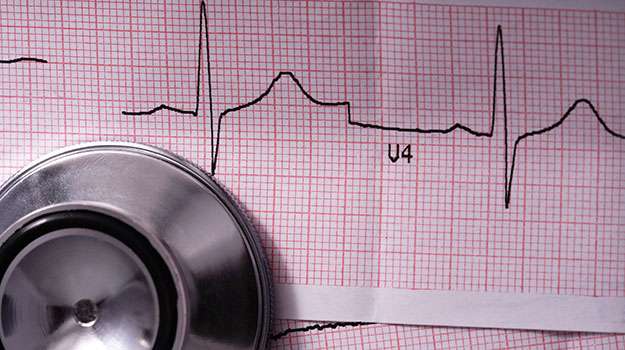
An arrhythmia refers to an irregular heartbeat that may feel like fluttering or a racing heart. Proper diagnosis is essential for effective management of this condition.
- Symptoms: Palpitations may be the only symptom but rarely can indicate more serious issues when present frequently.
- Causes: Factors include electrolyte imbalances, certain medications, or underlying cardiac conditions.
- Diagnosis: Electrocardiogram (ECG) tests reveal rhythm abnormalities during routine evaluations.
- Management: Depending on severity, lifestyle adaptations alongside medications may be recommended for stabilization.
- Follow-Up: Regular monitoring ensures early intervention if arrhythmia worsens or evolves into another form.
Consultations focused on arrhythmias open pathways toward restored rhythmic balance within your cardiac function!
STRESS MANAGEMENT TECHNIQUES
The connection between stress and heart health is well-established. Learning effective stress management techniques can play a significant role in preventing cardiovascular disease.
- Crisis Stressors: Lifelong stressors such as work pressure or personal challenges contribute to heightened blood pressure and heart strain.
HEART-HEALTHY DIET CONSULTATION
A heart-healthy diet plays a vital role in reducing the risk of heart disease. Integrating nutritious foods into your daily meals can support overall cardiovascular health.
- Catering to Symptoms: Many cardiovascular conditions improve with dietary changes alone.
- Nutritional Focus: Emphasizing fruits, vegetables, whole grains, and lean proteins aids in nutrient intake while lowering fat intake.
- Sneaky Causes: Processed foods and sugar-laden snacks can impact heart health negatively.
- Counseling Options: Individualized plans tailored by professionals ensure sustainable change in eating habits over time.
An investment in learning about food choices pays dividends in long-term heart health!
CHOLESTEROL MANAGEMENT
Managing cholesterol levels is crucial for maintaining heart health. High levels of LDL (bad cholesterol) can increase the risk of heart diseases.
- Symptoms: Typically asymptomatic; screenings are necessary for detection.
- Causes: Poor dietary choices and lack of physical activity contribute significantly to high cholesterol levels.
- Diagnosis: A simple blood test measures different cholesterol types.
- Treatment: Lifestyle changes including diet, exercise, and sometimes medication help lower cholesterol levels.
- What to expect: Regular testing will guide treatment adjustments as needed.
A proactive approach can greatly reduce your cardiovascular risk associated with high cholesterol.
HYPERTENSION MANAGEMENT
Hypertension, or high blood pressure, is a common condition that can lead to serious health issues if left unmanaged. It often has no symptoms, which is why regular monitoring is essential.
- Symptoms: Often asymptomatic; some may experience headaches or shortness of breath.
- Causes: Factors include poor diet, lack of exercise, and genetics.
- Diagnosis: Blood pressure readings taken at multiple visits confirm hypertension.
- Treatment: Lifestyle changes like diet modifications and medication are key to control.
- What to expect: Regular follow-ups will be needed to manage your condition effectively.
With proper management, you can lead a healthy life while keeping hypertension under control.