
Dr Syed Mohd Atiq
About Me
Dr Syed Mohd Atiq
MBBS
General Physician
10 Years Experience
Biography
My Clinic
OPD Hours
| Monday | Morning | 10:00 AM | - | 02:00 PM |
| Evening | 06:00 PM | - | 09:00 PM | |
| Tuesday | Morning | 10:00 AM | - | 02:00 PM |
| Evening | 06:00 PM | - | 09:00 PM | |
| Wednesday | Morning | 10:00 AM | - | 02:00 PM |
| Evening | 06:00 PM | - | 09:00 PM | |
| Thursday | Morning | 10:00 AM | - | 02:00 PM |
| Evening | 06:00 PM | - | 09:00 PM | |
| Friday | Morning | 10:00 AM | - | 02:00 PM |
| Evening | 06:00 PM | - | 09:00 PM | |
| Saturday | Morning | 10:00 AM | - | 02:00 PM |
| Evening | 06:00 PM | - | 09:00 PM | |
| Sunday | Morning | 10:00 AM | - | 02:00 PM |
| Evening | 06:00 PM | - | 09:00 PM |
Treatments
Specialised care and treatments offered
SEASONAL ALLERGY MANAGEMENT
Sensitivities to environmental allergens can trigger seasonal allergies causing nasal congestion, sneezing fits, itchy eyes,and general discomfort. Understanding triggers allows effective symptom relief strategies tailored per patient needs .
- Common allergy signs include runny nose , watery eyes , postnasal drip ,and occasional headache during pollen seasons .
- Diagnosis is primarily clinical supported by skin prick tests or specific IgE blood tests if necessary for confirmation .
- Treatment options range from non prescription antihistamines to nasal corticosteroids reducing inflammation ; allergen avoidance remains key whenever possible .
- Prognosis generally excellent with appropriate interventions allowing patients normal daily function without major disruption .
Overall , seasonal allergy management enhances quality of life by mitigating bothersome respiratory symptoms through targeted care plans .
NUTRITIONAL COUNSELING FOR ADULTS

Nutritional counseling focuses on guiding adults towards balanced diets that meet their individual health needs. Proper nutrition supports immune function, disease prevention, and overall vitality throughout life stages.
- The Main objectives: assessing dietary habits and identifying nutrient deficiencies or excesses impacting health outcomes such as weight gain or anemia.
- The Counseling process includes: personalized meal planning emphasizing fruits, vegetables, whole grains while limiting processed foods high in sugars and saturated fats.
- The User adherence considerations: practical tips help integrate healthy choices into daily routines sustainably without feeling restrictive or overwhelming .
- The Expected benefits : improved energy levels , better chronic disease control , enhanced mental clarity ,and weight management success .
Continual follow-up reinforces positive habits enabling long-lasting lifestyle improvements beyond standard diet fads.
RESPIRATORY INFECTION CARE

Acute respiratory infections affect the upper or lower respiratory tract causing symptoms like cough, sore throat, fever, and difficulty breathing. Timely care prevents progression to severe illness especially in vulnerable populations.
- Causative agents: viral (common cold viruses) or bacterial pathogens often trigger these infections.
- Diagnosis involves: clinical examination along with investigations such as chest X-rays or sputum testing when indicated to differentiate between viral and bacterial causes.
- Treatment strategies: supportive care including hydration and antipyretics for viral cases; antibiotics reserved for confirmed bacterial infections according to guidelines.
- Treatment outcomes: recovery time varies but proper management usually resolves symptoms within one to two weeks without complications.
Avoiding exposure to irritants along with good hygiene practices helps reduce infection risk significantly.
PREVENTIVE HEALTH CHECKUPS
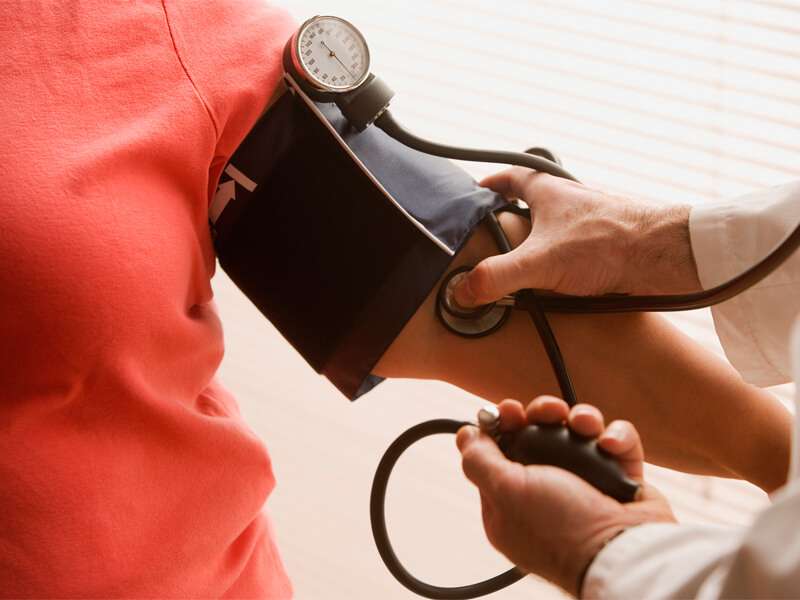
Regular health checkups are crucial in identifying potential health issues early before symptoms develop. These evaluations support overall well-being through comprehensive assessments tailored to individual risk profiles.
- Main components include: physical examination, vital sign measurement, basic laboratory tests like complete blood count and lipid profile.
- Importance of history taking: understanding personal and family medical history aids in determining specific screening needs such as cancer markers or cardiovascular risk assessment.
- Lifestyle counseling: advice on nutrition, exercise, smoking cessation, and stress management is provided during visits.
- Outcome expectations: early detection improves prognosis and reduces healthcare costs by minimizing advanced disease treatment requirements.
A scheduled preventive health evaluation ensures proactive steps are taken towards maintaining long-term health stability.
DIABETES SCREENING AND PREVENTION

Diabetes mellitus is a metabolic disorder characterized by high blood sugar levels. Screening helps identify individuals at risk before symptoms appear, enabling preventive measures.
- Risk factors include: family history, obesity, sedentary lifestyle, and age over 45 years.
- Screening methods: fasting blood glucose tests and HbA1c measurements are standard laboratory assessments used for diagnosis.
- Lifestyle interventions: diet modification focusing on low glycemic index foods and regular physical activity can delay or prevent diabetes onset.
- Treatment plan: For those diagnosed, management ranges from oral medications to insulin therapy depending on severity.
Timely screening combined with healthy habits plays an essential role in reducing diabetes prevalence and associated complications.
HYPERTENSION MANAGEMENT

High blood pressure is a common health condition that can lead to serious complications if left uncontrolled. Managing hypertension involves regular monitoring and lifestyle adjustments to maintain optimal blood pressure levels.
- Symptoms and causes: Often called a 'silent killer,' high blood pressure typically has no symptoms but may develop due to factors like obesity, high salt intake, stress, or genetics.
- Diagnosis: Blood pressure is measured using a sphygmomanometer during routine check-ups to detect elevated readings above 130/80 mmHg.
- Treatment options: Lifestyle changes such as reducing sodium, exercising regularly, and medications including ACE inhibitors or beta-blockers are commonly used.
- Management expectations: With consistent care, most individuals can successfully control their blood pressure and reduce the risk of heart disease or stroke.
Early detection and adherence to treatment regimens are critical in preventing long-term damage caused by hypertension.