
Dr Sweta Bagla
About Me
Dr Sweta Bagla
MBBS
General Physician
10 Years Experience
Biography
My Clinic
OPD Hours
| Monday | Morning | 10:00 AM | - | 02:00 PM |
| Evening | 06:00 PM | - | 09:00 PM | |
| Tuesday | Morning | 10:00 AM | - | 02:00 PM |
| Evening | 06:00 PM | - | 09:00 PM | |
| Wednesday | Morning | 10:00 AM | - | 02:00 PM |
| Evening | 06:00 PM | - | 09:00 PM | |
| Thursday | Morning | 10:00 AM | - | 02:00 PM |
| Evening | 06:00 PM | - | 09:00 PM | |
| Friday | Morning | 10:00 AM | - | 02:00 PM |
| Evening | 06:00 PM | - | 09:00 PM | |
| Saturday | Morning | 10:00 AM | - | 02:00 PM |
| Evening | 06:00 PM | - | 09:00 PM | |
| Sunday | Morning | 10:00 AM | - | 02:00 PM |
| Evening | 06:00 PM | - | 09:00 PM |
Treatments
Specialised care and treatments offered
OBESITY COUNSELING AND WEIGHT MANAGEMENT
Caring for healthy body weight plays a crucial role in preventing multiple medical conditions including diabetes and heart disease. Structured counseling helps individuals adopt sustainable lifestyle habits promoting balanced weight control.
- Understanding Obesity : Excess body fat accumulation results from caloric imbalance influenced by diet , activity level , genetics .
- Assessment Process : Body mass index ( BMI ) measurement along with waist circumference provide insight about obesity severity .
- Treatment Modalities : Customized nutrition plans combined with physical exercise form primary interventions ; pharmacological therapies considered selectively under supervision .
- Mental Health Aspect : Psychological support addresses emotional challenges associated with weight loss journey boosting motivation .
Sustained commitment towards guided weight management strategies effectively enhances quality of life while decreasing chronic illness risks linked to obesity over time.
ROUTINE HEALTH CHECK-UPS

A thorough periodic health evaluation allows early identification of potential medical issues before they worsen. Regular check-ups form an integral part of preventive healthcare strategy for all adults.
- Scope : This includes assessment of vital signs , laboratory investigations , screenings for chronic diseases like diabetes , hypertension , anemia , cancers , etc .
- Benefits : Detects risk factors early enabling timely interventions which improve long term prognosis .
- Frequency : Typically advised annually unless specific problems require more frequent follow up .
- Components : History taking , physical exam , relevant blood tests ( CBC , lipid profile ) , urine test , ECG when indicated .
Maintaining scheduled health evaluations establishes baseline status aiding doctors in tracking health dynamics effectively over years .
SEASONAL INFLUENZA VACCINATION

The flu vaccine provides important protection against seasonal influenza viruses that circulate annually. Immunization helps decrease illness severity and community spread.
- The Importance of Vaccination: Influenza infection can cause fever, cough, body aches; vaccination reduces the risk especially in vulnerable populations like elderly or chronically ill persons.
- Candidates for Vaccination: Adults including general population are recommended to receive yearly flu shots; healthcare providers emphasize timely administration before flu season peaks.
- Efficacy & Safety: The vaccine is generally safe with minimal side effects such as mild soreness; its effectiveness depends on matching circulating viral strains each season.
- Avoiding Complications: By preventing flu-related hospitalizations or secondary infections alike pneumonia, vaccination supports public health effort worldwide.
CHOLESTEROL MONITORING AND MANAGEMENT
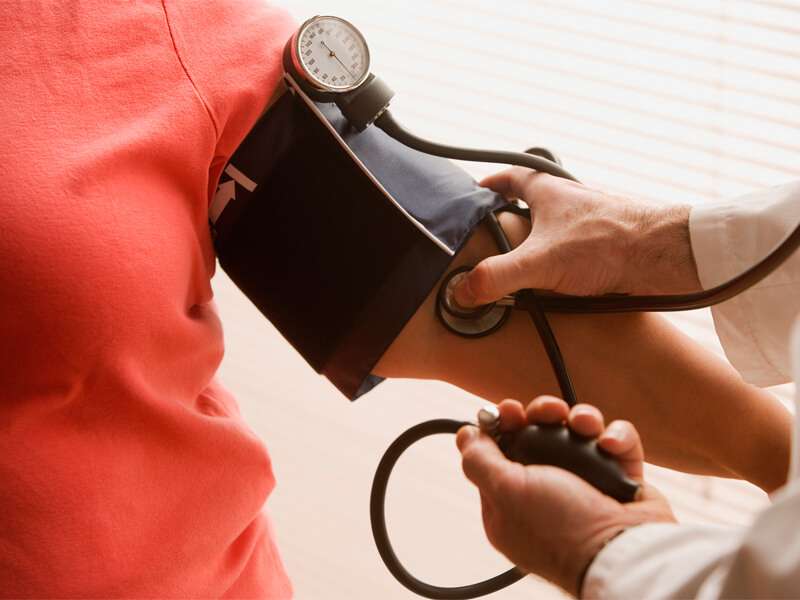
Lipid disorders often contribute to heart disease risk. Keeping cholesterol levels within a healthy range is essential for vascular health maintenance throughout life.
- Causes & Warnings: High cholesterol can stem from poor diet, lack of physical activity, genetics, or underlying conditions without overt symptoms initially.
- Diagnosis Tools: Lipid panel blood tests measure LDL (bad cholesterol), HDL (good cholesterol), total cholesterol, and triglycerides levels accurately.
- Treatment Approaches: Dietary improvements focusing on reducing saturated fats; increased physical activity; medications like statins if lifestyle changes alone are insufficient.
- Mental Outlook: With regular follow-up testing and adherence to recommendations, patients often achieve good lipid control protecting against atherosclerosis.
An informed patient actively involved in their cholesterol monitoring process can successfully lower cardiac risks over time through dedicated care.
DIABETES MELLITUS SCREENING AND CARE

Diabetes mellitus is a chronic metabolic disorder characterized by elevated blood glucose levels. Early detection through screening is vital for effective management and prevention of complications.
- Risk Factors & Symptoms: Increased thirst, frequent urination, unexplained weight loss, along with family history or obesity may indicate risk for diabetes.
- Diagnostic Methods: Blood tests such as fasting blood sugar or HbA1c provide accurate assessment of glucose control.
- Treatment Strategies: Includes lifestyle adjustments focusing on diet and exercise; oral hypoglycemics or insulin therapy when necessary.
- Long-Term Care: Proper disease management reduces the likelihood of neuropathy, nephropathy, and cardiovascular problems.
A comprehensive approach combining regular screening and personalized care promotes optimal outcomes for those affected by diabetes.
HYPERTENSION MANAGEMENT

High blood pressure, or hypertension, is a common health condition that can lead to serious complications if left untreated. Understanding and managing hypertension is crucial for maintaining overall cardiovascular health.
- Symptoms and Causes: Often called the "silent killer," hypertension may not show noticeable symptoms but can be caused by factors like genetics, obesity, stress, and high salt intake.
- Diagnosis: Regular blood pressure monitoring using a sphygmomanometer helps diagnose hypertension. Multiple readings over time confirm persistent elevation.
- Treatment Options: Lifestyle modifications such as dietary changes, exercise, weight management, along with medications like ACE inhibitors or beta-blockers are commonly employed.
- Management Expectations: Consistent monitoring and adherence to therapy typically help control blood pressure and reduce risks of stroke or heart disease.
By staying vigilant and proactive in treatment adherence, individuals with hypertension can lead healthy lives with minimized complications.