
Dr Sushil Gattani Clinic
About Me
Dr Sushil Gattani Clinic
MD
Cardiologist
10 Years Experience
Biography
My Clinic
OPD Hours
| Monday | Morning | 10:00 AM | - | 02:00 PM |
| Evening | 06:00 PM | - | 09:00 PM | |
| Tuesday | Morning | 10:00 AM | - | 02:00 PM |
| Evening | 06:00 PM | - | 09:00 PM | |
| Wednesday | Morning | 10:00 AM | - | 02:00 PM |
| Evening | 06:00 PM | - | 09:00 PM | |
| Thursday | Morning | 10:00 AM | - | 02:00 PM |
| Evening | 06:00 PM | - | 09:00 PM | |
| Friday | Morning | 10:00 AM | - | 02:00 PM |
| Evening | 06:00 PM | - | 09:00 PM | |
| Saturday | Morning | 10:00 AM | - | 02:00 PM |
| Evening | 06:00 PM | - | 09:00 PM | |
| Sunday | Morning | 10:00 AM | - | 02:00 PM |
| Evening | 06:00 PM | - | 09:00 PM |
Treatments
Specialised care and treatments offered
HEART ATTACK PREVENTION

The prevention of heart attacks involves addressing key modifiable risk factors that contribute substantially toward an individual’s vulnerability. Understanding these risks empowers you toward proactive management!
.- < l i >< s trong>S ymptoms : Your body might display signs like chest discomfort/excessive sweating during stressful situations - learning how they manifest could save lives!< / l i >< l i >< s trong>C auses : Poor dietary habits/persistent inactivity coupled with smoking represent core contributors facilitating events leading into acute cardiac episodes!< / l i >< l i >< s trong>D iagnostics : < l i >(T reatment Strategies:) : Cultural adjustments/medicinal interventions designed around identified profiles enable customized action plans reducing probabilities markedly overall long term impact needed positively enhancing outcomes quickly across varying demographics!< / l i >(W hat's Next?) : Maintaining consistent engagement post-initial identification processes solidifies foundational knowledge contributing toward sustained positive influences caring diligently afterward – weekly/monthly checkpoints help track meaningful developments achieved afterward systematically preserving best practices surrounding day-to-day living objectives leading onward success stories reflected visibly across communities enjoyably together primarily focusing whole-heartedly thereafter< / l i >
HEART HEALTH EDUCATION
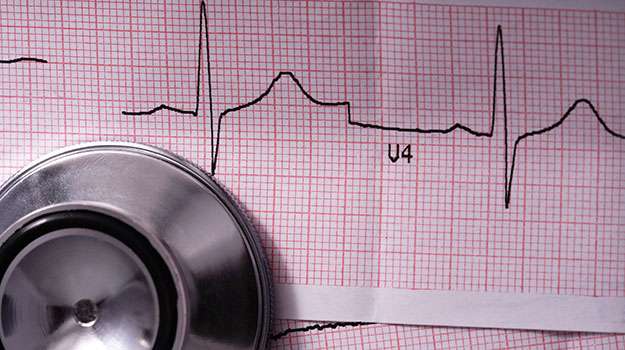
An informed patient makes better decisions regarding their cardiovascular health. Heart health education encompasses understanding risk factors along with preventive strategies against heart-related diseases
.- Key Awareness: Knowing personal risk factors such as heredity or lifestyle choices allows individuals to make informed decisions about their health.
- Healthy Living Tips: Maintaining a balanced diet rich in fruits/vegetables combined with regular exercise plays a huge role in preventing heart disease.
- Importance of Regular Check-Ups: Routine visits ensure timely screenings for conditions like hypertension/cholesterol abnormalities before they escalate into more serious issues.
- Educational Resources Available: Many educational pamphlets/classes outline steps towards improving overall wellness whilst targeting specific cardiac concerns particularly pertinent among high-risk populations.
- Continuous Learning Process: Staying updated about advancements within the field fosters empowered patients who feel educated on making decisions concerning their wellbeing moving forward through life’s journey past any existing concerns about their hearts
The road towards lasting heart health depends heavily on education regarding both traditional practices & new methods alike ensuring long-term success!
ATRIAL FIBRILLATION
Atrial fibrillation (AFib) is an irregular heartbeat that can lead to various complications if not managed correctly. Recognizing its signs can be critical for timely treatment and intervention
.- Symptoms: Palpitations or a racing heart rate may occur alongside fatigue or dizziness; some people may experience no symptoms at all.
- Causes: AFib may stem from underlying conditions such as hypertension or coronary artery disease but can also occur without any obvious cause.
- Diagnosis: An ECG is the primary method used by doctors to diagnose AFib by detecting irregular electrical activity in the heart.
- Treatment Approaches: Depending on severity; treatments range from medication that regulates heartbeat to catheter ablation procedures aimed at restoring normal rhythm.
- What Lies Ahead: With effective management strategies in place—a mix of lifestyle changes and medical therapies—patients can lead normal lives while minimizing risks associated with AFib.
Understanding AFib is key; prompt diagnosis can prevent serious complications over time.
CHOLESTEROL MANAGEMENT
Managing cholesterol levels is essential for maintaining cardiovascular health. Elevated cholesterol can lead to plaque buildup in arteries, increasing the risk of heart attacks and strokes.
- Symptoms: High cholesterol usually does not present obvious symptoms but can be identified through routine blood tests measuring LDL (bad) and HDL (good) cholesterol levels.
- Main Causes: Diet high in saturated fats, lack of physical activity, obesity, smoking habits, and genetic predispositions contribute significantly to elevated cholesterol levels.
- Diagnosis Methods: A lipid panel blood test is typically conducted as part of a routine physical examination to check cholesterol levels.
- Treatment Options: Lifestyle changes—such as better dietary choices and increased physical activity—are often recommended alongside medications like statins if necessary.
- Your Expectations: Lowering cholesterol takes time; follow-up testing will help monitor progress towards healthier levels for ongoing cardiac protection.
A collaborative approach involving regular monitoring will effectively manage your cholesterol over time.
HEART DISEASE SCREENING
Screening for heart disease is vital for early detection and prevention of cardiovascular issues. This proactive approach helps identify risk factors that can lead to serious conditions if left unaddressed.
- Symptoms: Often silent in the early stages; however, chest pain or discomfort may manifest during exertion in advanced cases.
- Risk Factors: High cholesterol levels, smoking, diabetes, family history of heart disease, and age increase susceptibility.
- Diagnostic Tests: Common tests include electrocardiograms (ECG), stress tests, and imaging studies like echocardiograms to assess heart function.
- Treatment Plans: Depending on findings, treatment may involve lifestyle modifications or medication to lower cholesterol and blood pressure.
- Your Path Forward: Regular screenings empower individuals to take control of their heart health and seek timely intervention when necessary.
This screening process plays a critical role in maintaining cardiovascular health over time.
HYPERTENSION
Hypertension, commonly referred to as high blood pressure, is a prevalent condition that can lead to significant health complications. It often has no noticeable symptoms, which is why regular screenings are crucial for early detection.
- Symptoms: Most individuals with hypertension experience no symptoms initially. However, some may experience headaches, shortness of breath, or nosebleeds in severe cases.
- Causes: Factors contributing to hypertension include obesity, sedentary lifestyle, high salt intake, excessive alcohol consumption, and genetics.
- Diagnosis: Blood pressure readings are taken using a sphygmomanometer during routine check-ups. Consistent readings above 130/80 mmHg indicate hypertension.
- Treatment options: Management may include lifestyle changes such as diet and exercise, along with medications like diuretics and ACE inhibitors.
- What to Expect: With proper management, individuals can maintain healthy blood pressure levels and reduce the risk of complications like heart disease and stroke.
Regular monitoring is essential for those diagnosed with this condition to ensure effective management and minimize health risks.