
Dr Sushil Chatur
About Me
Dr Sushil Chatur
MBBS
Dermatologist
10 Years Experience
Biography
My Clinic
OPD Hours
| Monday | Morning | 10:00 AM | - | 02:00 PM |
| Evening | 06:00 PM | - | 09:00 PM | |
| Tuesday | Morning | 10:00 AM | - | 02:00 PM |
| Evening | 06:00 PM | - | 09:00 PM | |
| Wednesday | Morning | 10:00 AM | - | 02:00 PM |
| Evening | 06:00 PM | - | 09:00 PM | |
| Thursday | Morning | 10:00 AM | - | 02:00 PM |
| Evening | 06:00 PM | - | 09:00 PM | |
| Friday | Morning | 10:00 AM | - | 02:00 PM |
| Evening | 06:00 PM | - | 09:00 PM | |
| Saturday | Morning | 10:00 AM | - | 02:00 PM |
| Evening | 06:00 PM | - | 09:00 PM | |
| Sunday | Morning | 10:00 AM | - | 02:00 PM |
| Evening | 06:00 PM | - | 09:00 PM |
Treatments
Specialised care and treatments offered
WART REMOVAL
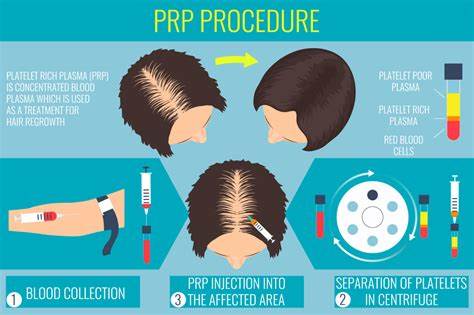
Warts are benign skin growths caused by human papillomavirus (HPV) infections commonly seen across all ages. They usually appear on hands, feet (plantar warts), fingers or other body parts subject to minor injuries facilitating viral entry.
- Identifying features include rough-textured papules that may vary from flesh-colored to brownish , sometimes painful especially plantar types during walking .
- Diagnosis relies mainly on characteristic visual signs although dermoscopy can assist confirmation .
- Treatment modalities vary : cryotherapy freezing wart tissue , salicylic acid topical applications , laser therapy , immunotherapy or surgical excision depending on wart type , size , location , persistence .
- Multiple sessions might be needed ; patience is vital since response times differ widely among individuals .
- Preventative measures include avoiding direct contact with warts to reduce spread risk plus maintaining good hygiene .
Although most warts resolve spontaneously eventually , medical intervention accelerates clearance reducing discomfort & transmission potential effectively .
VITILIGO
Vitiligo is a pigmentary disorder where loss of melanocytes causes white depigmented patches on the skin. It affects all age groups without gender preference and may have an autoimmune origin.
- The main symptom is well-defined milky white spots, often symmetrical involving hands, feet, face around mouth eyes etc., which gradually enlarge over time.
- A dermatologist diagnoses vitiligo based on clinical appearance supported occasionally by Wood's lamp examination highlighting depigmented areas more clearly under ultraviolet light.
- Treatment options include phototherapy (narrowband UVB), topical corticosteroids or calcineurin inhibitors aimed at repigmentation alongside cosmetic camouflage products if desired by patients.
- The course varies widely; some cases remain stable whereas others progress slowly so regular monitoring ensures timely therapeutic adjustments if necessary.
- Counseling about psychological impact forms part of holistic care since visible color changes may affect self-esteem significantly .
Though vitiligo lacks a definitive cure presently , modern interventions allow notable improvement allowing many patients better quality of life .
SEBORRHEIC DERMATITIS
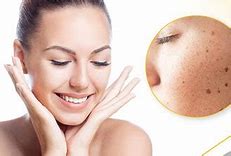
Seborrheic dermatitis is a frequently occurring inflammatory disorder primarily affecting areas rich in sebaceous glands such as the scalp, face, and chest. It manifests as greasy scales accompanied by redness.
- The disorder typically presents with dandruff-like flakes, itching scalp or facial erythema around the nose and eyebrows; severity varies among individuals.
- A clinical examination suffices for diagnosis due to its distinct presentation; fungal cultures are rarely required unless infection suspected.
- Treatment includes antifungal shampoos containing ketoconazole or selenium sulfide along with mild topical steroids during flares to reduce inflammation.
- Mild disease may respond well to regular cleansing routines while persistent cases need prolonged management strategies to prevent recurrence.
- This condition tends to be chronic but generally responds well once properly treated; maintenance therapy helps limit relapses effectively.
Caring for seborrheic dermatitis involves understanding triggers such as stress or weather changes followed by appropriate medicated skincare regimens tailored per individual needs.
ECZEMA (ATOPIC DERMATITIS)
Eczema is an inflammatory condition characterized by itchy, red, dry patches often seen in children but also affecting adults. It results from a combination of genetic and environmental factors impairing skin barrier function.
- The key features include: intense itching, redness, dryness, scaling lesions commonly on cheeks in infants or flexural areas in older individuals.
- A thorough clinical evaluation, including patient history and physical exam, aids diagnosis; allergy testing might be advised in some cases.
- Treatment focuses on restoring skin moisture using emollients alongside topical steroids or calcineurin inhibitors to reduce inflammation.
- Avoiding known irritants like harsh soaps or allergens supports symptom control and prevents flare-ups.
- Eczema symptoms often wax and wane; adherence to prescribed skincare routines improves long-term outcomes significantly.
This chronic condition requires individualized care strategies but can be successfully managed for enhanced comfort and skin health.
ACNE VULGARIS
Acne vulgaris is a common skin disorder primarily affecting adolescents but can persist into adulthood. It arises when hair follicles become clogged with oil and dead skin cells.
- The primary signs include pimples, blackheads, whiteheads, and sometimes painful cysts or nodules on the face, back, and chest.
- A clinical diagnosis is made by examining the characteristic lesions present on the skin.
- Treatment usually starts with topical agents such as benzoyl peroxide or retinoids; oral antibiotics or hormonal therapy might be needed for moderate to severe cases.
- Lifestyle modifications like gentle cleansing and avoiding oily cosmetics are important for management.
- The prognosis improves with consistent treatment, although some individuals may experience scarring without timely care.
A proper skincare routine combined with medical treatments helps control acne flare-ups effectively over time.
PSORIASIS
Psoriasis is a chronic autoimmune skin condition that speeds up the growth cycle of skin cells, causing thick, scaly patches. It can affect any age group and often appears on the scalp, elbows, knees, and lower back.
- Symptoms include red or pink patches covered with silvery-white scales, itching, and sometimes cracking or bleeding of the affected areas.
- Diagnosis is typically done through clinical examination; occasionally a skin biopsy may be conducted to confirm.
- Treatment options range from topical creams like corticosteroids to phototherapy and systemic medications in severe cases.
- Management involves maintaining skin hydration and avoiding known triggers such as stress or infections.
- Expect ongoing care, as psoriasis tends to have flare-ups and remissions over time requiring tailored treatment adjustments.
While there is no cure yet, effective treatments can significantly reduce symptoms and improve quality of life for those living with psoriasis.