
Dr Suresh Vijan
About Me
Dr Suresh Vijan
MD
Cardiologist
28 Years Experience
Biography
My Clinic
OPD Hours
| Monday | Morning | 09:00 AM | ||
| Evening | 09:00 PM | |||
| Tuesday | Morning | 09:00 AM | ||
| Evening | 09:00 PM |
Treatments
Specialised care and treatments offered
PERICARDITIS

- The primary symptoms {include-chest-pain-that-worsens-when-breathing-or-lying-down-similarly-fever-and-fatigue-are-common}
-
This condition-diagnosed-via-imaging-studies&lab-tests-to-assess-inflammation.
- An array-of-treatments-is available ranging-from-anti-inflammatory-drugs-to-systemic-corticosteroids depending-upon-severity-
>rivative care post-relief-from-acute-phases-focuses-on-preventing-recurrences-thus-facilitating-overall-health-enhancement¥>
CORONARY ARTERY DISEASE
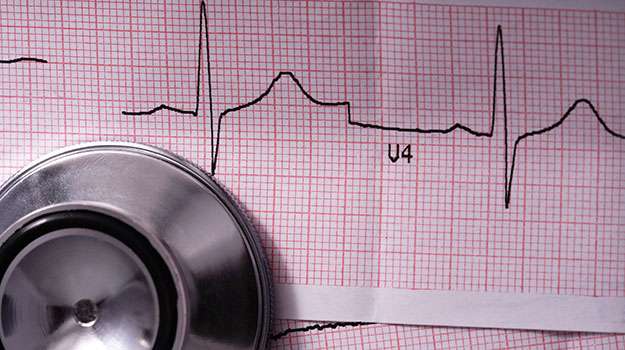
Coronary artery disease (CAD) occurs when plaque builds up in the coronary arteries narrowing their lumen. This condition reduces blood flow to the heart muscle which can lead to angina or even heart attacks if untreated over time.
HYPERTENSIVE EMERGENCY
A hypertensive emergency occurs when extremely high blood pressure leads to acute organ damage. This critical condition demands immediate medical attention to prevent serious complications such as stroke or kidney failure.
- Common symptoms can include severe headaches, visual disturbances, chest pain, or confusion due to affected organs
- Evaluation usually involves measuring blood pressure alongside assessments for organ function through laboratory tests or imaging techniques.
- Treatment often starts with intravenous medications aimed at rapidly lowering blood pressure while ensuring patient safety against complications from sudden drops in pressure.
Persistent monitoring post-treatment ensures effective management of hypertension long-term beyond the acute phase.
ATRIAL FIBRILLATION
Atrial fibrillation (AF) is an irregular heartbeat that can lead to various complications if not treated promptly. It can increase the risk of stroke and other heart-related issues due to its impact on effective blood circulation.
- The primary symptoms include palpitations, dizziness, fatigue, and occasional chest pain.
- Diagnosis typically involves an ECG along with monitoring devices to assess the rhythm over time.
- Treatment options may include anticoagulants for stroke prevention and medications or procedures aimed at restoring normal rhythm.
- Lifestyle modifications play a vital role in managing AF in conjunction with medical therapy.
A comprehensive approach ensures better control over atrial fibrillation and enhances overall cardiovascular health.
HEART FAILURE
Heart failure is a chronic condition where the heart is unable to pump blood effectively, leading to fatigue and fluid buildup. It can result from various heart conditions that weaken or stiffen the heart muscle.
- Main symptoms include breathlessness, fatigue during activities, and swelling in legs and ankles.
- Diagnosis involves medical history assessment, physical examination, and tests like echocardiography for evaluation of heart function.
- Treatment methods range from lifestyle alterations and medications to more advanced therapies such as implantable devices or surgery.
- Management focuses on controlling symptoms and improving quality of life through regular monitoring.
Evolving treatment strategies aim to help patients continue their daily activities while managing the condition effectively.
ACUTE MYOCARDIAL INFARCTION
Acute myocardial infarction, commonly known as a heart attack, occurs when blood flow to a part of the heart is blocked, leading to damage or death of heart muscle. Immediate attention is crucial to minimize heart damage and enhance survival chances.
- Symptoms include chest pain, shortness of breath, sweating, and nausea.
- Diagnosis often involves an ECG, blood tests for cardiac enzymes, and imaging studies such as echocardiograms.
- Treatment may involve medications like aspirin and thrombolytics, along with procedures such as angioplasty or surgery.
- Post-event management includes lifestyle changes and medication to prevent future episodes.
- The recovery process varies but usually requires follow-up care and rehabilitation.
Timely intervention can significantly improve outcomes in cases of acute myocardial infarction.