
Dr Suresh Saigal
About Me
Dr Suresh Saigal
MS
Orthopaedic Surgeons
10 Years Experience
Biography
My Clinic
OPD Hours
| Monday | Morning | 10:00 AM | - | 02:00 PM |
| Evening | 06:00 PM | - | 09:00 PM | |
| Tuesday | Morning | 10:00 AM | - | 02:00 PM |
| Evening | 06:00 PM | - | 09:00 PM | |
| Wednesday | Morning | 10:00 AM | - | 02:00 PM |
| Evening | 06:00 PM | - | 09:00 PM | |
| Thursday | Morning | 10:00 AM | - | 02:00 PM |
| Evening | 06:00 PM | - | 09:00 PM | |
| Friday | Morning | 10:00 AM | - | 02:00 PM |
| Evening | 06:00 PM | - | 09:00 PM | |
| Saturday | Morning | 10:00 AM | - | 02:00 PM |
| Evening | 06:00 PM | - | 09:00 PM | |
| Sunday | Morning | 10:00 AM | - | 02:00 PM |
| Evening | 06:00 PM | - | 09:00 PM |
Treatments
Specialised care and treatments offered
SPINAL DISC HERNIATION
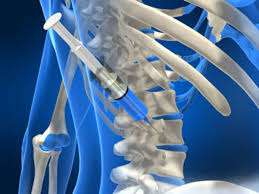
A spinal disc herniation occurs when an intervertebral disc slips out of place causing pressure on surrounding nerves. This condition can lead to debilitating pain which radiates down limbs depending on its location along the spine.
- Common symptoms include localized back pain alongside shooting pains radiating down legs (sciatica), numbness , muscle weakness .
- < Diagnosis entails comprehensive evaluations coupled with imaging techniques ensuring targeted analysis determining extent involved nerves impacted .
- < Treatment ranges widely from conservative management methods focusing primarily on administering pain relief via medications , physical therapies addressing flexibility targeting core strength & posture enhancement protocols . Surgical options present themselves should conservative approaches persistently fail offering nuanced insights into reliving discomfort through spinal decompression strategies alleviating nerve pressure directly .
Early intervention remains pivotal improving effectiveness rehabilitation transitioning paths leading ultimately restored functionality overall satisfaction derived from improved overall wellness experienced following successful treatments implemented promptly .
ROTATOR CUFF TEARS

A rotator cuff tear refers to damage occurring within the group of muscles and tendons stabilizing your shoulder. Such tears often limit arm movement and cause significant discomfort. They are commonly caused by repetitive overhead activities or acute injuries affecting shoulder functionality.
- Sufferers commonly exhibit pain during lifting activities as well as decreased range of motion alongside possible weakness in arm elevation tasks.
- A thorough evaluation through physical examinations along with imaging tests like MRI helps confirm these tears accurately.
- Treatment ranges from conservative approaches aiming at reducing inflammation including rest , ice application , prescribed exercises , anti-inflammatory medications. In more critical instances , surgeries may be explored for tear repairs .
- Rehabilitation plays a key role once initial treatments are underway helping restore strength .
Proactive management yields better outcomes allowing individuals regain lost range efficiently .
TENDON INJURIES

Tendon injuries occur when tendons become overstretched or torn due to sudden movements or repetitive strain. These injuries can affect any area but are frequently observed in athletes or those engaging in physically demanding jobs.
- Signs often include sharp pain during movement, tenderness at the injury site, swelling around joints, and reduced mobility of affected areas.
- The diagnosis typically involves clinical assessments combined with ultrasound or MRI imaging for detailed evaluation of tendon integrity.
- Treatments may vary from rest and ice application to more extensive options such as physical therapy aimed at restoring function or even surgical repair for severe cases where conservative measures fail.
Early recognition and timely intervention are crucial in managing tendon injuries effectively to prevent chronic issues later on.
FRACTURE MANAGEMENT

A fracture occurs when there is a break in a bone due to trauma or overuse. This condition requires immediate attention to prevent complications and promote optimal healing. The severity of fractures can vary greatly depending on the type and location of injury.
- Common signs include intense pain at the site of injury, swelling, bruising around the area, and inability to move or use the affected limb normally.
- An accurate diagnosis often involves physical examinations alongside imaging techniques such as X-rays or CT scans for complex breaks.
- Treatment includes immobilization through casts or braces; more serious fractures might necessitate surgical intervention for realignment or stabilization using pins or plates.
- Rehabilitation is essential post-treatment to regain strength and functionality; physical therapy plays a key role in recovery.
Prompt treatment ensures better healing outcomes for fractures while minimizing long-term complications associated with improper care.
CARPAL TUNNEL SYNDROME

This condition arises from compression of the median nerve in the wrist, resulting in various uncomfortable symptoms. Commonly seen in those who perform repetitive hand movements, it can significantly affect daily activities if left untreated.
- Typical symptoms include numbness, tingling sensations in fingers, and weakness in the hand.
- A thorough assessment involving clinical evaluation and nerve conduction studies helps confirm the diagnosis.
- Treatment generally starts with non-invasive methods like splinting and anti-inflammatory medications; however, corticosteroid injections are also an option if necessary.
- If conservative measures fail, surgery may be recommended to relieve pressure on the median nerve.
- Timely intervention can lead to a positive prognosis; early detection is vital for better outcomes.
Managing carpal tunnel syndrome effectively can restore function and alleviate discomfort in patients' hands.
OSTEOARTHRITIS

Osteoarthritis is a common degenerative joint disease that affects millions worldwide, often leading to pain and stiffness. It typically occurs when the protective cartilage that cushions the ends of the bones wears down over time.
- Symptoms include joint pain, swelling, and decreased range of motion, often worsening with activity.
- Diagnosis usually involves physical examinations, imaging tests like X-rays or MRIs, and reviewing patient history.
- Treatment options focus on managing symptoms and may include physical therapy, medications for pain relief, and lifestyle modifications such as weight management.
- In severe cases, surgical interventions like joint replacement may be considered.
- Patients can expect gradual improvement with consistent treatment plans tailored to their needs.
It’s crucial to address osteoarthritis early to maintain mobility and quality of life.