
Dr Suraj Singh Pa
About Me
Dr Suraj Singh Pa
MBBS
General Physician
10 Years Experience
Biography
My Clinic
OPD Hours
| Monday | Morning | 10:00 AM | - | 02:00 PM |
| Evening | 06:00 PM | - | 09:00 PM | |
| Tuesday | Morning | 10:00 AM | - | 02:00 PM |
| Evening | 06:00 PM | - | 09:00 PM | |
| Wednesday | Morning | 10:00 AM | - | 02:00 PM |
| Evening | 06:00 PM | - | 09:00 PM | |
| Thursday | Morning | 10:00 AM | - | 02:00 PM |
| Evening | 06:00 PM | - | 09:00 PM | |
| Friday | Morning | 10:00 AM | - | 02:00 PM |
| Evening | 06:00 PM | - | 09:00 PM | |
| Saturday | Morning | 10:00 AM | - | 02:00 PM |
| Evening | 06:00 PM | - | 09:00 PM | |
| Sunday | Morning | 10:00 AM | - | 02:00 PM |
| Evening | 06:00 PM | - | 09:00 PM |
Treatments
Specialised care and treatments offered
ACUTE UPPER RESPIRATORY TRACT INFECTION (URTI) CARE
The acute upper respiratory tract infection commonly affects the nasal cavity, pharynx, and larynx causing discomfort primarily due to viral invasion. While mostly self-limiting, proper care facilitates faster recovery preventing complications especially in vulnerable individuals.
ANEMIA INVESTIGATION

Anemia arises from decreased red blood cell count or hemoglobin concentration leading to reduced oxygen delivery throughout the body. Identifying its cause is vital for treatment success.
- Syndrome Features:
CHRONIC OBSTRUCTIVE PULMONARY DISEASE (COPD) SCREENING
COPD is a progressive lung disease that impairs breathing capacity over time. Early detection can slow progression and improve quality of life.
- Epidemiology & Symptoms: Chronic cough, breathlessness, especially in smokers or exposure to pollutants are common warning signs.
- Pulmonary Function Tests (PFTs): Spirometry measures airflow obstruction confirming diagnosis and severity assessment.
- Treatment Modalities: Smoking cessation, bronchodilators, corticosteroids alongside pulmonary rehabilitation form core management practices.
- Disease Monitoring: Regular clinical reviews detect exacerbations early to prevent hospitalizations and complications.
A strategic approach involving lifestyle changes and medical care helps manage COPD effectively when identified promptly.
THYROID FUNCTION TESTING
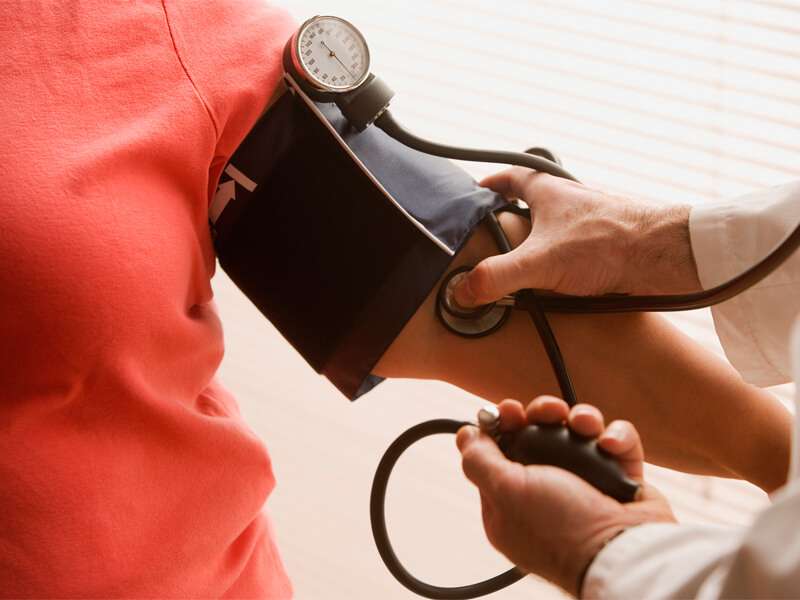
The thyroid gland influences many bodily functions through hormone secretion. Dysfunction can cause significant health disturbances requiring evaluation.
- Causative Factors & Signs: Fatigue, weight changes, temperature intolerance may indicate hypo- or hyperthyroidism.
- Laboratory Assessments: Blood tests measuring TSH, free T3 and T4 hormones establish thyroid status accurately.
- Treatment Options: Depending on the type of dysfunction, hormone replacement or anti-thyroid medications are used under monitoring.
- Follow-up Importance: Periodic testing ensures stable hormone levels and symptom control over time.
A timely thyroid evaluation helps in restoring metabolic balance and alleviating related symptoms effectively.
DIABETES MELLITUS EVALUATION

Diabetes mellitus is a metabolic disorder characterized by elevated blood sugar levels over prolonged periods. Early recognition improves outcomes significantly.
- Symptoms & Causes: Excessive thirst, frequent urination, unexplained weight loss; results from insulin deficiency or resistance.
- Diagnostic Tests: Blood glucose tests such as fasting plasma glucose, HbA1c measurement for average control assessments.
- Treatment Strategies: Dietary adjustments, regular physical activity, oral hypoglycemics or insulin therapy depending on severity.
- Complication Prevention: Regular screening for eye, kidney, and nerve involvement is advised to avoid long-term damage.
A comprehensive approach combining lifestyle and medical interventions effectively controls diabetes and enhances quality of life.
HYPERTENSION MANAGEMENT

High blood pressure, or hypertension, is a common condition that can lead to serious complications if untreated. Understanding its implications is crucial for maintaining long-term health.
- Causes & Symptoms: Often called the 'silent killer', it may cause headaches or dizziness but frequently has no symptoms.
- Diagnosis: Regular blood pressure readings using a cuff and monitoring over time confirm diagnosis.
- Treatment: Lifestyle modifications including diet and exercise, along with prescribed medications, help control levels.
- Monitoring: Continuous follow-up is essential to prevent heart disease or strokes.
Proactive management of blood pressure fosters better cardiovascular health and reduces risks associated with untreated hypertension.