
Dr Suraj Mehrotra
About Me
Dr Suraj Mehrotra
MBBS
General Physician
10 Years Experience
Biography
My Clinic
OPD Hours
| Monday | Morning | 10:00 AM | - | 02:00 PM |
| Evening | 06:00 PM | - | 09:00 PM | |
| Tuesday | Morning | 10:00 AM | - | 02:00 PM |
| Evening | 06:00 PM | - | 09:00 PM | |
| Wednesday | Morning | 10:00 AM | - | 02:00 PM |
| Evening | 06:00 PM | - | 09:00 PM | |
| Thursday | Morning | 10:00 AM | - | 02:00 PM |
| Evening | 06:00 PM | - | 09:00 PM | |
| Friday | Morning | 10:00 AM | - | 02:00 PM |
| Evening | 06:00 PM | - | 09:00 PM | |
| Saturday | Morning | 10:00 AM | - | 02:00 PM |
| Evening | 06:00 PM | - | 09:00 PM | |
| Sunday | Morning | 10:00 AM | - | 02:00 PM |
| Evening | 06:00 PM | - | 09:00 PM |
Treatments
Specialised care and treatments offered
VACCINATION UPDATES
The significance of vaccinations cannot be overstated in protecting against various infectious diseases throughout life stages. Staying updated on vaccines ensures optimal immunity at different ages
.- . . Pneumonia & Flu Vaccines: Recommended for older adults & those at higher risk due! Young ones should receive all childhood vaccinations routinely!. .. .Disease Prevention: Vaccines prevent outbreaks by fostering communal immunity protecting even those who cannot get vaccinated themselves!. .. .
RESPIRATORY FUNCTION TESTING

The evaluation of respiratory function involves assessing how well your lungs are working. This process is vital for diagnosing conditions such as asthma or chronic obstructive pulmonary disease (COPD).
- Symptoms: Shortness of breath during exertion or persistent cough typically prompt these evaluations.
- Causes: Environmental factors like pollution along with smoking significantly contribute to weakened lung capacity over time.
- Diagnosis: Pulmonary function tests measure lung volumes and flow rates providing insight into respiratory efficiency when performed under supervision.
- Treatment: Depending upon the findings from evaluations education about managing underlying issues coupled with medications would follow if indicated.
- What To Expect: Most results are available promptly enabling timely decisions regarding any necessary interventions aimed at improving pulmonary health overall!
Your willingness to participate actively enhances personal respiratory wellness while reducing future risks associated with lung-related disorders through diligence now!
ANNUAL HEALTH CHECK-UPS
An annual health check-up serves as a preventative measure that enables early identification of potential health issues before they become severe. Regular assessments support long-term wellbeing by promoting awareness about your current health status.
- Purpose:This yearly assessment monitors key indicators like weight, blood pressure, cholesterol levels, etc., essential for preventive care strategies.
- Symptoms: Most check-ups occur symptomatically; however routine visits can catch asymptomatic conditions early on.
- Diagnosis: Comprehensive examinations include family history reviews alongside diagnostic tests tailored based on individual risk factors.
- Treatment: Results from check-ups guide recommendations regarding lifestyle changes or further testing if abnormalities arise.
- What to expect: Proactive engagement through these visits fosters accountability toward personal healthcare goals moving forward.
Prioritizing regular screenings can greatly enhance your quality of life while preventing unforeseen medical challenges later on.
CHOLESTEROL MANAGEMENT
Cholesterol management is a key factor in maintaining cardiovascular health. High cholesterol levels can lead to plaque buildup in arteries, increasing the risk of heart attacks and strokes.
- Symptoms: High cholesterol typically does not present symptoms; hence regular testing is crucial for early detection.
- Causes: Factors contributing to elevated cholesterol include poor diet high in saturated fats, lack of physical activity, obesity, and genetic influences.
- Diagnosis: A simple blood test measures cholesterol levels—total cholesterol along with LDL (bad cholesterol) and HDL (good cholesterol).
- Treatment:A multifaceted approach combining lifestyle modifications—such as improved diet and exercise—alongside medications if needed helps manage cholesterol levels effectively.
- What to expect: Commitment to ongoing management will significantly reduce cardiovascular risks over time.
Taking charge of your cholesterol through knowledge empowers you towards better heart health.
DIABETES SCREENING

Early detection of diabetes is essential in preventing serious health complications. Regular screenings help identify blood sugar levels that indicate prediabetes or diabetes.
- Symptoms: Diabetes can manifest through increased thirst, frequent urination, extreme fatigue, and blurred vision.
- Causes: Factors such as genetic predisposition, obesity, and sedentary lifestyle increase the risk for developing diabetes.
- Diagnosis: Blood tests measuring glucose levels inform whether an individual has normal levels or falls into the prediabetic or diabetic category.
- Treatment: Lifestyle adjustments such as a balanced diet and regular physical activity are vital; insulin therapy might be necessary for some individuals.
- What to expect: With appropriate intervention and lifestyle changes, managing diabetes effectively becomes feasible for many people.
Simplifying monitoring efforts can empower those at risk or diagnosed with diabetes to lead healthier lives.
HYPERTENSION MANAGEMENT
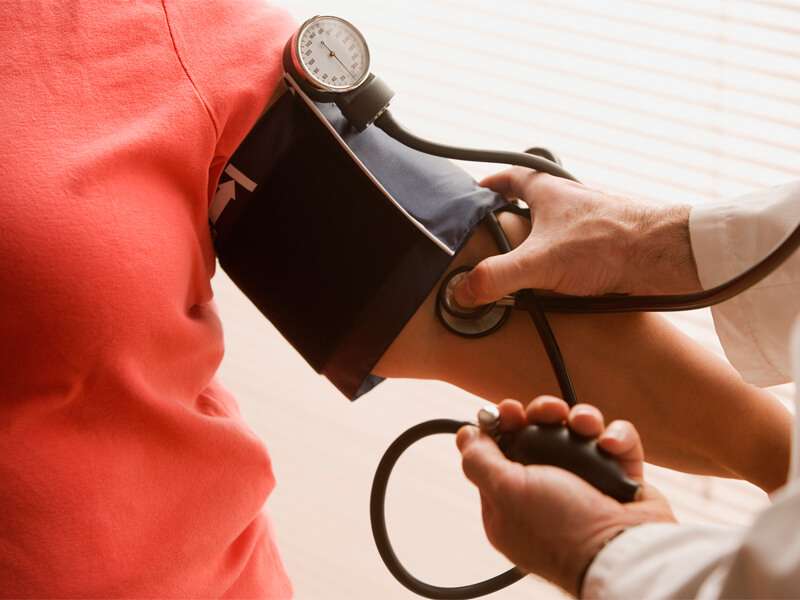
Hypertension, or high blood pressure, often develops over many years and can lead to serious health problems such as heart disease and stroke. It is crucial to keep your blood pressure levels within a normal range to maintain overall health.
- Symptoms: Many individuals may not experience noticeable symptoms; however, headaches, shortness of breath, and nosebleeds can occur occasionally.
- Causes: Various factors contribute to hypertension, including genetics, high salt diets, physical inactivity, and obesity.
- Diagnosis: Sustained high readings on multiple occasions during routine check-ups may lead to a diagnosis of hypertension.
- Treatment: Management options include lifestyle changes such as dietary improvements and regular exercise, alongside medications when necessary.
- What to expect: Regular monitoring of blood pressure is important; achieving stable levels may take time but is achievable with commitment.
Your proactive approach can effectively control hypertension and reduce risks associated with it.