
Dr Sunil samdhan
About Me
Dr Sunil samdhan
MBBS
General Physician
Biography
My Clinic
OPD Hours
| Monday | Morning | 10:00 AM | - | 02:00 PM |
| Evening | 06:00 PM | - | 09:00 PM | |
| Tuesday | Morning | 10:00 AM | - | 02:00 PM |
| Evening | 06:00 PM | - | 09:00 PM | |
| Wednesday | Morning | 10:00 AM | - | 02:00 PM |
| Evening | 06:00 PM | - | 09:00 PM | |
| Thursday | Morning | 10:00 AM | - | 02:00 PM |
| Evening | 06:00 PM | - | 09:00 PM | |
| Friday | Morning | 10:00 AM | - | 02:00 PM |
| Evening | 06:00 PM | - | 09:00 PM | |
| Saturday | Morning | 10:00 AM | - | 02:00 PM |
| Evening | 06:00 PM | - | 09:00 PM | |
| Sunday | Morning | 10:00 AM | - | 02:00 PM |
| Evening | 06:00 PM | - | 09:00 PM |
Treatments
Specialised care and treatments offered
HEART DISEASE RISK ASSESSMENT

The risk assessment for heart disease evaluates factors contributing to cardiovascular conditions like coronary artery disease. Identifying these risks early on aids in preventive healthcare strategies tailored individually based on unique determinants present within patients' lives.
- Common risk factors include but aren’t limited strictly: age; gender; family history; smoking habits; poor diet etc .
- Healthcare providers usually perform physical examinations alongside laboratory tests measuring cholesterol levels , glucose tolerance respectively identifying potential threats
- Management entails lifestyle alterations focusing primarily upon nutrition , exercise , stress reduction along prescription drug adherence where necessary
- Understanding personal risk empowers patients enriching their decision-making towards healthier choices safeguarding cardiovascular wellness
Proactive measures taken contribute significantly enhancing overall longevity promoting better heart health outcomes !
GASTROINTESTINAL DISORDERS

Gastrointestinal disorders encompass various conditions impacting digestive health. They include irritable bowel syndrome (IBS), inflammatory bowel disease (IBD), acid reflux disease among others which necessitate comprehensive evaluation by health professionals.
- Sufferers commonly report symptoms like abdominal pain, bloating, diarrhea or constipation that disrupt daily functioning significantly
- A thorough history-taking combined with diagnostic tests such as endoscopy helps establish precise diagnoses tailored to each individual’s situation
- Treatment regimens might consist of dietary modifications coupled with pharmacological interventions aimed at alleviating distressing symptoms
- Regular follow-ups are recommended ensuring effective long-term management while adjusting treatments as needed
Taking proactive measures enhances quality of life for those dealing with gastrointestinal issues involving routine evaluations.
ANEMIA

Anemia is a condition wherein there is a deficiency in red blood cells or hemoglobin in the bloodstream. This reduction can result in inadequate oxygen delivery throughout the body’s tissues.
- Main symptoms include fatigue, weakness, pale skin color, shortness of breath during exertion, or irregular heartbeat
- A diagnosis typically involves complete blood count tests (CBC) to evaluate hemoglobin levels alongside additional iron studies if iron deficiency is suspected
- Treatment can vary from dietary adjustments rich in iron-rich foods to supplementation or other therapies targeting underlying causes of anemia
- If not addressed timely it may give rise to serious complications affecting overall health
Efficacious treatment ensures recovery from anemia allowing patients to regain energy levels quickly.
RESPIRATORY INFECTIONS
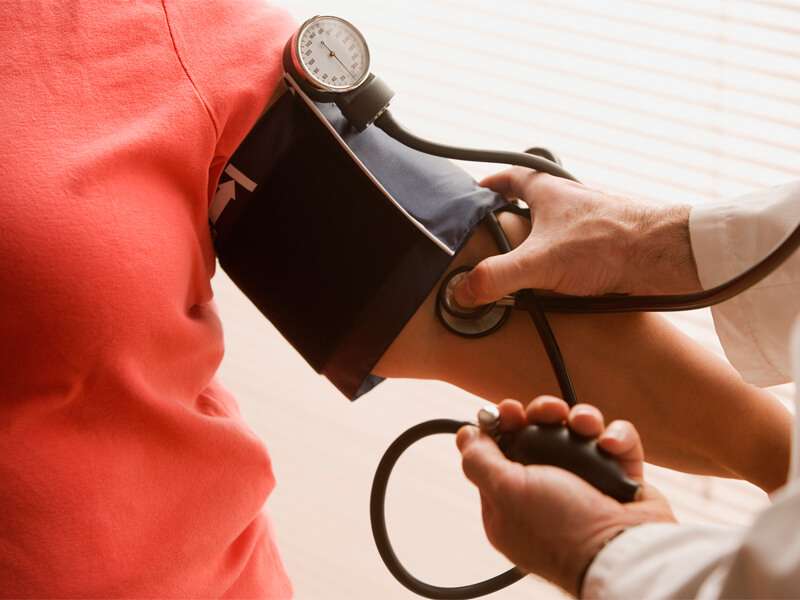
Respiratory infections encompass a range of illnesses affecting the airways and lungs. They can be caused by viruses or bacteria and vary from mild colds to severe pneumonia.
- The symptoms often include cough, fever, sore throat, chest discomfort, and difficulty breathing depending on the severity of the infection.
- A healthcare provider diagnoses these infections through clinical evaluation and may recommend imaging tests like X-rays or sputum analysis in severe cases.
- Treatment may consist of supportive care such as hydration and rest for mild cases while antibiotic therapy is prescribed for bacterial infections.
- Pneumonia vaccinations can be an effective preventive measure for at-risk populations to avoid serious complications associated with respiratory infections.
Prompt medical attention during the onset of respiratory symptoms leads to better outcomes for patients affected by these conditions.
DIABETES MELLITUS

Diabetes mellitus is a chronic health condition characterized by elevated blood sugar levels. There are different types of diabetes, including Type 1 and Type 2, each requiring distinct management approaches.
- Common symptoms include excessive thirst, frequent urination, fatigue, and blurred vision.
- Diagnosis is usually made through fasting blood sugar tests or HbA1c tests conducted in a clinical setting.
- Treatment options involve lifestyle modifications such as diet changes and exercise along with medication or insulin therapy for managing blood glucose levels effectively.
- Patients should have regular check-ups to monitor their diabetes control and prevent complications associated with the disease.
- Educating oneself about diabetes management is vital to living well with this condition.
With appropriate care strategies in place, individuals living with diabetes can maintain good health.
HYPERTENSION

Hypertension, also known as high blood pressure, is a common condition that can lead to serious health issues if left untreated. It often develops over many years and may not present noticeable symptoms, making regular screening crucial.
- The primary symptoms are usually absent; however, some individuals may experience headaches, dizziness, or nosebleeds.
- Diagnosis typically involves measuring blood pressure with a sphygmomanometer during routine check-ups.
- Management includes lifestyle changes such as increased physical activity, dietary adjustments, and medications like diuretics or beta-blockers.
- Regular follow-up appointments are important for monitoring blood pressure levels and adjusting treatment plans as necessary.
- It is essential to understand that hypertension can raise the risk of heart disease, stroke, and kidney failure.
With proper management and regular check-ups, individuals with hypertension can lead healthy lives.